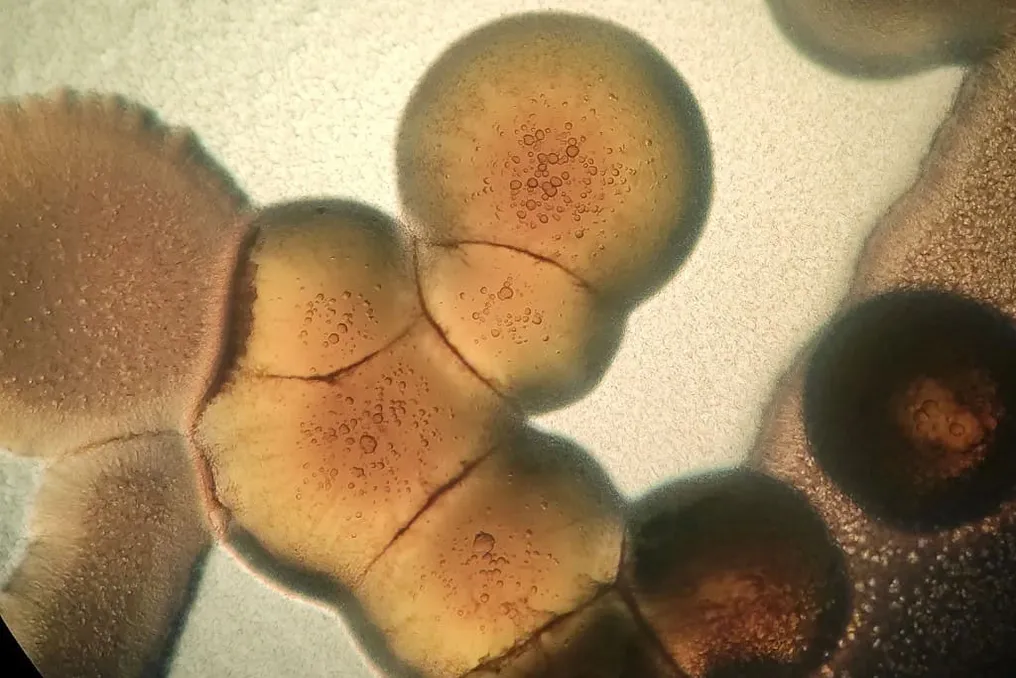
Consumers who purchased canned Mamba Water mineral water should check the packaging information before consuming it. Anvisa ordered the recall of two specific batches after identifying the bacterium Pseudomonas aeruginosa during quality tests.
Consumers who purchased canned Mamba Water mineral water should check the packaging information before consuming it. Anvisa ordered the recall of two specific batches after identifying the bacterium Pseudomonas aeruginosa during quality tests.
The National Health Surveillance Agency (Anvisa) published the decision in the Official Gazette of the Union this Thursday (16), establishing the voluntary recall of the affected items. Furthermore, the agency suspended the distribution, commercialization, and use of the involved packages until the manufacturer implements the necessary actions.
HNK BR Indústria de Bebidas Ltda. notified Anvisa after identifying the bacterium in its routine analyses. The products subject to recall are: Mamba Water Unflavored Mineral Water, in 350 ml cans, belonging to Batches 13 (manufactured on April 3, 2026, valid until April 3, 2027) and Batch 14 (manufactured on April 4, 2026, valid until April 4, 2027). Consumers are advised not to use the packages from these batches, although the Anvisa resolution did not report any affected individuals.
This incident with Mamba Water represents the third recent case of Pseudomonas aeruginosa occurrence in the country. In April, the microorganism was detected in over 100 batches of Ypê products. Subsequently, in June, the same bacterium led to the recall of a batch of Crystal mineral water.
Pseudomonas aeruginosa is classified as an opportunistic bacterium. Although the risk is generally low for healthy individuals, it can cause infections in people with compromised immune systems. Groups requiring greater vigilance include the elderly, children, cancer patients, transplant recipients, and individuals with uncontrolled HIV or those taking immunosuppressive drugs. In these cases, the bacterium has the potential to affect organs such as the lungs, urinary tract, skin, and bloodstream.
Brazilian sanitary legislation prohibits the presence of Pseudomonas aeruginosa in any water intended for human consumption. Consequently, when the microorganism is found in control tests, the products must be immediately removed from circulation. The measure was taken after the manufacturer's voluntary communication to the agency, and Anvisa also pointed out the non-compliance with sanitary standards related to mineral water quality, determining the necessary control measures.
Consumers are advised to check the batch number before ingesting the beverage and to avoid the specified products until new guidelines are issued by the company or health authorities.
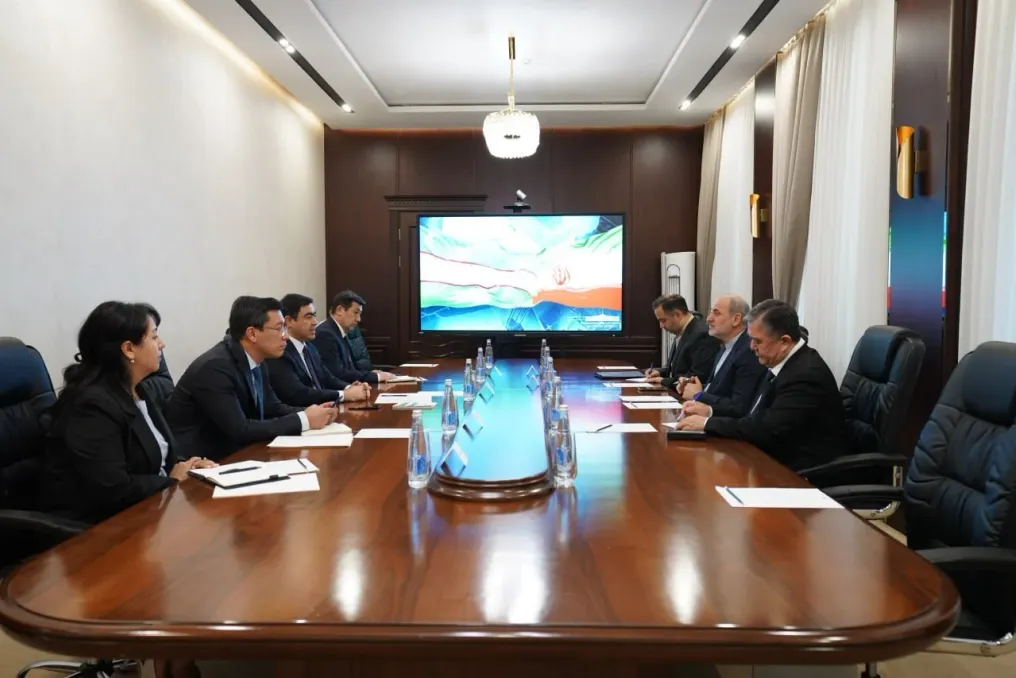
The Minister of Health of Uzbekistan, Eldor Adilov, met with the Iranian Ambassador to Uzbekistan, Mohammadali Iskandari, to discuss prospects for deepening bilateral interaction in the field of healthcare.
During the meeting, both sides noted that cooperation between Uzbekistan and Iran has been steadily growing in recent years due to agreements reached by the leadership of the two countries. This progress was achieved through closer interaction between the ministries of health, specialized medical centers, and higher educational institutions.
Particular attention was paid to strengthening ties between leading medical institutions. Opportunities were discussed for launching joint programs in areas such as cardiothoracic surgery, transplantation, oncology, as well as providing high-tech medical care.
Participants also reviewed the potential for joint investment projects related to the production of pharmaceuticals and medical equipment. At the conclusion of the negotiations, both sides expressed confidence that healthcare cooperation between Uzbekistan and Iran will reach a new level in the near future.
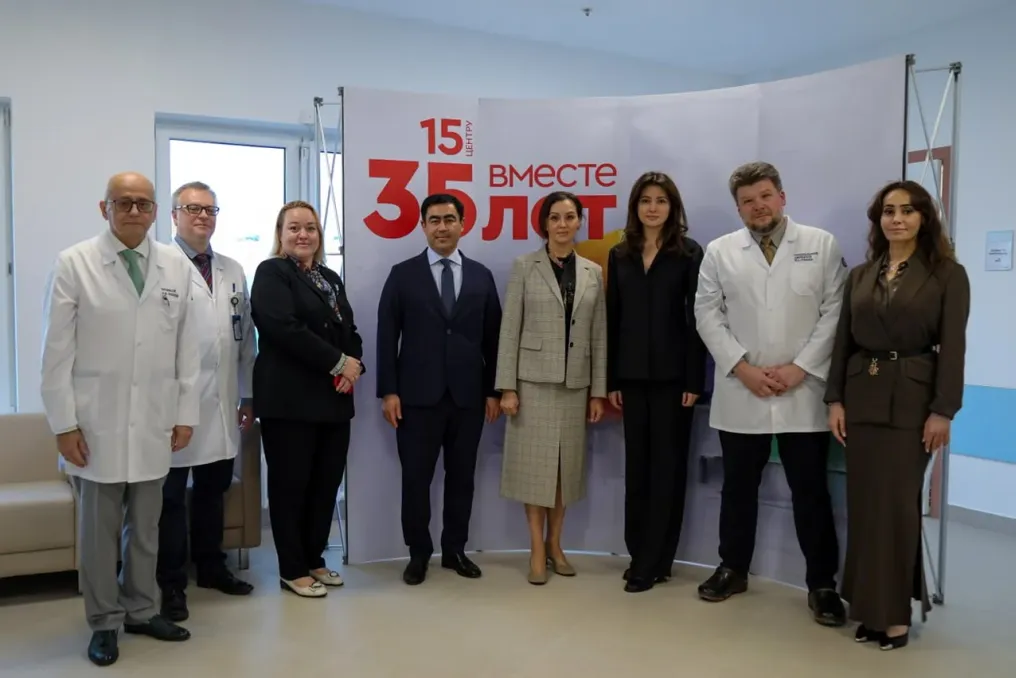
Representatives from Uzbekistan and Russia held a meeting at the Ministry of Health of the Russian Federation. The negotiations included the Russian Minister of Health Mikhail Murashko, as well as leaders and specialists from medical, scientific, and educational institutions of both countries.
During the discussions, an expert session was held dedicated to improving the provision of medical care, digitalization of the healthcare system, development of telemedicine, remote patient monitoring, and training of medical personnel.
The parties also reviewed opportunities for joint work in areas such as oncology, radiology, nuclear medicine, hematology, emergency medical care, medical rehabilitation, and palliative care.
The delegation from Uzbekistan visited the Federal Fund of Compulsory Medical Insurance, the Federal Center for Medical Aid in Natural Disasters, the Central Clinical Hospital with the Polyclinic of the Administrative Directorate of the President of the Russian Federation, and the Barvikha Sanatorium.
The Russian side demonstrated modern operating methods of leading federal specialized medical centers. Among them were presented the A.F. Tsyba Medical Radiological Research Center, the N.N. Blokhin National Medical Research Center of Oncology, the National Medical Research Center of Hematology, and the Dmitry Rogachev National Medical Research Center of Pediatrics, Hematology, Oncology, and Immunology.