The Gujarat government on Thursday unveiled the 'Viksit Gujarat Data Centre Policy 2026-29' and announced that it has already received proposals from fourteen companies for data center creation, anticipating investments exceeding 6 lakh crore rupees in the initial phase.
State Goals and Ambitions
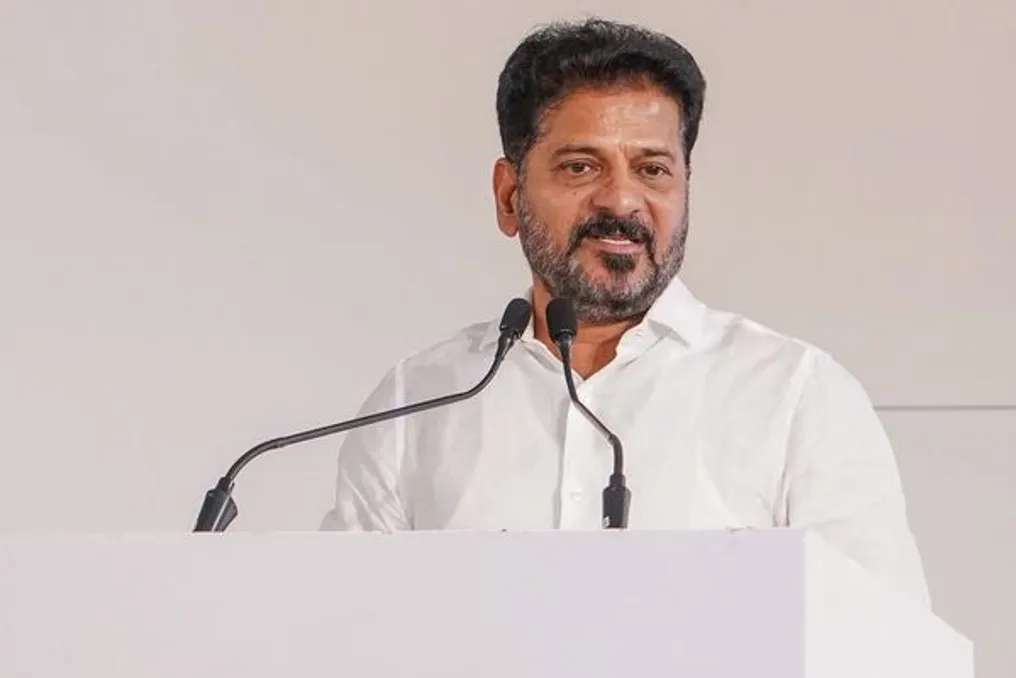
During the presentation at the Mahatma Mandir Convention Centre, Minister of Science and Technology Arjun Modhwadia stated that the state aims to become India's leading hub for artificial intelligence and data centers over the next decade. He emphasized that Gujarat is the first state in the country to implement such a specialized policy.
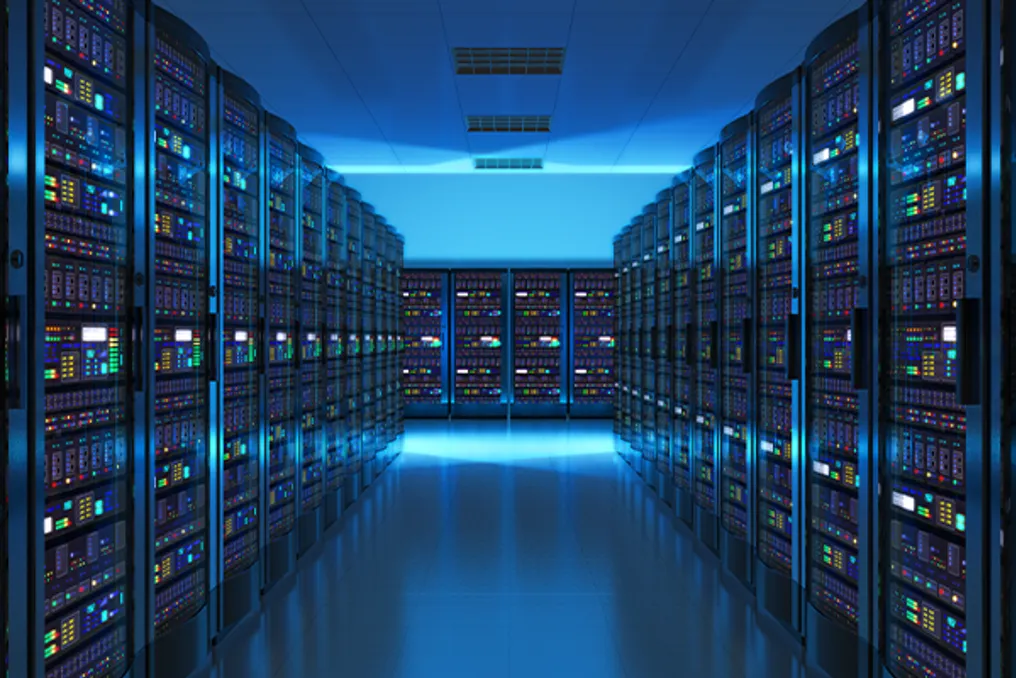
Modhwadia informed reporters that about 14 investors in hyperscale data centers, including companies collaborating with global tech firms, have shown interest in Gujarat. He noted that a data center cluster with a capacity of 7–8 GW is planned in the Dholera area, which will attract investments of approximately 6–7 lakh crore rupees. Furthermore, one 1 GW data center requires an investment of 70,000 to 100,000 crore rupees, and investments exceeding 6 lakh crore rupees are expected in the first phase.
Digital Economy and Comparison
Modhwadia termed this data as the 'new wealth' of the digital economy. He compared the current situation in India, which has about 200 data centers with a capacity of around 2 GW, to the USA, which has nearly 5,500, and the UK, which has over 500. The policy is aimed not just at building data storage facilities but at creating a complete AI ecosystem, including artificial intelligence, cloud, and quantum computing.
Support for Infrastructure Development
Speaking at the inauguration, Patel stated that India, under the leadership of Prime Minister Narendra Modi, is becoming one of the world's largest producers and consumers of data, making digital infrastructure a key element of economic growth. He added that thanks to the Viksit Gujarat Data Centre Policy 2026-29, Gujarat will become the best place in the country to host data centers.
Patel also noted that the rapid growth in AI, cloud computing, electronics manufacturing, and digital services has created unprecedented demand for scalable digital infrastructure. He stressed that this policy reflects the state's commitment to sustainable and long-term development, playing an important role in building next-generation digital infrastructure for both Gujarat and the entire nation.
Dholera Plans and Environmental Requirements
Vice-Premier Harsh Sanghavi stated that Dholera is intended to become the world's largest 'data center city,' and the government has already received requests from domestic and global companies seeking capacity almost double the target of 7.5 GW. Additionally, the government plans to transform Dholera into a Global Capability Center (GCC) hub, supported by a new airport and a semi-high-speed railway line connecting this zone to Ahmedabad.
Sanghavi specified that consultations with stakeholders will take place soon, and senior authorized officers will be appointed to assist investors and expedite project approvals. The policy places great emphasis on sustainability, requiring that at least 51% of the electricity consumed for core data center operations comes from renewable or green sources. Modhwadia also pointed out that developers must meet their water needs using their own desalination plants to avoid overloading local freshwater reserves.
Financial Incentives and Terms
To support such projects, the policy provides assistance of up to 20% of acceptable capital expenditure or 2 crore rupees per million liters per day of desalination capacity, within set limits. The policy aims to achieve a data center capacity of 7.5 GW in Gujarat by offering a range of fiscal benefits. These include a 2.5% capital subsidy for relevant projects in the Dholera region, an interest subsidy of up to 4% for 10 years, and an electricity tariff subsidy of 1 rupee per unit for 20 years.
According to the policy document, eligible investors will receive 100% exemption from stamp duty and registration fees, reimbursement of electricity charges for 20 years, and reimbursement of applicable SGST on investments and operations. Provisions also include granting additional Floor Space Index (FSI), easing building codes, permission for rooftop use for utilities, dual power supply, open access to power procurement, round-the-clock water supply, single-window clearances, and the possibility of land subleasing without additional charges in the initial phase. The policy applies only to projects with a minimum approved IT load of 150 MW. The total financial assistance is capped at 75% of acceptable fixed capital investments and will be disbursed over 20 years. Moreover, data center operations will be treated as a 'core service' under the Gujarat Services Act, guaranteeing operational continuity.