In Boyai County, located in the Zhuang Autonomous Region of southern China, traditional woven crafts play an important role in improving the standard of living in rural areas. A 65-year-old Zheng demonstrates her skill by weaving exquisite baskets from silver grass, earning about 2,000 yuan per month.
Development of the Craft Industry
The history of local artisans reflects the growth of the industry: what was initially simple silver grass or bamboo has transformed into an industry with an annual product value exceeding 4.2 billion yuan. The weaving techniques using silver grass and bamboo in Boyai, which are over a thousand years old, were recognized as part of Guangxi's regional intangible cultural heritage in 2014 and have become one of the county's key industries.
Economic Indicators and Exports
According to Huang Haifeng, a county official, the total industrial output of the sector reached 4.27 billion yuan in 2025, an increase of 5.57% compared to the previous year. Furthermore, exports grew by 2.33% compared to last year, reaching 1.28 billion yuan.
Innovation and International Market
At the China Import and Export Fair, known as the Canton Fair, a local craft company presented products in creative forms, such as cactus and elephant figurines, instead of standard baskets. Huang Liangjiang, the company's CEO, noted that the products have transformed from items associated with the grandparent generation to goods appealing to younger consumers. His company supplies products to over 60 countries and regions and collaborates with several international brands.
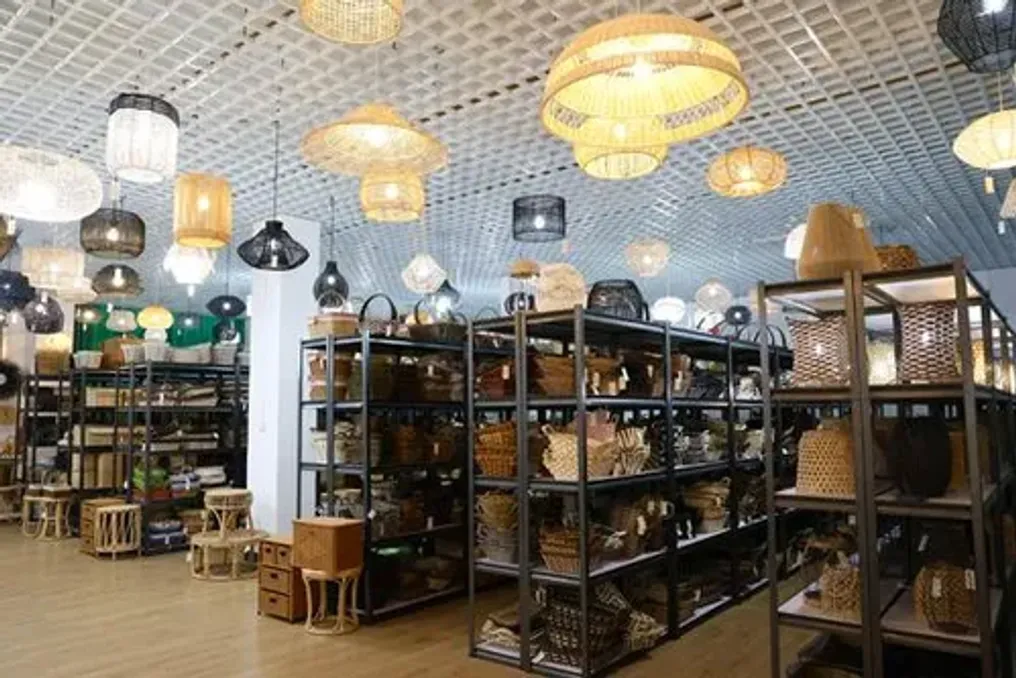
Another local craft firm integrates traditional weaving methods with modern design, creating items such as Scandinavian-style lampshades, French-style picnic baskets, and tea trays. Tu Qunxiao, the company's general manager, emphasized that they pay great attention to design innovation, including incorporating Boyai weaving elements into products adapted for the global market.
Support and Employment
To stimulate the industry's development, Boyai established a specialized light industry park for bamboo, wood, and grass products. Supporting measures were implemented, including subsidies for participating in trade fairs and awards for obtaining international certifications and patents. Events such as intangible cultural heritage festivals and weaving competitions were also held, and interaction with universities and design institutes was encouraged to promote innovation.
Today, more than 390 weaving enterprises operate in the county, providing stable employment for about 25,000 people, as well as temporary and seasonal work for over 200,000 others.