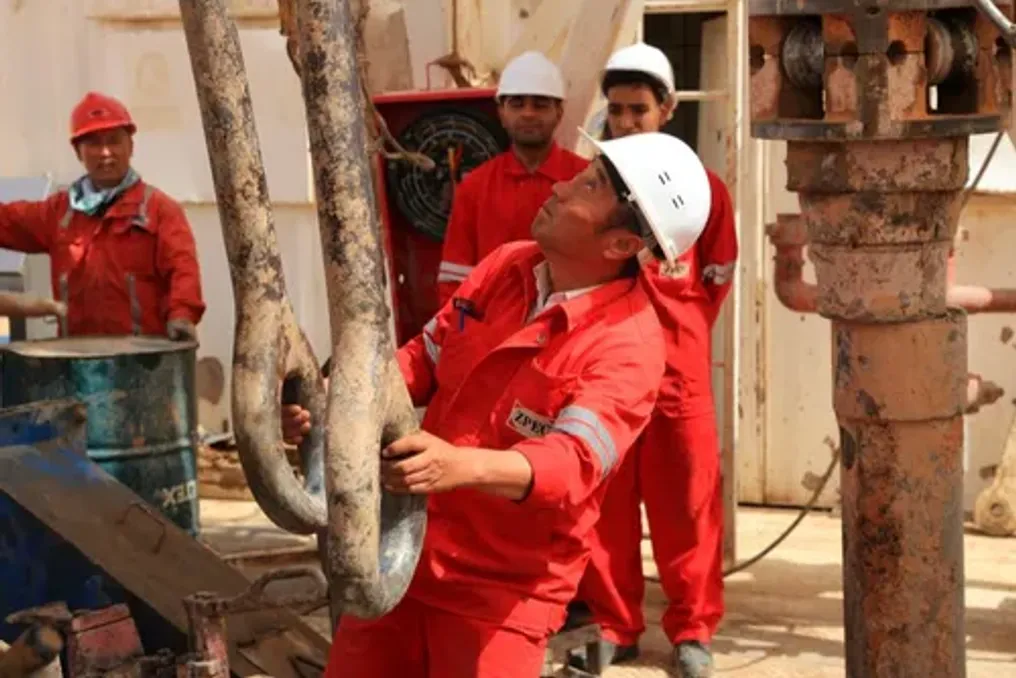
Chery's investment in a factory in Rosslyn in Pretoria serves as a prime example of the benefits of strategic economic diplomacy. This reflects Deputy President Paul Mashatile's efforts to attract foreign investment, which contributes to industrial growth, job creation, and strengthening South Africa's manufacturing sector.
Government Responsibility for International Relations
South Africans have every right to demand clear evidence that official overseas trips bring tangible benefits and advance the country's development goals, especially since they are funded by taxpayers. The South African government is responsible for ensuring that every international engagement contributes to national priorities, strengthens strategic partnerships, and opens opportunities for economic growth.
Trips and Development Goals
In recent years, Deputy President Paul Mashatile has made official working visits to key international partners, including China in 2023 and the United Arab Emirates (UAE) in 2024. These meetings were aimed at strengthening political, economic, and diplomatic ties, as well as promoting South Africa's long-term vision—creating a sustainable and self-sufficient economy. The foundation of this approach is an independent foreign policy that prioritizes South Africa's national interests and supports sustainable development.
The principle once voiced by Kwame Nkrumah, Ghana's first president, 'We look neither East nor West, we look forward,' continues to guide South Africa's efforts to build a comprehensive economy that generates sustainable employment, attracts investment, and expands opportunities for local communities. The Deputy President actively champions South Africa as a place for investment, calling for foreign direct investment while simultaneously emphasizing the importance of local participation, skills development, and broad-based economic growth.
Concrete Results of Cooperation
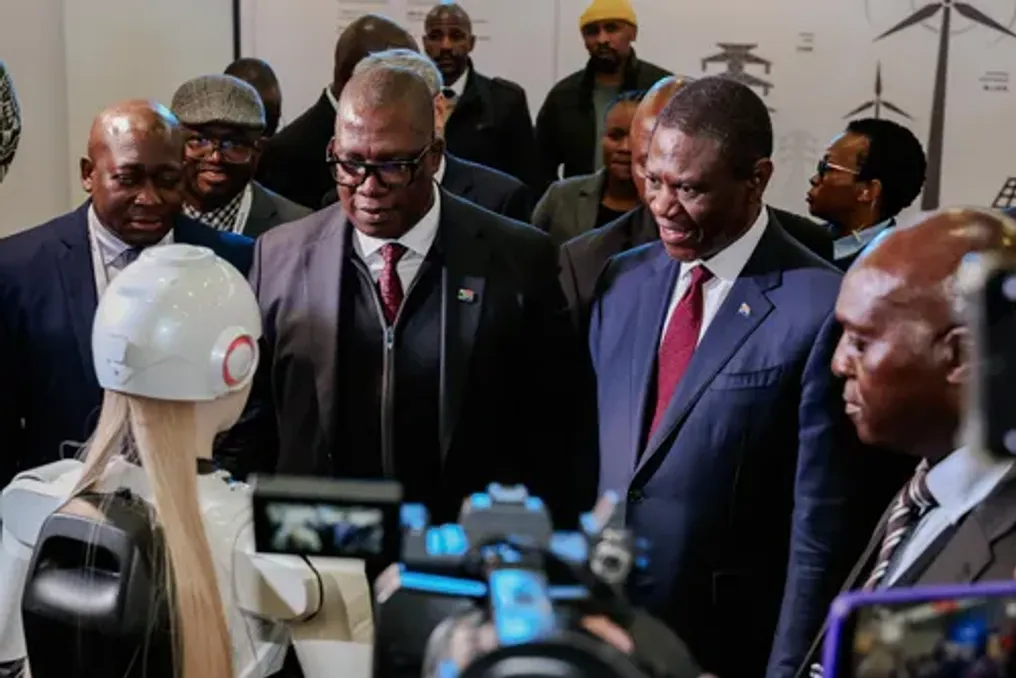
The focus is on creating long-term investment opportunities in fast-growing sectors such as manufacturing, technology, and renewable energy. The benefits of these international engagements are becoming increasingly evident. One notable example was the recent launch of BrainSAT satellite communication services and Thuraya solutions in Johannesburg. This was a direct result of the Deputy President's working visit to the UAE in April 2024, where meetings with Space42 and BrainSAT Technologies led to the signing of a Memorandum of Understanding with the Department of Communications and Digital Technologies.
What began as a diplomatic event has transformed into a partnership supporting South Africa's digital transformation agenda. This demonstrates how strategic international cooperation can be converted into investment, technological advancement, and improved services for citizens. This partnership brings advanced satellite communication technologies closer to South Africans while strengthening the country's digital infrastructure.
Furthermore, it supports the government's goal of ensuring reliable connectivity in underserved communities and eliminating geography as a barrier to opportunity. Improved satellite communication can revolutionize education, business, healthcare, and access to public services, especially in remote areas. It will also enhance disaster response capabilities and create opportunities for small businesses to participate more actively in the digital economy.
Vision and Support for Local Business
As the Deputy President noted, 'This launch is more than just presenting devices. It is about preserving dignity and ensuring equal opportunities for every child to learn, dream, and succeed, whether in a rural village or a bustling city.' This vision aligns with initiatives such as SA Connect, the Digital Transformation Roadmap, and the National Satellite Communications Strategy, all aimed at bridging the digital divide in South Africa.
The BrainSAT partnership reinforces these efforts by expanding coverage beyond traditional broadband infrastructure. Similarly, the establishment of the Chery Rosslyn factory demonstrates the value of strategic economic diplomacy and effective public-private sector interaction. This project gained momentum following the Deputy President's working visit to China in 2023 and reflects South Africa's drive to attract investment, build industrial capacity, and create jobs.
The factory represents more than just a major investment; it is a demonstration of South Africa's ambition to develop a competitive and self-sufficient manufacturing sector that provides employment, develops skills, and delivers long-term economic growth. The project also underscores the importance of coordinated governmental action. The Gauteng provincial government, led by Premier Panyaza Lesufi, and the Department of Trade, Industry and Competition played a vital role in supporting investment discussions, strengthening economic cooperation, and advancing industrial development.
Principles of Successful Diplomacy
These partnerships illustrate how international engagement can yield concrete results when aligned with national priorities. Diplomacy should be judged not by the number of countries visited, but by the investments attracted, opportunities created, and the long-term value delivered to citizens. It is equally crucial to ensure that foreign investment contributes to inclusive economic development.
The Deputy President has consistently stressed the need to integrate local suppliers, support startups, and create opportunities for young entrepreneurs. He urged Chery to collaborate closely with the government to identify, support, and include local suppliers in its value chain, paying special attention to youth-owned enterprises. As he observed: 'Because the strength of our supply chains ensures the resilience of our industry, and the creativity of our young entrepreneurs writes the future of our economy.'
This call reflects a broader commitment from the government to ensure that foreign direct investment acts as a catalyst for widespread economic transformation, skills development, and sustainable job creation. International companies bring advanced technology, technical knowledge, and global best practices. However, sustainable and meaningful development is only possible when these investments are integrated into robust partnerships with local businesses and communities. The BrainSAT partnership and the Chery Rosslyn factory show how international cooperation can support South Africa's development goals while empowering local communities. The impact of the Deputy President's visits to China and the UAE did not end upon the delegations' return; its influence is evident today in the investments and partnerships strengthening South Africa's digital and industrial future. Ultimately, the true measure of international engagement is not the distance traveled, but the long-term benefit it brings to the people of South Africa.