Tyre manufacturer Ceat, which is owned by RPG Group, reported a significant decline in its net profit for the first quarter of the financial year 2026-27 (Q1 FY27). The net profit plummeted by 96.4 percent year-on-year (YoY), reaching ₹4 crore.
Reasons for the Sharp Profit Decline
The main reason for such a sharp decrease was an impact of nearly ₹50 crore caused by the depreciation of the Sri Lankan rupee against the US dollar in the debt obligations of the foreign subsidiary. Additionally, the company incurred losses from recently acquired enterprises related to investments in new warehouses, infrastructure, and lower initial operating figures.
Financial Performance and Management Comments
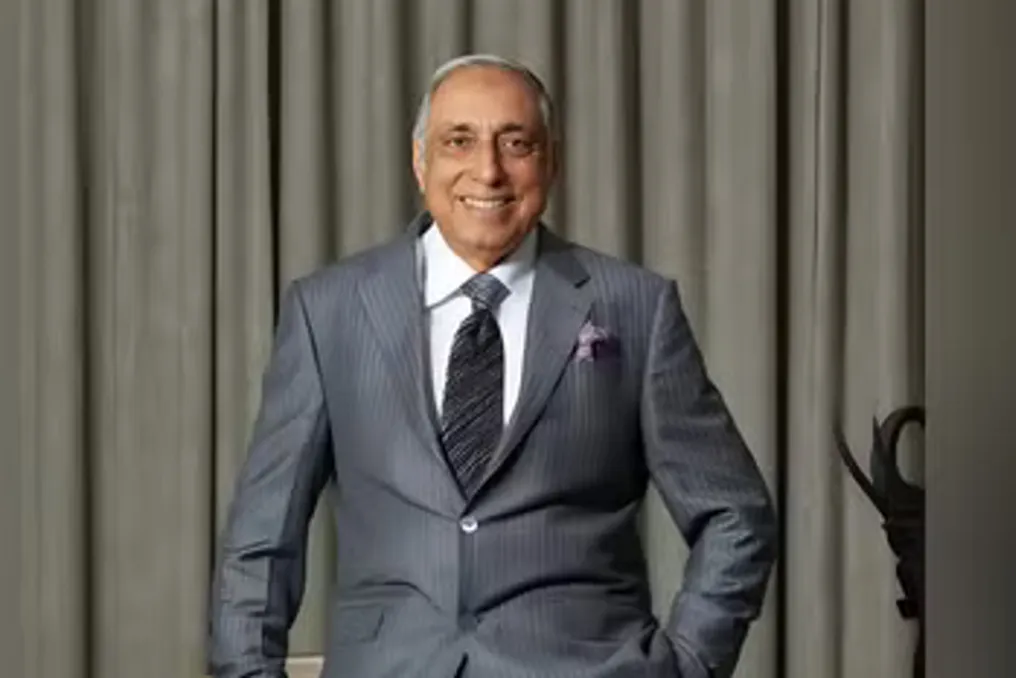
Despite the drop in net profit, revenue from operations increased by 22.4 percentage points year-on-year, reaching ₹4,318 crore. Arnab Banerjee, Managing Director (MD) and Chief Executive Officer (CEO) of Ceat, noted that the first quarter was challenging for the industry. The company responded to the situation with a moderate price increase to partially offset the negative impact while maintaining focus on market share and demand. He added that despite the pressure, CEAT demonstrated confident double-digit revenue growth, supported by high capacity utilization and stable demand across all segments. Banerjee emphasized that entering the second quarter, the company will maintain a disciplined approach to pricing, focusing on profitable growth.
Cost Pressures and Forecasts
On a sequential basis, net profit declined by 98.4 percentage points, while operating revenue grew by 2.3 percentage points. Kumar Subbia, CFO of Ceat, stated that the standalone business suffered due to the increased cost of raw materials, which the company could only partially pass on to buyers. He specified that because not all the increase in raw material costs was passed on to consumers, the gross margin decreased by approximately 5.8 percentage points. Subbia forecasts that raw material costs may rise another 6-7 percent during the second quarter, although prices are likely to stabilize from the third quarter with an improvement in geopolitical and commodity conditions.
Investments and Market
The company stated that demand for tire replacement remains resilient despite price increases and does not expect an immediate drop in demand. Nevertheless, it acknowledged the possibility of weakening demand in the medium term, especially if competitors adopt different pricing strategies. The board of directors approved an investment of ₹1,205 crore to expand two-wheeler production capacity in line with future development plans. The results were announced after the market close, after which Ceat shares rose by 0.9 percent, closing at ₹3,829.30 on the BSE.