Honda has reached the milestone of ten million flex motorcycles manufactured in Brazil. This significant achievement was reached during the second half of 2026 at the manufacturer's plant located in the Manaus Industrial Pole, Amazonas, from where all motorcycles sold nationwide are distributed.
Pioneering Dual-Fuel Technology
The company gained worldwide recognition for introducing dual-fuel engines into large-scale motorcycles. This technology was first presented in 2009 with the CG 150 Titan Mix model, which became the first motorcycle globally capable of running on gasoline, ethanol, or any combination of the two in series.
To make this innovation viable, a specific engineering solution was required. Unlike automobiles, motorcycles have space restrictions for the auxiliary tank, pump, and sensors necessary for the cold start system. This forced Honda to create a highly compact injection and electronic management system.
Consolidation in the Brazilian Market
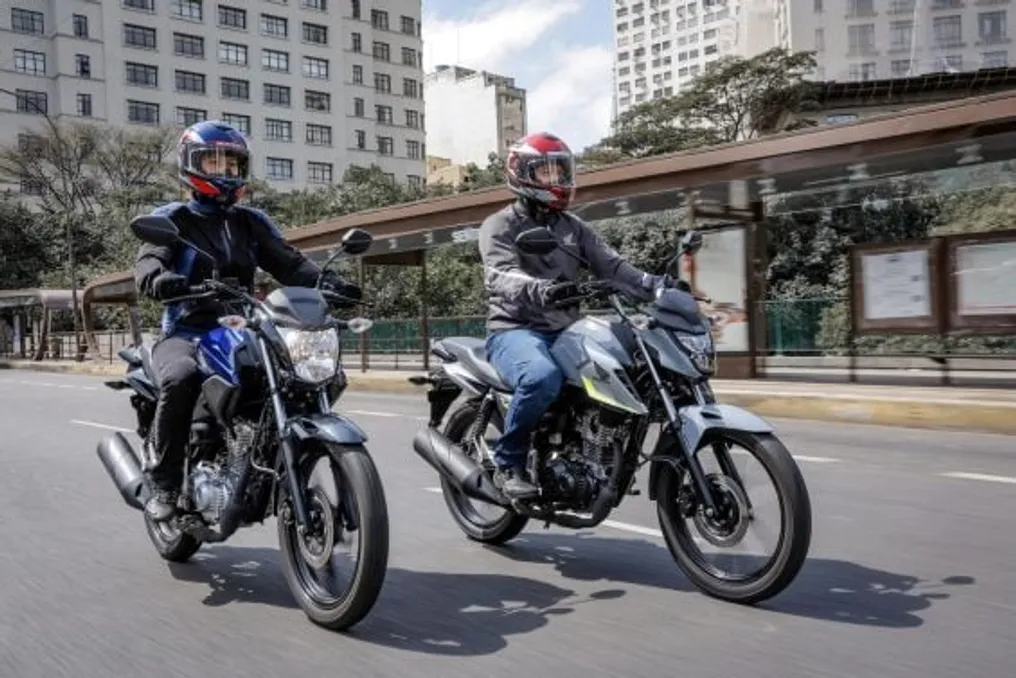
Since its launch, the flex system has established itself as a crucial differentiator for the brand, which currently leads the Brazilian two-wheeled vehicle market. Approximately 65% of the line produced in Brazil uses FlexOne, which is available in nine distinct models: Biz 125, CB300F Twister, CG 160 Titan, CG 160 Fan, CG 160 Cargo, NXR 160 Bros, XRE 190, XRE 300 Sahara, and XR300L Tornado.
The high acceptance of this technology in Brazil reflects a peculiar characteristic of the local market: while much of the world is moving towards electrifying motorcycles, Brazil utilizes ethanol as a renewable source. This alternative allows for emission reduction without altering the refueling infrastructure, and the country has one of the largest motorcycle fleets on the planet, which enhances the scale of the technology.
Operation and Global Strategy
In practical operation, the flex system automatically detects the proportion of ethanol and gasoline in the tank, making automatic adjustments to the injection and ignition timing. This gives the rider the freedom to refuel based on cost or fuel availability, while always maintaining engine performance and reliability.
Marcos Bento, who holds the position of Commercial Manager at Honda Motos, stated that reaching the ten million goal demonstrates the 'capacity of Brazilian industry to innovate with a focus on the customer.' Furthermore, the flex system has become an export product; since 2023, Honda has been taking this technology to India, which represents the world's largest motorcycle market. This initiative aligns with the company's global corporate strategy to achieve carbon neutrality by the 2040s, supported by both electrification and the improvement of combustion engines that use renewable fuels.