The Ministry of Sport, Arts and Culture spent nearly 31 million rand on a program to support South Africa's participation in the FIFA World Cup. These funds were allocated to various aspects, including international fan events, official travel, and hospitality suites and match tickets.
Total Investment Amount and Program Objectives
The total amount of government investment, according to the department's latest expenditure reconciliation, amounted to R30,954,370. The program was designed to support South Africa's participation in the tournament while simultaneously promoting the country as a tourist destination, as well as its culture, creative industries, and investment opportunities to an international audience.
However, the department acknowledged that it cannot yet specify any particular investment agreement or trade deal concluded solely due to this program. It was stated that potential business contacts and investment opportunities gained through international activations are still being consolidated with program partners and will be included in the final report after verification.
Allocation of Funds by Area
The largest portion of the funding, amounting to R10 million, was allocated to public activations of South Africa in the cities of Mexico City, Atlanta, and Monterrey. These funds covered the conceptualization, design, construction, and operation of international exhibition venues, including branding, stage design, audiovisual production, venue setup, decorations, technical equipment, logistics, and subsequent infrastructure dismantling.
These activations took place over several days and weeks in different locations. They served as platforms for South African musicians and performers, chefs showcasing local cuisine, and exhibitors selling local art, craft, and cultural products. The department emphasized that these activations were a central part of its cultural diplomacy and national branding program, aimed at promoting South Africa as a destination for tourism and investment.
Travel and Cultural Diplomacy
Expenditures on official travel and delegations totaled R7,865,134.97. This sum covered international and domestic flights, accommodation, ground transportation, daily allowances, travel insurance, and other operational costs associated with the department's program in the host cities. The official delegation included the minister, authorized executive staff, the CEO, departmental officials overseeing the management and implementation of the program, as well as staff responsible for logistics, communications, protocol, and operational coordination.
Travel expenses also included approved South African artists and cultural representatives participating in the cultural diplomacy and national branding program. Furthermore, an additional R6,706,925 was spent on the 'South Africa 2010 Legends' exhibition match and related heritage events. These funds covered the participation of former South African footballers in approved exhibition matches, as well as operational needs related to the football diplomacy and heritage program.
Hospitality Suites and Tickets
Hospitality suites in Atlanta and Monterrey cost taxpayers R3,361,845.18. According to the department, these facilities were used as official platforms for meetings between government representatives, sponsors, investors, strategic partners, international colleagues, football stakeholders, and invited guests. The purpose of these suites was to facilitate meetings, business networking, investment promotion, and the showcasing of South Africa's sporting, cultural, and tourism offerings.
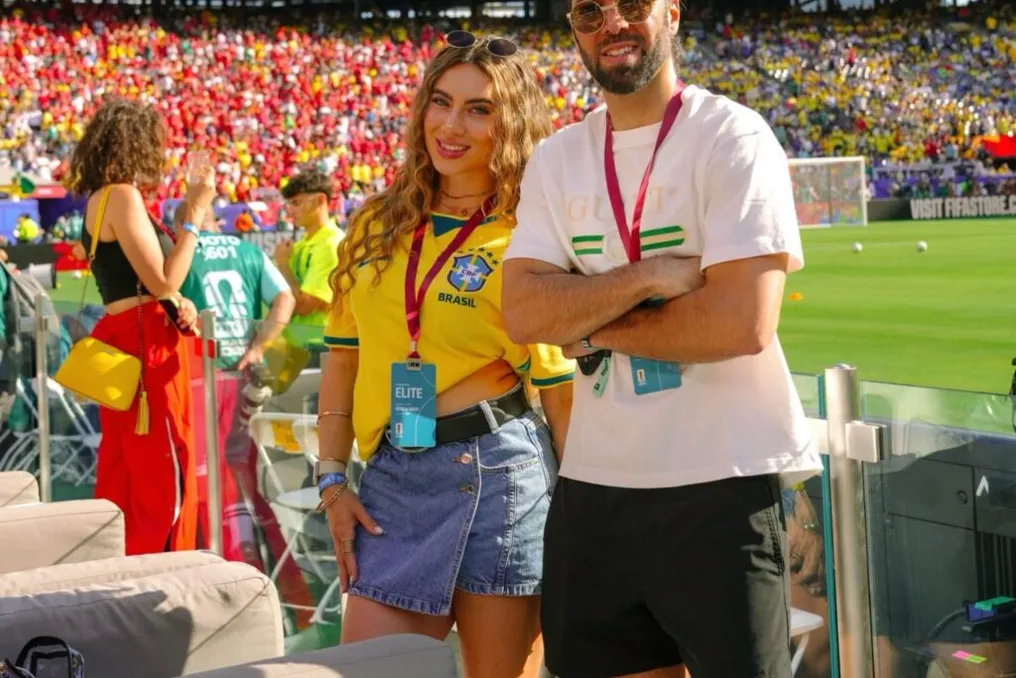
An additional R3,011,465 was spent on 294 tickets for three matches attended by participants in Mexico City, Atlanta, and Monterrey. The tickets included Category 1, Category 2, and Category 3 seats, which had different prices within the FIFA ticketing system.
Funding and Partnerships
The program was financed through approved departmental allocations for the development of sport, arts and culture, heritage, international relations, strategic partnership, and executive support. Private sponsors separately provided participation for 'Lucky Fans', journalists, podcasters, influencers, and other fan mobilization events, which helped reduce the burden on the state.
Artists and cultural representatives were selected based on the requirements of the cultural program, including their significance to the host city's audience, ability to present a compelling South African offering, availability, and compliance with technical, visa, and transport requirements. Journalists, podcasters, influencers, and content creators were considered as a separate media group and selected based on audience reach, credibility, and the ability to create real-time content about football and lifestyle. 'Lucky Fans' were selected separately through a public video competition and evaluation process.
Reporting and Guarantees
The department explained that it intentionally separated reporting among officials, artists, media participants, sponsored fans, and implementing partner personnel to avoid a distorted view of how the program was funded and executed. Expected outcomes of the program included international media coverage, tourism inquiries, stakeholder introductions, cultural exchange, audience attendance, digital engagement, and meetings with football federations, sponsors, embassies, and potential investors. The department clarified that projected media coverage would not be counted as a return of funds to the treasury.
Instead, it would be assessed whether the program managed to ensure sustainable coverage, valuable business contacts, interest in tourism, formal partnerships, and subsequent opportunities. Partnerships were established or strengthened with Brand South Africa, Coca-Cola, HONOR, Betway, Cell C, Old School, The Sports Trust, the South African Football Association, and South African diplomatic missions. These organizations assisted with fan travel, media participation, fan park experience, communications, and program execution.
The department also noted that expenditures remain under the control of the Public Finance Management Act, Treasury regulations, National Treasury cost containment measures, and its own financial and procurement policies. Safeguard measures included prior budget approval, separate accounting of public and private expenditures, account verification, tracking of tickets and hospitality suites, and reconciliation of travel, accommodation, and program expenses. A consolidated report after the tournament will only be published after reconciling all accounts, travel claims, sponsor contributions, and implementing partner invoices. The department preferred to publish a report that withstands audit rather than presenting figures that might require correction.