Kanika Ahuja, the founder of Lifaffa, shared memories of visiting a landfill in her childhood. Back then, she wanted to climb onto what she considered a small hill, but she was forbidden from doing so, warned that she might harm herself or get sick.
Kanika Ahuja, the founder of Lifaffa, shared memories of visiting a landfill in her childhood. Back then, she wanted to climb onto what she considered a small hill, but she was forbidden from doing so, warned that she might harm herself or get sick.
Recalling the sight of growing garbage at the dump, Kanika also remembers growing up in a family that was very conscious about consumption. It was then that she began consciously working on finding ways to transition to a circular economy.
In 1998, Kanika's parents, Anita and Shalabh Ahuja, founded the NGO Conserve India, whose activities were focused on improving energy efficiency. Later, they started addressing plastic pollution issues, which Delhi faces and continues to face.
Although her parents actively ran this NGO, they did not want Kanika to join this field. Therefore, she received an engineering degree from Manipal Institute of Technology, Karnataka, and later graduated from SRCC in Delhi with an MBA. By 2015, she worked at a market research firm, and it was there that she wanted to change her field and become part of the development sector.
In 2016, she joined the NGO founded by her parents. She noted that at some point, working for Conserve India felt like just working for an export company, which prompted them to take a break and reevaluate their activities.
This pause led to the creation of Lifaffa in 2017—a brand that designs and sells products made from recycled plastic in India, the USA, and Europe. Today, about 12 tons of discarded plastic are recycled annually into wallets, bags, laptop sleeves, table stands, etc., thereby reducing the amount of plastic ending up in landfills.
The company exceeded the mark of 1 crore rupees in revenue last fiscal year and is preparing to break this record. Kanika explained that thanks to the network of buyers created by Conserve India over the years, they began training groups of people in the production of these items, which were then sold under the Lifaffa brand.
Lifaffa was launched in 2017 as an independent social enterprise. The goal was to train communities in methods for recycling discarded plastic bags and promoting a decentralized production system in India. In the initial months, Lifaffa also received funding from Ashoka, a global venture fund supporting social enterprises worldwide, which provided a significant boost to the venture.
The company began working on developing sustainable innovations for the recycling and reuse of single-use plastic that previously went uncollected and unprocessed. Lifaffa developed technology to transform single-use plastic into new fabric. Due to the variety of colors of these bags, the brand was able to use this advantage to create beautiful patterns.
Another important milestone was the invitation to participate in Lakme Fashion Week in 2017. At this forum, they managed to showcase their fashion accessories, such as bags and wallets, which served as an excellent start for the brand.
Currently, the brand recycles almost a ton of plastic monthly. Kanika added that although the pandemic negatively impacted their work, the figures are now recovering. Providing people with an alternative to leather has been a big plus, especially during a period when consumers were looking for substitutes.
Mahima Hardжай, a Lifaffa customer from Noida, shared that she learned about the brand three years ago and immediately appreciated their work. She noted that the brand understands the importance of conscious choice when using high-quality materials with minimal environmental impact, which helped her transition to a more eco-friendly wardrobe.
She also emphasized that Lifaffa's products are accessible across different budgets, allowing her to contribute to a sustainable world. Her favorite items are a bracelet made from used tires with Afghan embroidery and a plant pot made from recycled rubber.
Currently, Lifaffa collaborates with 200 waste recycling workers and 300 artisans, many of whom are women and refugees. Iram Ali, one of the women associated with the brand, shared that she has been working with Conserve India, and now with Lifaffa, for over eight years. She has always been interested in observing the process of transforming such useless material as plastic waste into such beautiful items. They form a group of 40 women involved in producing these goods.
She specified that making one bag takes about a day and a half, and they earn around 8000 rupees per month. In addition to bags, they also produce tablecloths, mats, and trays.
Kanika also collaborated with a group of Afghan refugee women in India who possess traditional craft skills. Her goal is to make sustainable fashion appealing to all age groups, combining eco-friendliness with trendy design.
In 2019, Kanika was among the eight designers selected to participate in the Circular Design Challenge—a joint project by R | Elan ‘Fashion for Earth’, Lakmé Fashion Week (LFW), and the United Nations (UN) in India. She passed the selection from 900 applications submitted from over 30 cities across the country.
Responding to the question about certification, Kanika explained that while standards such as Global Recycling Standard or Fair Trade exist, it is currently not feasible to apply for them due to the scale of operations. The presence of most companies on social media allows potential customers to easily ask questions.
The biggest obstacle remains changing people's mindset. Kanika admitted that despite the progress made, the road is still long, as people still ask why they should spend money on an item made from 'waste'.
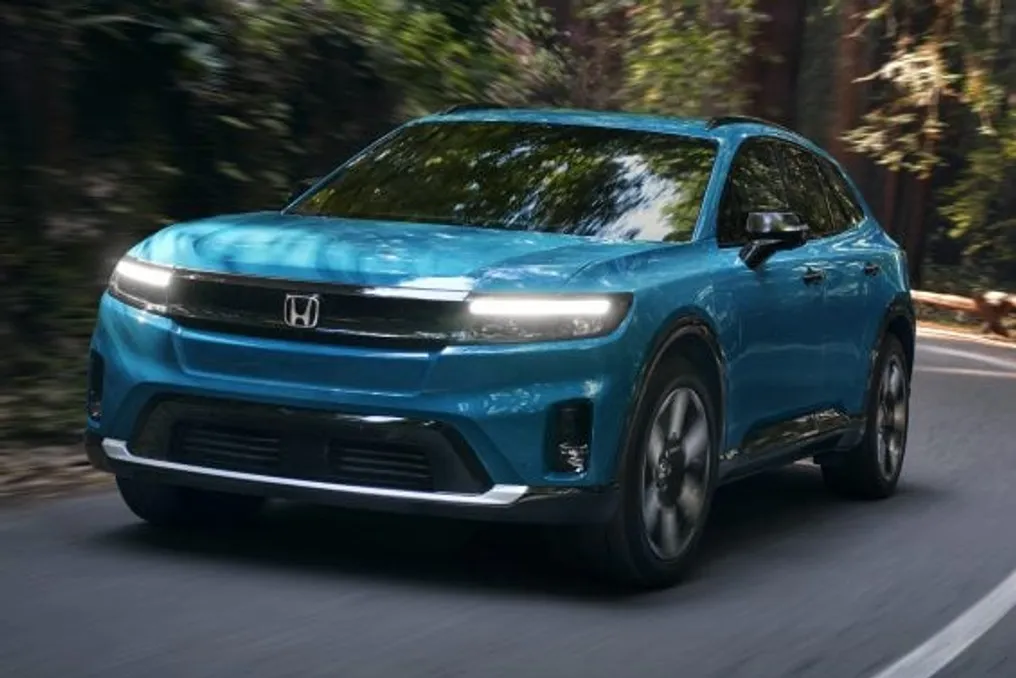
Honda will discontinue the sale of the Prologue model in the United States after the end of the 2026 model year. This move results in the absence of any fully electric vehicle from the manufacturer in the largest global market, at least temporarily, forcing the company to focus more on hybrid vehicles.
The Prologue was initially introduced as a transition option while Honda worked on its own electric technology. It emerged from an established collaboration with General Motors, a period during which the Japanese manufacturer had promised a billion-dollar investment in electrification. In reality, both the Prologue and the Acura ZDX were variations of the Chevrolet Blazer EV and the Cadillac Lyriq, both built on GM's Ultium platform.
The pair of vehicles faced a lukewarm market response. Although the Prologue registered good sales at certain times, the ZDX sold in small quantities and was discontinued even in 2025. Sales data justifies the decision: in 2025, Prologue sales rose by 19.1%, totaling 39,194 units, an increase driven by consumers rushing to obtain the benefit of the federal tax credit before its expiration. However, once the incentive was removed, demand plummeted, registering only 932 registrations in December, representing an 88.6% drop. This decline continued in 2026; in the first half, Honda sold 8,407 electric vehicles, a setback of 48.5% compared to the same period last year, equivalent to approximately 1,400 monthly units.
Due to poor performance, the Prologue became the second best-selling Honda in the country, only behind the Prelude. Sales were so modest that the electric SUV was surpassed by all Acura models still in production, including the RDX, which is also scheduled to be discontinued. This decision is part of a broader reorganization of the company in the electrification sector. In addition to the Acura ZDX, which was discontinued in 2025, Honda also canceled the Series 0 projects (including the 0 Sedan and 0 SUV), the Acura RSX, and Sony Honda Mobility, the electric car brand developed jointly with Sony and responsible for the Afeela.
Honda announced that current Prologue owners will continue to receive full support through the dealership network, covering services, parts, and warranty coverage. This closure signals, for now, the end of the brand's presence in the pure electric segment in the US, given that American consumers continue to show a preference for hybrid models. Despite this, the company has not completely abandoned electrification and continues to develop its own electric vehicle architecture for the coming years.
The cost-benefit of an iPhone is determined by several factors, including the projection of software updates, performance potential, and the price charged in the national market. Previous generations, such as the iPhone 16 and iPhone 15 models, become more advantageous options after subsequent price reductions following each launch, being cited as economical alternatives for 2026.
Tecnoblog conducted an analysis of the main iPhones currently on the market to help consumers identify the best combination of specifications and price, detailing the strengths and weaknesses of each Apple smartphone.
The iPhone 16e was launched to redefine the range of more affordable devices within the Apple ecosystem. This model features the A18 processor and the same 8GB of RAM as higher-end models, promising good performance for multitasking and demanding applications, such as games. Its simplified design includes the return of the classic notch on the screen and a simple rear camera system with a 48-megapixel sensor. The 6.1-inch Super Retina XDR OLED display ensures true colors and intense brightness.
The iPhone 16 offers excellent value for money for those who want to invest slightly less than the newest model while maintaining innovations and contemporary design. It comes equipped with the A18 chip and 8GB of RAM, sufficient to run all of Apple's productivity and smart editing tools with high performance. A major advantage is the 48-megapixel main sensor, coupled with the camera control button, which allows quick adjustments of focus, exposure, and zoom through intuitive gestures. Additionally, the device has long battery life and uses the USB-C port, representing a modern and balanced option at a more competitive retail price.
For those seeking a cutting-edge smartphone at the lowest cost, the iPhone 17 is the main recommendation. Equipped with the new A19 processor, it guarantees excellent processing speed and optimized energy efficiency, allowing complex tasks and multitasking to run smoothly for several years. The basic model now incorporates 120Hz ProMotion technology, present in Pro models, along with 48-megapixel main and ultrawide cameras. The front camera system also features Center Stage for automatic subject framing.
The iPhone 15 Pro remains a notable purchase due to its depreciation in the market. Built from light and durable titanium, it houses the A17 Pro processor, an advanced architecture chip that natively supports console gaming and heavy graphics processing, keeping it at the same performance level as recent releases. Its three-camera system includes a dedicated telephoto lens for distortion-free optical zooms and professional recordings. With a 120Hz ProMotion display, it provides a complete premium experience for a price comparable to a current mid-range model.
Launched in 2023, the iPhone 15 is seen as the ideal balance point for the average user who wants to enter the main Apple line with minimal investment. It features the Dynamic Island interface for dynamic notifications at the top of the screen, the A16 Bionic processor, which offers good thermal stability, and USB-C connectivity, facilitating the use of universal cables. Even without dedicated deep artificial intelligence hardware, the device stands out with a high-resolution 48-megapixel camera and impeccable video stabilization, making it a safe choice for those looking for an updated, beautiful, and fast smartphone at more accessible prices.
When deciding which iPhone offers the best cost-benefit in 2026, it is crucial to weigh the available budget, usage profile, and intended period of use. It is recommended to observe some specific technical aspects:
Regarding the iPhone 17 Pro Max, the decision depends on the budget. Although it is one of the best smartphones of 2026, presenting the peak in screen, autonomy, and professional cameras with extended zoom, its retail price tends to be very high. For this reason, standard versions usually offer a better financial return for the consumer.
Purchasing a used iPhone can be advantageous, provided it is done with caution. Display models or pre-owned devices represent good opportunities for savings, but it is essential to check the battery health (preferably above 80% to 85%) and ensure the perfect functioning of all original components, such as Face ID and True Tone screen, before finalizing the purchase.
It is not recommended to buy the iPhone 11 in 2026. Despite having received updates to the latest iOS, the model is over six years old and lacks current technologies such as 5G connectivity, OLED screen, USB-C port, and Apple Intelligence support. Furthermore, it is likely that the current operating system version is the last released for this device.
Similarly, buying the iPhone SE in 2026 is not advised. With the emergence of the iPhone 16e as a modern and affordable entry-level model, older versions of the iPhone SE, with small LCD screens and a physical Home button, have lost relevance for most users seeking larger screens and good battery life.
The National Health Surveillance Agency (Anvisa) has decided to suspend the importation of all medicines manufactured by Excelvision, a pharmaceutical company responsible for producing eye drops and ophthalmic gels sold under various international brands.
This preventive action was formalized in the Official Gazette of the Union (DOU) this Friday, the 17th, with the aim of blocking the entry of these items into the Brazilian market.
Anvisa's determination occurred after an inspection conducted in June by the French National Agency for the Safety of Medicines and Products (ANSM) at Excelvision's facilities. According to the French agency, failures were found in complying with good manufacturing practices guidelines for medicines. As a consequence of this inspection, the ANSM issued an international health alert, which was accepted by the Brazilian regulatory authority.
In addition to the general suspension of Excelvision's products, Anvisa also prohibited the importation of the medicine Zonidra – 20 MG/ML X 5 ML. Although this item is produced by the same company and is registered in Brazil, it has never been put on sale in the country.
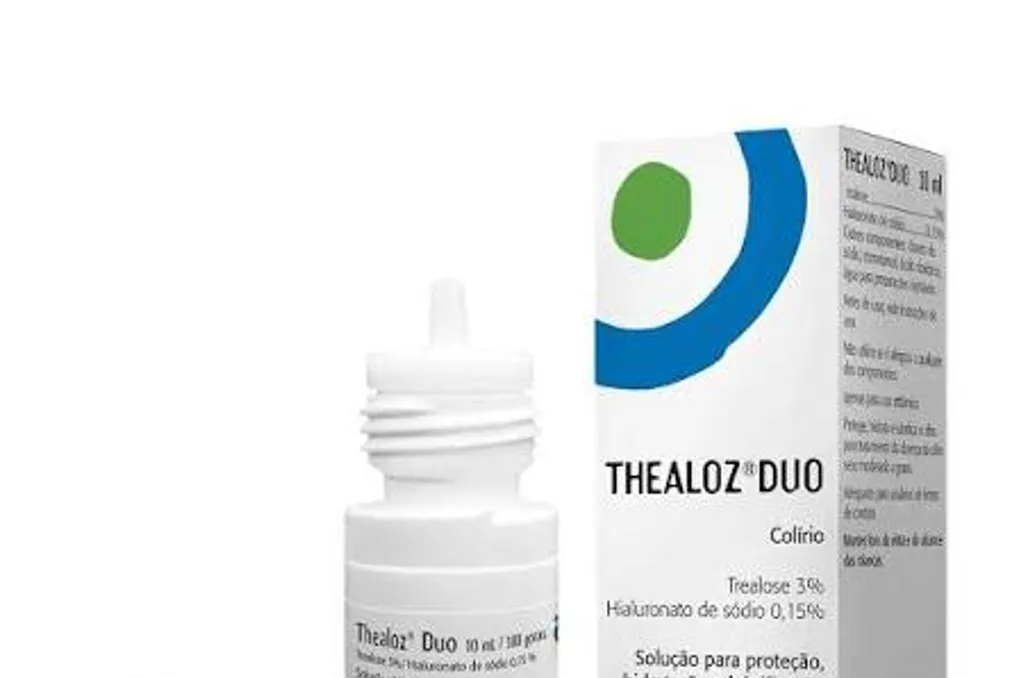
Furthermore, Anvisa announced the suspension of all batches of the products Hyabak and Thealoz Duo, manufactured at the Excelvision factory starting from June 5, 2026.
The health agency advises consumers to avoid using the products affected by this measure. Users are recommended to check the labeling to verify the place of manufacture and contact the respective companies if they discover that the medicines came from the Excelvision unit subject to suspension.
Grupo União Química released an official statement regarding the medicines Hyabak and Thealoz Duo. The company clarified that the publication in the DOU (07/17/26) about the suspension of sales of batches manufactured from 06/05/26 by Excelvision (France) does not affect any batch currently sold in Brazil, as the batches imported in the last two years come from another manufacturing unit, Farmila-Thea Farmaceutica (Italy).
União Química emphasized that the ANVISA decision is preventive, mirroring the alert from the French health authority, and is in line with best regulatory practices. The company assured that Hyabak and Thealoz Duo meet all criteria for safety, efficacy, and quality, and there is no reason to interrupt the use of batches available in the national market. Future imports will only occur from the Italian plant, which fully complies with good manufacturing practices criteria.
Finally, União Química made customer service channels available to answer questions.
Laboratório Cristália also commented on Zonidra. The company explained that the ANVISA determination, published in the DOU on July 17, 2026, refers exclusively to the imported product and stems from non-compliance with Good Manufacturing Practices (GMP) by the international manufacturer.
Cristália stated that there is no impact on the company, since Zonidra has not been launched or marketed in Brazil yet, meaning there are no batches subject to the measure. If Zonidra is launched in Brazil, even under the same brand, its production will be done locally, at the Cristália unit, following rigorous standards. Cristália reinforced that Excelvision is not their licensor for Zonidra and that they do not commercialize its products.