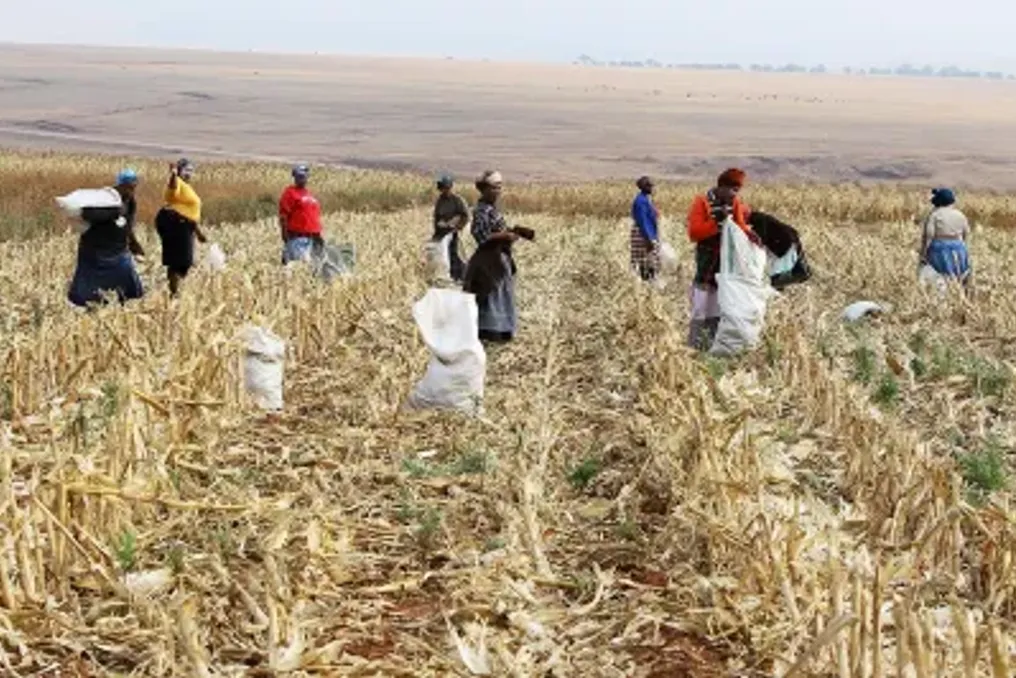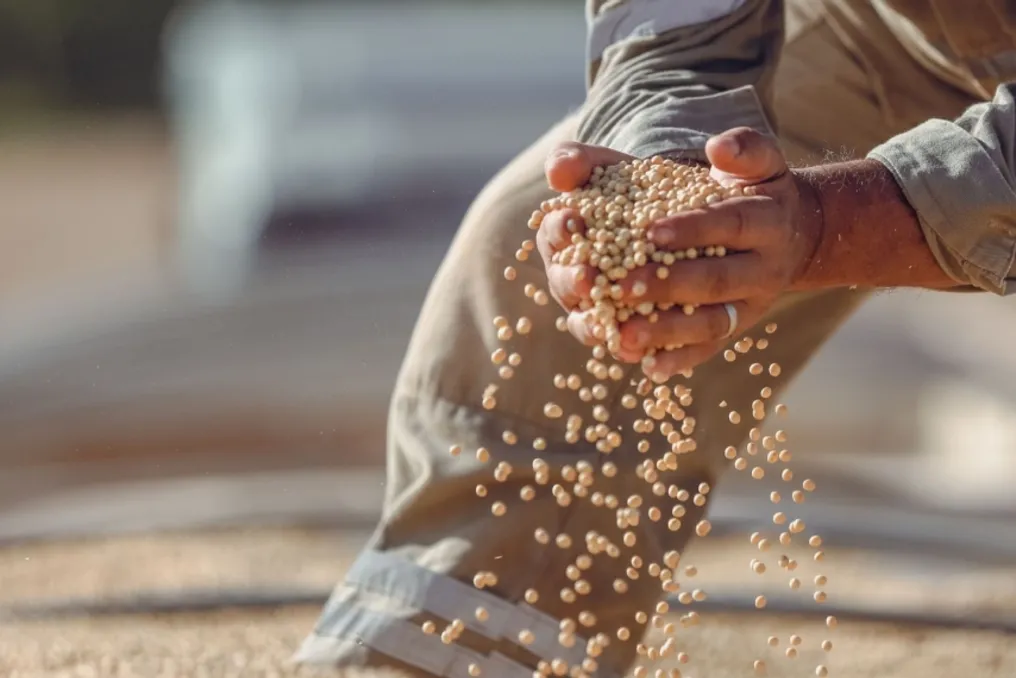
The organization Grain SA called on the South African Human Rights Commission (SAHRC) to recognize the vital role of grain producers in ensuring food security, while cautioning against placing sole responsibility for rising consumer food prices on farmers.
Grain SA's Stance on Food Security
Grain SA recently presented its producer-focused perspective during a national commission inquiry into South Africa's food systems. This investigation examined structural, economic, and political factors affecting access to sufficient, affordable, and nutritious food. The CEO of Grain SA, Dr. Tobias Doer, emphasized that food security begins directly on the farm, but maintaining production requires agricultural economic sustainability.
Factors Influencing Prices
According to the organization, food inflation is shaped by numerous factors beyond the farm gate. These factors include the cost of fuel, fertilizers, electricity, transportation, storage, processing, production, packaging, infrastructure limitations, retail markups, and household purchasing power. Doer illustrated this by noting that less than 20% of the cost of a loaf of bread is related to the price of wheat; the remainder is due to milling, baking, delivery, energy, packaging, and retail trade costs.
Dr. Doer noted that producers often act as cost absorbers within the food system. Rising costs for fuel, fertilizers, and energy place significant pressure on the viability of the farming level, but these costs are not always immediately reflected in producer incomes. If farmers cannot recover production costs in the long term, productive capacity, jobs, and long-term food security are at risk.
Infrastructure and Trade as Challenges
Furthermore, the organization highlighted how inadequate infrastructure affects food accessibility. Deteriorating road conditions, railway transport constraints, and long transportation distances increase costs at every stage of the grain value chain. Grain SA argued that improving transport infrastructure would make grain movement more efficient, strengthen competitiveness, and help reduce overall costs in the food system.
Regarding trade, the organization affirmed its support for open and competitive markets but warned that South African wheat producers face unfair competition from countries where farmers receive substantial government subsidies. Doer stated that food security depends not only on the physical availability of food but also on people having income, jobs, and economic opportunities to purchase it, as weakening local production leads to a weakening of the rural economy.
Innovation and Farmer Development
Grain SA stressed that research, technology, and innovation remain vital for increasing productivity and maintaining the availability of food production. The organization pointed to tools such as improved varieties, climate-aware farming methods, precision breeding, responsible crop protection, and sound agronomic practices that contribute to increased yields and reduced production risks.
A farmer development program, including the Phahama Grain Phakama (PGP) program, was also presented. This program provides training, mentorship, technical support, technology transfer, and improved resource access to emerging, developing, and smallholder farmers. Grain SA identified secure land tenure, access to finance, infrastructure, technology, and strengthening public-private partnerships as necessary conditions for supporting transformation and the successful participation of more farmers in the agricultural economy. Doer concluded that solving issues of hunger, access, and nutrition requires a balanced, evidence-based approach, and that a viable production base is a prerequisite for ensuring food availability, not contrary to it.