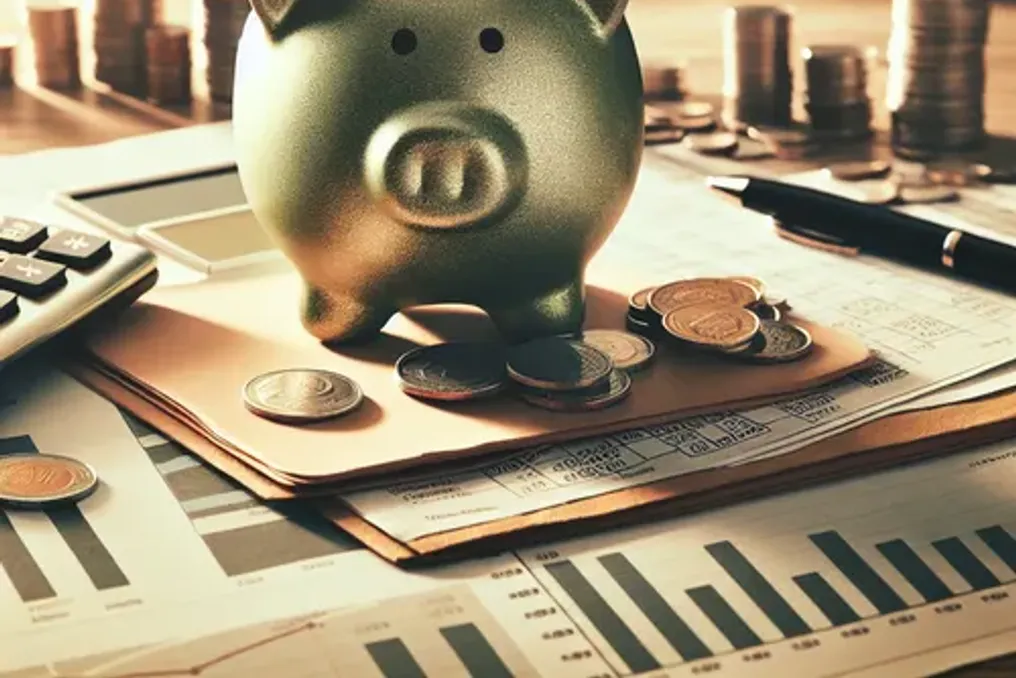
The month of July often brings two financial realities simultaneously: it is Savings Month, which usually implies the need to cut expenses, and tax season, when some residents of South Africa who received an automatic assessment from SARS may expect a refund.
Financial planning during savings periods
For households that are already managing expenses for petrol, groceries, school needs, loan repayments, and insurance, there may not be much left to cut from the budget. Savings Month should be viewed not only as a time to save but also as an opportunity to catch up on what was missed.
Those fortunate enough to receive a tax refund during this time often come up with a plan to spend the money multiple times over. While rewarding oneself is an important aspect, it is worth considering saving part of the amount or directing it towards paying off high-interest debts first.
Principles of using the refund
The essence is not to view every refund as sudden income that will instantly disappear. This moment must be used to check whether your current financial plan aligns with your lifestyle.
Consumers can start by answering three practical questions. The first question concerns determining where a lump sum, such as a refund from SARS, will have the greatest long-term impact. If a person has high-interest debts, using part of the refund to reduce the balance of a personal loan can lower the total debt amount and decrease the overall cost of borrowing. Although there may be a temptation to put the money on a credit card, these funds are often spent again within a short period. Direct debt repayment will likely bring more sustainable financial relief.
Changing life circumstances
The second question is whether your responsibilities have changed. The arrival of a new dependent, the need to support a parent, a change in rent, or a switch in a policy that no longer meets the household's needs can affect what requires protection.
The third question is what upcoming expense is expected. Whether it is school costs, annual insurance premiums, vehicle maintenance, or the holiday season, applying part of the tax refund to prepare for future spending can prevent unnecessary financial strain later in the year.
Controlling and managing finances
Catching up does not always mean making one big change. Sometimes it starts with understanding what payments are due, what has changed, and where a small adjustment can improve the next month or year. Digital financial tools can help by making balances, due dates, policy information, and available options more visible and manageable.
Savings Month should not cause guilt because life has become more expensive. It should serve as a reminder that control is often achieved through transparency, timeliness, and small decisions made before pressure arises.