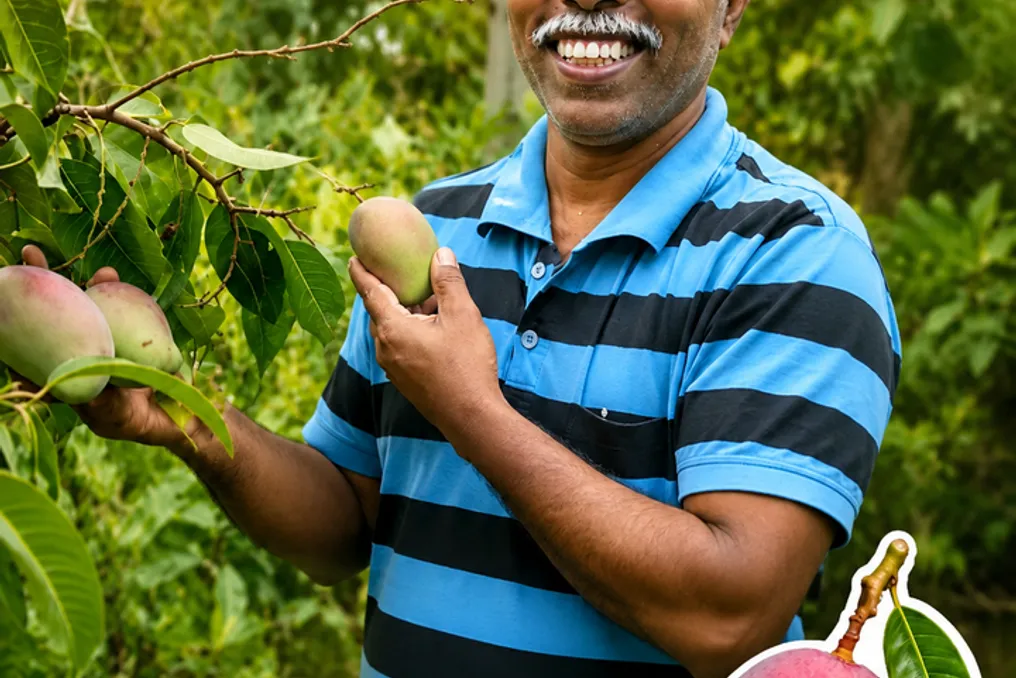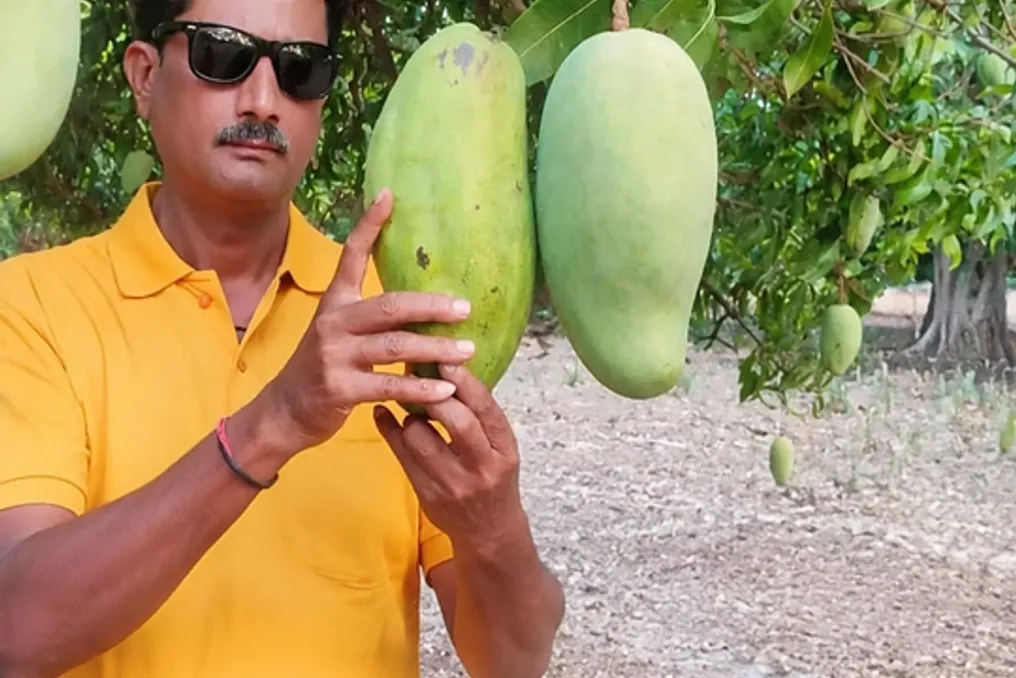
A giant mango can weigh more than a newborn baby, but today only a few farmers continue to grow the rare Nurjahan variety, thereby preserving an exceptional part of India's agricultural heritage.
Cultivation in Madhya Pradesh
Nurjahan mangoes, cultivated in Katvida, Madhya Pradesh, are among the largest in India. Each fruit can weigh from three to three and a half kilograms and reach a length of a foot. Farmers believe this variety arrived in India from Afghanistan via Gujarat hundreds of years ago before finding its ideal location in Madhya Pradesh.
The Jadhav Family's Legacy
At 'Noorjahan Mango Farms', Shivraj Singh Jadhav continues the work started by his father, who planted the first grafted sapling of this rare variety on their farm around 1965. Today, the family cares for five Nurjahan mango trees, as well as 33 other mango varieties on their 16-acre plantation, carefully safeguarding this disappearing ancient plant.
Sales and Variety Features
Each tree yields less than a hundred fruits. Together, the five trees produce about 350 mangoes, which are sold for prices ranging from 500 to 1500 rupees per piece, depending on size. According to Shivraj, the unique soil, rainfall, and climate of Katvida contribute to the survival of the Nurjahan trees, ensuring a harvest among the largest of their kind.
Recognition and Future of the Variety
The farm has attracted visitors for decades. Shivraj's father appeared on the Doordarshan channel between 1978 and 1981, and today thousands visit the plantation annually. One grafted sapling, planted many decades ago, has allowed this variety to spread far beyond Katvida, and the family's harvest now attracts buyers abroad. While popular varieties dominate the markets, the Jadhav family continues to preserve Nurjahan and identify other rare mango varieties that are slowly disappearing.