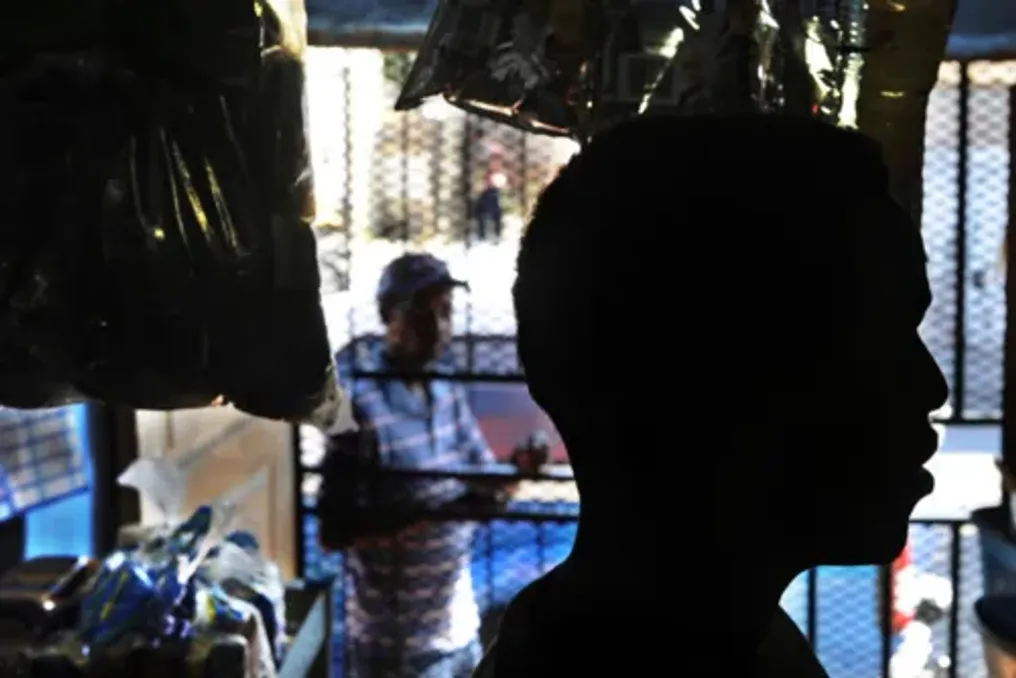
Despite growing anti-immigrant sentiment and ongoing protests, Somali shop owners in Du Noon are choosing to remain in South Africa, fearing a resurgence of xenophobic violence similar to that seen five years ago.
Reasons for the Migrants' Choice
Despite unbearable conditions, Somali migrants prefer to stay in South Africa rather than return to their homeland. Amir Sheikh, chairman of the African Diaspora Forum (ADF), noted that many Somalis choose to remain in South Africa, regardless of protests against illegal immigration.
The Situation in South Africa
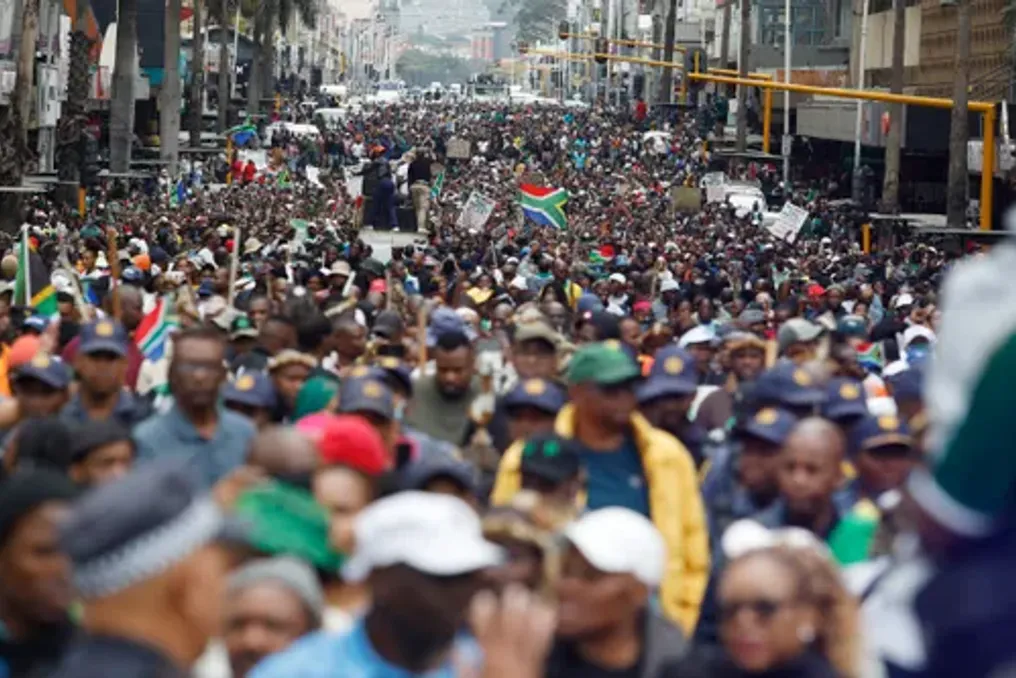
These statements came amid thousands of undocumented immigrants leaving the country following protests calling for foreigners to leave South Africa. Recently, South Africa has experienced public unrest, large anti-immigrant demonstrations, and strong government actions initiated by President Cyril Ramaphosa and Minister of Police Dr. Leon Schreber.
Demands and Tension
Activist groups such as March and March have set a deadline of 'June 30th' for all undocumented foreigners to leave. This has led to increased regional tension, reports of 'door-to-door' intimidation, and local conflicts in areas like Olivewood and the Overberg region in the Western Cape.
Reaction and ADF Opinion
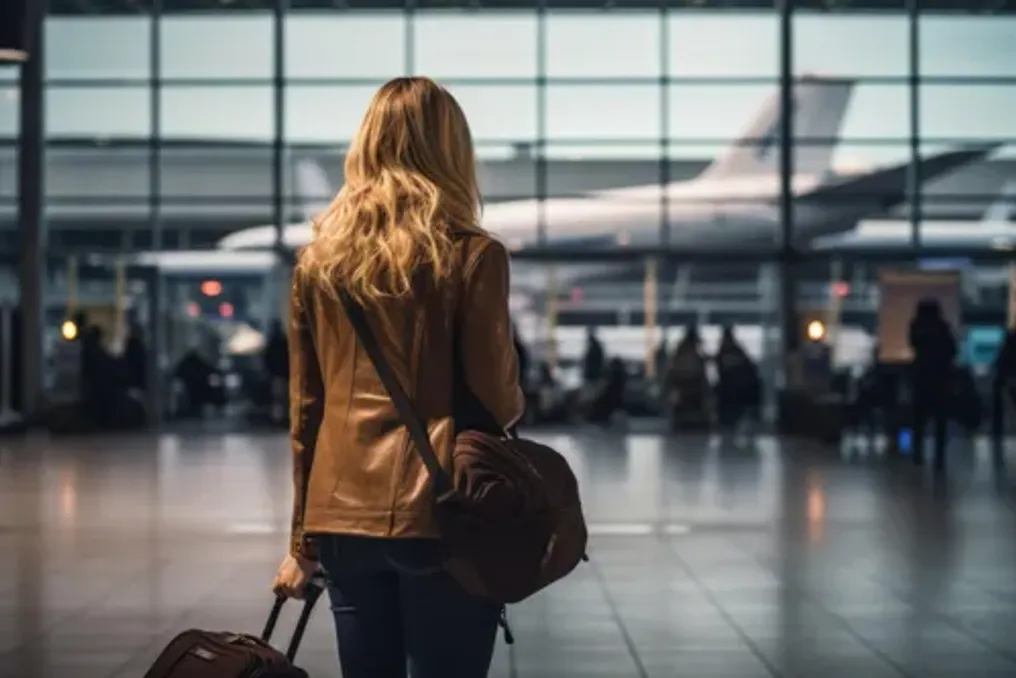
As thousands of foreigners are concerned about rising violence, they are either seeking asylum or deciding to leave these areas. Governments of neighboring African countries, including Malawi, Mozambique, Ghana, and Nigeria, have taken active measures, organizing buses and charter flights to evacuate their citizens. However, the ADF, a coalition of migrant groups representing about 70,000 migrants in the country, stated that Somali migrants are unlikely to return home, even with the departure of many undocumented immigrants from South Africa.
Comparison with Neighboring Countries
Sheikh explained that the situation for Somali migrants differs from that in neighboring countries because returning to Somalia is not a realistic option due to ongoing political turmoil and conflict. He emphasized that the circumstances faced by Somalis differ from those of people from neighboring states, as returning to Somalia does not seem a viable choice. Sheikh stated: 'Even if the situation is unbearable, we would prefer to stay here in South Africa than to go back home,' describing Somalis as a peaceful community that trusts South African law enforcement and welcomes the deployment of security forces during recent demonstrations.
Business Life and Rights
Sheikh added that Somali business owners closed their shops if they knew protest marches were passing through places like Mayfair in Johannesburg to avoid clashes. He noted: 'We will make sure that businesses are actually closed on that day,' and called for protesters to freely exercise their democratic constitutional rights while law enforcement maintains order.
Political Instability in Somalia
Human rights organizations warn that Somalia is heading towards greater political instability. Critics strongly oppose the government's planned electoral system reforms for 2026, believing they favor the incumbent president. If this deadlock continues, it could lead to increased violence. Internal conflicts among political leaders divert attention from key issues, such as the fight against Al-Shabaab—a highly resilient terrorist group and insurgent movement operating as a visible affiliate of 'Al-Qaeda'. Furthermore, this stalemate could cause a withdrawal of support from international sponsors of Somalia, weakening the stability of the federal government.