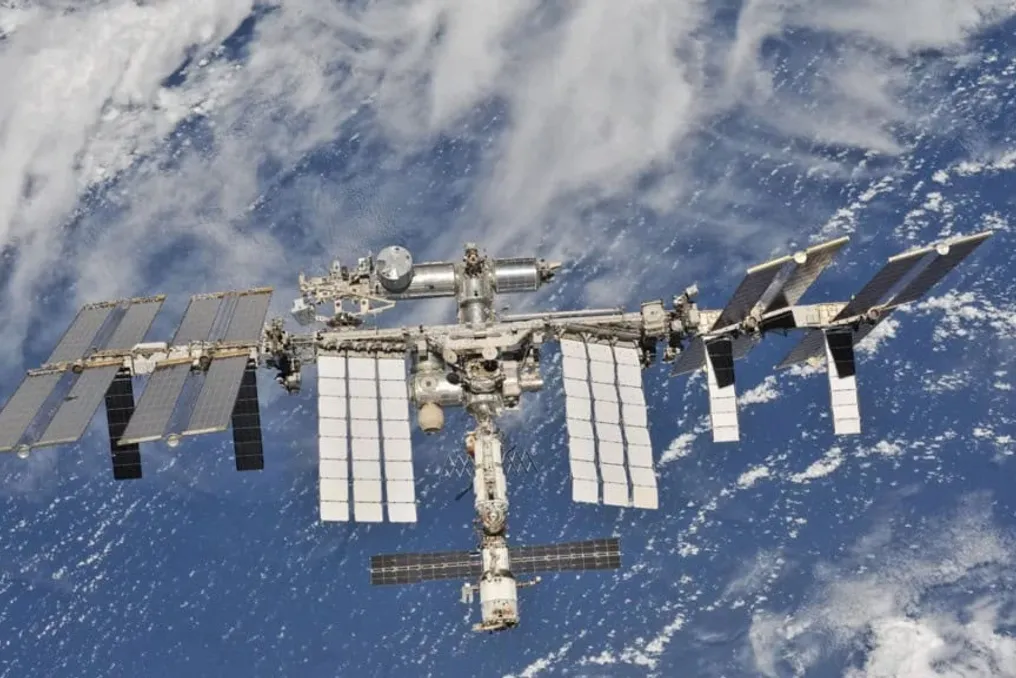
Russia conducted a crewed launch on Tuesday, the 14th, departing from the Baikonur Cosmodrome located in Kazakhstan. This mission is destined for the International Space Station (ISS).
Crew and Mission Composition
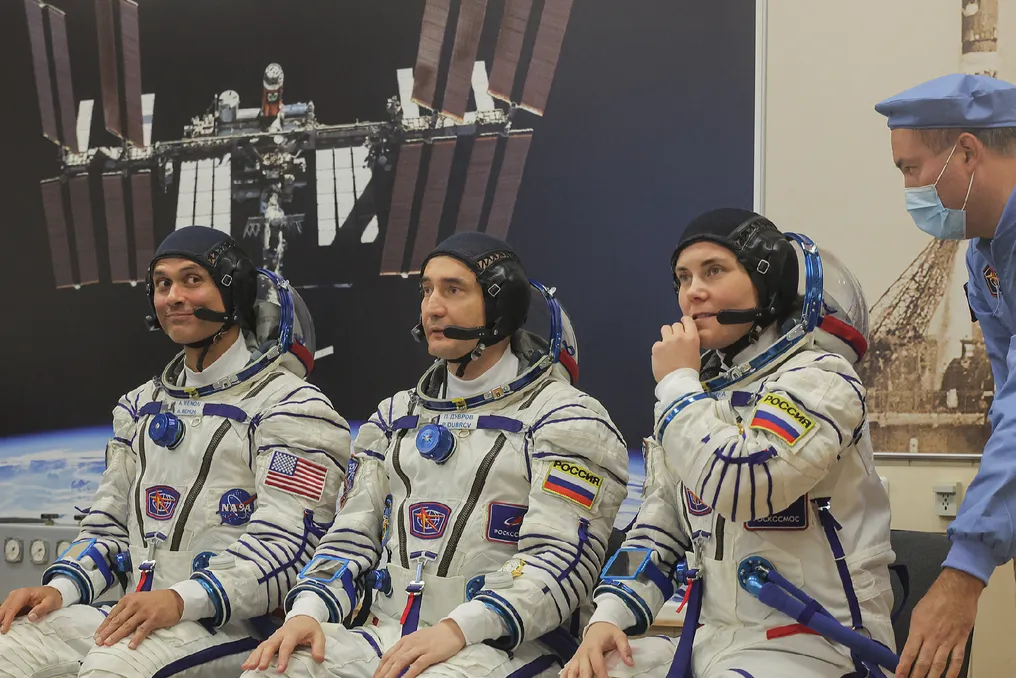
Aboard the Soyuz MS-29 spacecraft are NASA astronaut Anil Menon, along with Russian cosmonauts Pyotr Dubrov and Anna Kikina. These three members will be part of the station's 75th rotating crew.
This launch signals the reactivation of crewed flights from a launchpad that had recently been repaired after months of inactivity. The event was attended jointly by leaders from NASA and the Russian space agency Roscosmos.
Launch and Stay Details
Less than ten minutes after liftoff, Soyuz MS-29 reached orbit, beginning a journey of about three hours to the ISS, where docking will occur. The crew is expected to remain in the orbital laboratory for approximately eight months.
Presence of Space Agency Leaders
Jared Isaacman, administrator of NASA, traveled to Baikonur to monitor the launch and meet with Dmitry Bakanov, CEO of Roscosmos. This meeting marked the first visit by an American space agency leader to the Russian launchpad since 2018.
Tensions generated by the war between Russia and Ukraine were a factor that, in recent years, prevented Bill Nelson, who was NASA administrator under former US President Joe Biden, from participating in such meetings.
Anil Menon's First Space Flight
Mission Expedition 75 constitutes Anil Menon's first space flight; he is a 49-year-old NASA astronaut. There is a connection between Menon and Isaacman: in 2024, the NASA administrator participated, as a billionaire private astronaut, in the Polaris Dawn space mission, which took place in a SpaceX capsule.
On that occasion, Isaacman traveled with SpaceX engineer Anna Menon, Anil Menon's wife, and two other people on a private mission funded by him. This same mission also represented the resumption of crewed flights from Launchpad 31 at the Baikonur Cosmodrome.
Previously, when a crew was launched from this same location, the rocket caused considerable damage to the historic pad, temporarily rendering the only Russian complex capable of conducting crewed launches inoperable. Restoring the structure required several months of repairs. Activities at the pad resumed in March of this year, initially with the sending of an uncrewed cargo mission to the ISS. With the launch of Soyuz MS-29, crewed flights have returned to this facility.