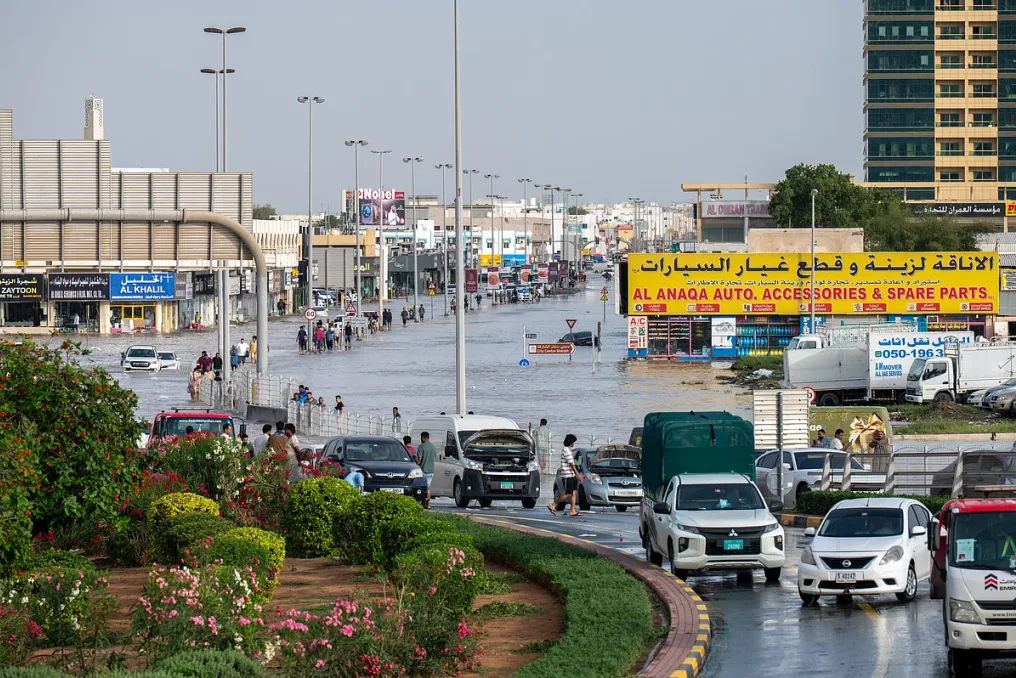
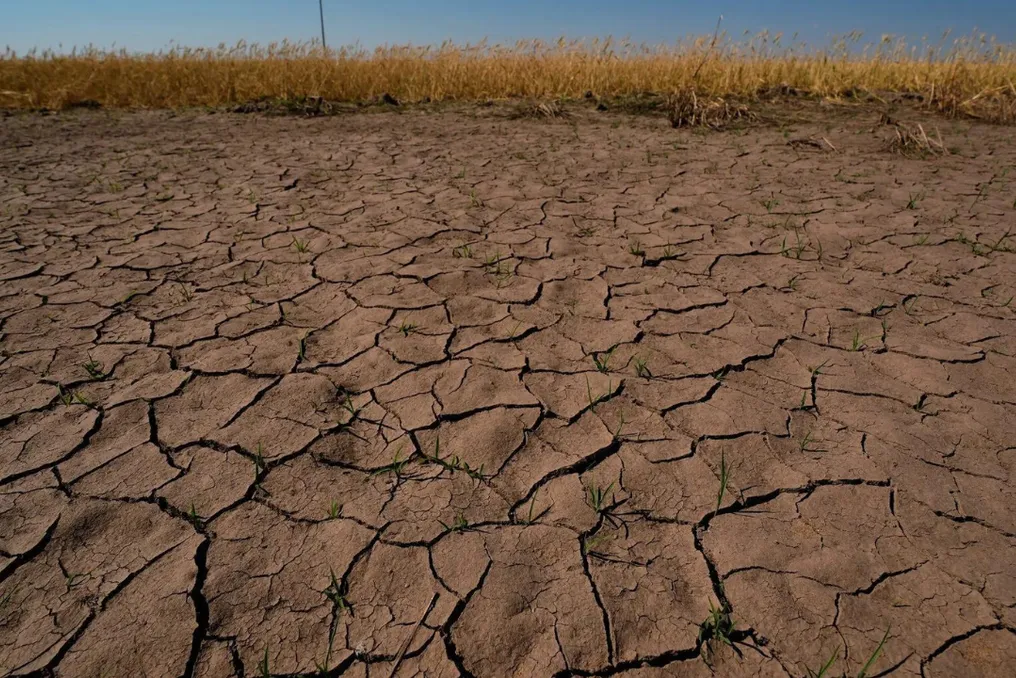
According to the latest update from the World Meteorological Organization (WMO), the 'rapid development' of the El Niño phenomenon is noted for the period from July to September. This increases the probability of heatwaves, droughts, and other extreme weather events in many regions of the world, including the Indian subcontinent.
Impact of El Niño on India
India has already felt the effects of El Niño in June, which led to a significant rainfall deficit of 40% for that month. This negatively affected sowing operations for almost all Kharif season crops, reducing the country's total sown area by approximately 23% compared to the same period last year.
El Niño is a natural climate pattern characterized by warmer sea surface temperatures in the central and eastern equatorial Pacific Ocean. This phenomenon is always associated with a weak monsoon and a hotter summer in India. Such events occur every two to seven years and typically last from nine to twelve months.
Forecasts and Risks
WMO Secretary-General Celeste Saulo stated that El Niño conditions already exist and are predicted to rapidly intensify into a strong event. This, in turn, will increase the chances of drought and heavy rainfall, as well as the risk of heatwaves both on land and in the marine environment in many parts of the world.
Although the rainfall deficit in India is expected to gradually decrease due to the spread of the monsoon across the country and other meteorological factors in July-September, the state of Kharif crops will depend on both the quantity and spatial distribution of rains in the 'monsoon core zone'—the area where agriculture heavily relies on seasonal precipitation.
Agricultural Status and Response Measures
According to the Ministry of Agriculture, on June 25, the total sown area was 182 lakh hectares, which is 23% less than the 236 lakh hectares recorded the previous year. All major crops—rice, pulses, oilseeds, coarse grains (sorghum and maize), and cotton—showed a smaller sown area this year compared to last year.
The largest reduction in sowing was recorded for oilseeds (53%), followed by cotton (35%), pulses (30%), rice (25%), and coarse grains (12%) compared to the sown area in 2025.
Against the backdrop of an increasing risk of a weak monsoon due to El Niño, Union Home Minister and Cooperation Minister Amit Shah reviewed the situation regarding rainfall deficit and its impact. He reported that the government is continuously monitoring the situation of below-normal rainfall and 'potential drought conditions in certain parts' of the country.
Directives for Ministries
Shah directed the Ministry of Agriculture and all related departments, including the Ministry of Water Resources (Jal Shakti) and the energy department, to remain vigilant and coordinate actions with state governments. The goal is to advise farmers on selecting suitable crops under the prevailing conditions, emphasizing alternative crops that require less water, such as fodder, sorghum, and pulses.
Since the rainfall deficit in June led to a sharp decline in water reserves in the country's main reservoirs, including those with hydropower generation potential, Shah instructed officials of the Water Resources Department to 'monitor all reservoirs across the country' and directed the Secretary of Energy to 'take necessary measures to ensure uninterrupted and adequate power supply.'
Union Agriculture Minister Shivraj Singh Chouhan also participated in the meeting and, as it was reported, provided detailed information on measures to mitigate the impact of El Niño-related rainfall deficits on agricultural activities. He also informed that the country has sufficient stocks of essential food grains, including rice and wheat, and prices of essential commodities remain stable.
Damage Assessment in the Northeast
Considering the impact of heavy rains in some parts of Northeast India, Shah ordered the Inter-Ministerial Central Group of the Ministry of Home Affairs to be dispatched to Assam and Arunachal Pradesh to assess the damage caused by recent heavy rains, flash floods, and landslides. Both states have been affected: Assam is experiencing rising water levels in several districts, while Arunachal Pradesh faces landslides and road blockages in several hilly areas.