A Xiaomi smartphone with 512 GB capacity is ideal for users who need ample space to record high-definition videos, store heavy games, and keep large photo collections without worrying about running out of memory.
However, the mere amount of storage does not define the device's performance; it is crucial to evaluate the processor and RAM to understand its operational power. For those who prioritize photography, the specifications of sensors, lenses, and other available features must be observed.
Guide to 512 GB Models
This detailed guide examines the manufacturer's main devices that offer 512 GB of storage and are available in the Brazilian market, seeking a balance between performance, camera quality, battery life, and cost-benefit ratio.
Model Highlights
The Xiaomi 17T is presented as the most sophisticated model from the brand officially marketed in Brazil. In addition to 512 GB in UFS 4.1 standard, it incorporates the powerful MediaTek Dimensity 8500 Ultra chip and a 6.59-inch AMOLED screen with a peak brightness of 3,500 nits. A strong point is the optical lenses developed in collaboration with Leica, including a 50 MP periscope camera with 5x optical zoom. Its silicon-carbon battery has 6,500 mAh and supports 67W charging.
The Poco X8 Pro is aimed at gamers and enthusiasts looking for maximum performance. It combines the Dimensity 8500 Ultra chipset with a 6,500 mAh battery and 100W HyperCharge ultra-fast charging, capable of reaching 100% in less than 50 minutes. Its metal chassis has IP68/IP69K certification against dust and water, and the 1.5K screen with a 120 Hz refresh rate ensures maximum fluidity.
The Xiaomi 15T remains a refined and well-balanced option. It is equipped with the Dimensity 8400 Ultra processor and a 6.83-inch AMOLED panel protected by Gorilla Glass 7i. The triple photographic system also bears the Leica stamp, featuring a 50 MP Light Fusion 800 main sensor that produces impressive night shots. This model has a 5,500 mAh battery and 67W charging.
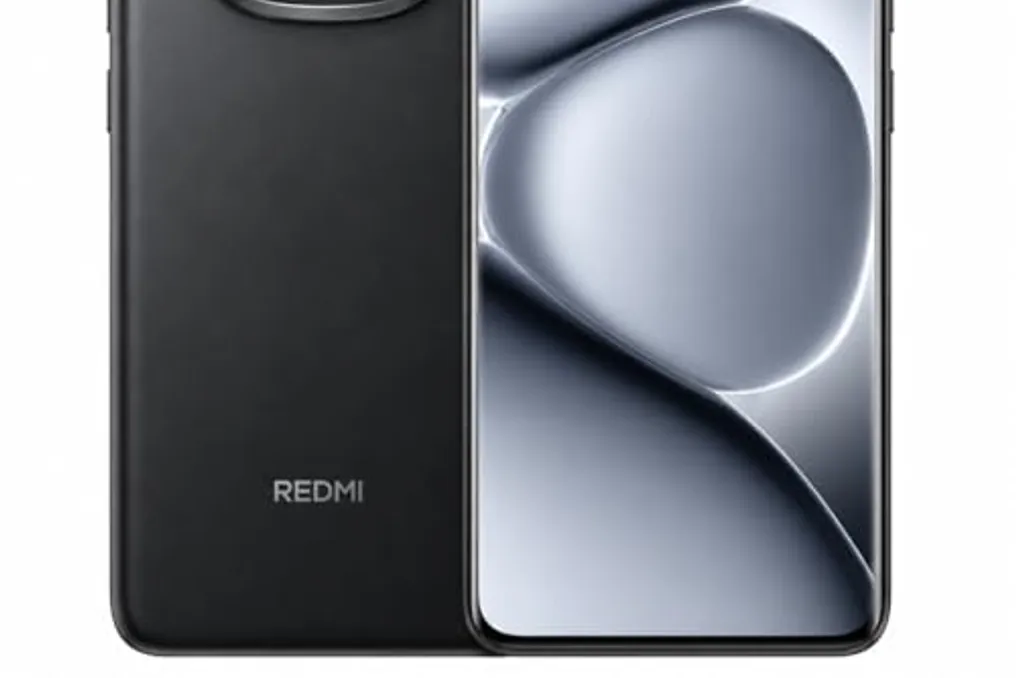
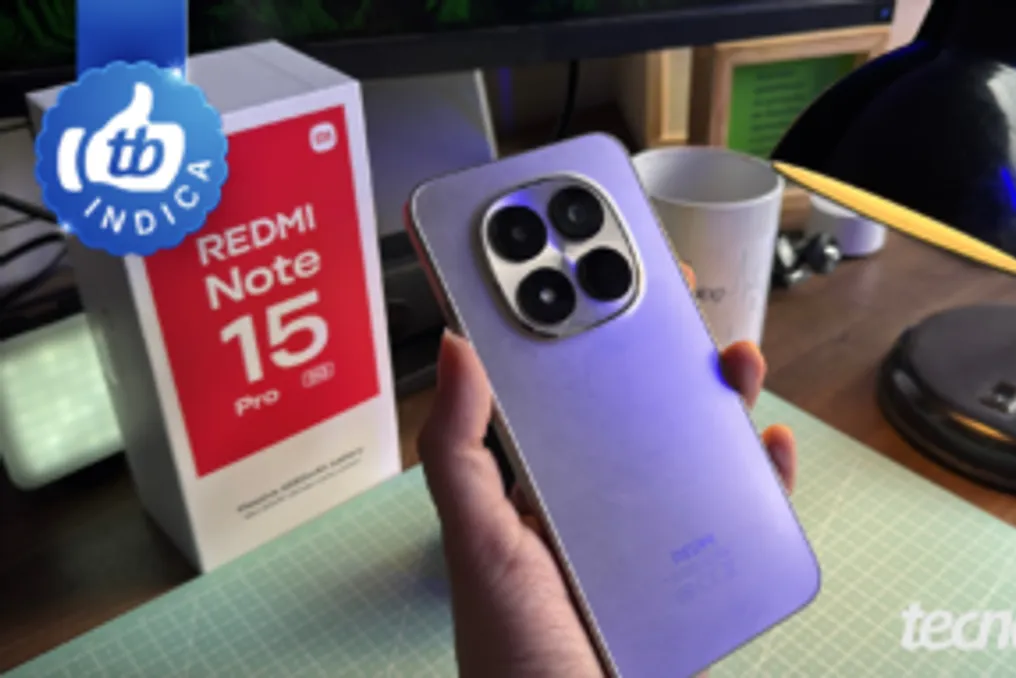
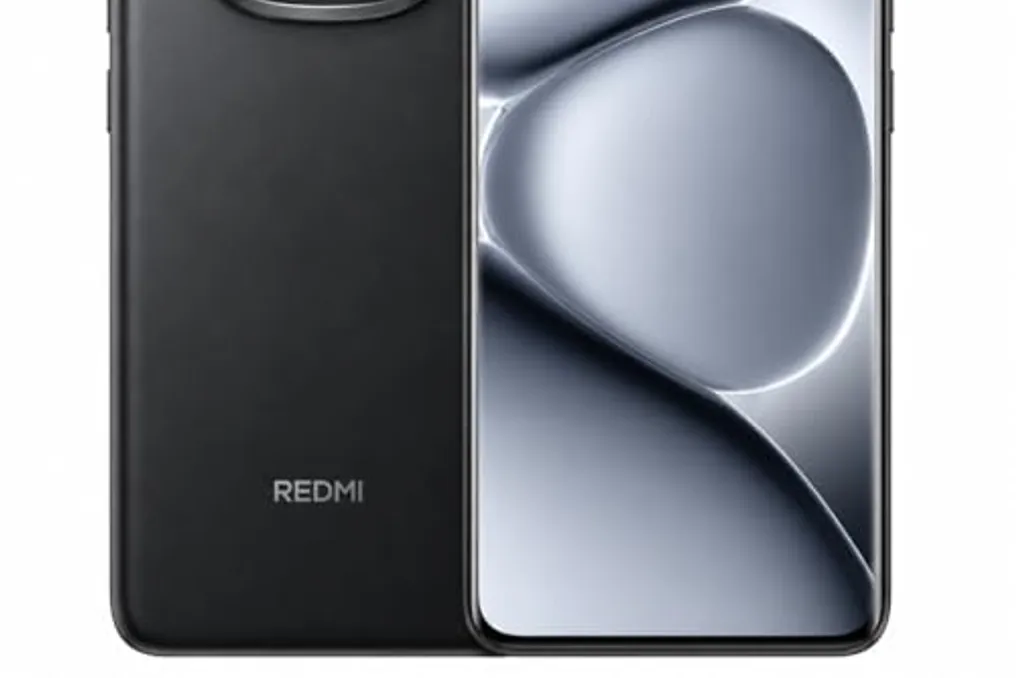
For the mid-range audience, the Redmi Note 15 Pro offers 512 GB of storage and quality cameras at an affordable price. It stands out with a 200 MP main sensor with optical stabilization (OIS), preventing blurry photos. Although it uses the efficient Dimensity 7400-Ultra processor, its storage standard is UFS 2.2, which implies lower data transfer speeds than the others listed. Autonomy is guaranteed by a robust 6,580 mAh battery, displayed on a 1.5K CrystalRes AMOLED screen.
The Poco X7 Pro, launched in 2025, remains a smart choice for those seeking high performance, especially in promotions near R$ 2 thousand. This Xiaomi smartphone promises high performance with 512 GB of storage in UFS 4.0 standard, 12 GB of LPDDR5X RAM, and the MediaTek Dimensity 8400 Ultra chipset (4 nm). To sustain long gaming sessions or intensive multitasking without frame loss due to overheating, it integrates LiquidCool 3.0 liquid cooling technology with a generous vapor chamber.
The Poco X7 serves as the most competitive entry option for those requiring 512 GB, using the UFS 3.1 standard for fast transfers. It is powered by the MediaTek Dimensity 7300-Ultra chipset, which offers good energy efficiency and 5G network support. Visually, it is strong, featuring a 6.67-inch AMOLED screen with 1.5K resolution, 120 Hz refresh rate, and Dolby Vision support, reaching a maximum brightness of 3,000 nits. Its battery has 5,100 mAh and is compatible with 67W fast charging via USB-C.
The Poco M8 is the most economical Xiaomi model for those who do not want to give up 512 GB. It uses the UFS 2.2 memory standard and the mid-range Snapdragon 6 Gen 3 processor, but includes 8 GB of RAM to prevent crashes in basic and medium tasks. For daily recording, the device has a 50 MP main camera assisted by artificial intelligence for scene optimization. The battery is 5,000 mAh and supports 18W fast charging.
Criteria for Choice
When evaluating Xiaomi options, it is essential to focus on three aspects beyond internal storage. Firstly, Processor and Line: the Xiaomi line (formerly Mi) focuses on premium features and advanced cameras; the Poco line prioritizes gamer hardware and raw performance; and the Redmi Note line seeks intermediate balance with a focus on screen and battery.
Secondly, Battery Technology: it is recommended to favor the most recent models that use silicon-carbon (Si/C) batteries, as they offer higher energy density, allowing capacities up to 6,500 mAh without making the device excessively bulky or heavy.
Finally, Memory Speed: it is essential to check if the model uses fast storage standards, such as UFS 4.0 or higher, to ensure that reading and writing large files, such as 4K videos, occur without interruptions.
Best Camera and Battery
The Xiaomi 17T leads in photography, thanks to its partnership with Leica, which enhances color fidelity. The inclusion of a 50 MP periscope telephoto sensor with 5x optical zoom allows capturing distant objects with extreme sharpness, surpassing rivals in the same price range.
Regarding the largest battery, the Redmi Note 15 Pro takes the top spot with its 6,580 mAh cell. The Xiaomi 17T and Poco X8 Pro are very close, both having 6,500 mAh silicon-carbon batteries, which provide excellent energy autonomy and thermal management via HyperOS.
Cost-Benefit and Gaming
The Poco X7 Pro and Redmi Note 15 Pro share the title of best cost-benefit. The former offers the most powerful hardware for the investment, while the latter provides a superior screen and a 200 MP camera without costing the price of a flagship device.
Poco models with 512 GB are suitable for gaming, as the Poco sub-brand is specifically designed for the gaming audience. Devices like the Poco X8 Pro incorporate liquid cooling systems, high touch sampling rates on the screen for immediate response, and processors tuned to maintain stable frame rates (FPS) even after long gaming sessions.
Memory Expansion
In the vast majority of current models in this category, memory expansion is not possible. Xiaomi and other manufacturers have removed the MicroSD card slot from premium and advanced mid-range devices. Technically, this occurs because external memory cards are significantly slower than internal UFS 4.0 storage, which would compromise overall system performance. However, 512 GB is already more than enough for most users.