Amazon announced on Wednesday (15) an agreement intended to make its satellite internet service available in South Africa, scheduled to begin in 2027. This initiative aims to expand the reach of the Amazon Leo service in the African continent, positioning Jeff Bezos' company ahead of Starlink in the South African market.
Partnership and Expansion Strategy
The implementation of this service will be carried out through a collaboration with the local provider Herotel, which will be responsible for offering the service in the country. This move marks the first commercial commitment of Amazon Leo in the African continent. Although the values of the partnership have not been disclosed, Amazon confirmed that this project is part of its international growth strategy; the service was previously known as Project Kuiper.
Regulatory Impasse for Competitor
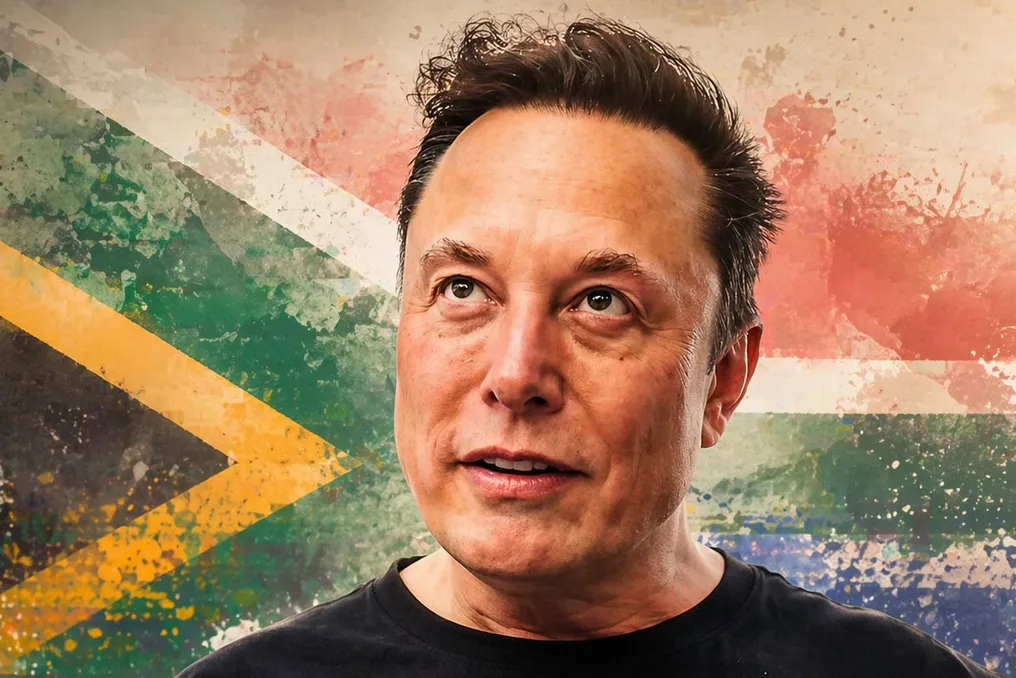
Amazon's arrival comes amid a regulatory dispute involving Starlink. Elon Musk's company has not yet been able to start operations in South Africa due to failure to meet the corporate participation requirements established by national legislation. South African regulations stipulate that international companies in the sector must cede a minority stake of their activities in the country to black investors or historically disadvantaged groups. This determination is part of affirmative action policies implemented after the end of apartheid, a period marked by the concentration of economic and political power in the white population.
Reactions and Operational Differences
Musk alleged that this requirement prevented Starlink from entering the South African market, accusing the local government of adopting a racist stance towards him, criticizing the economic inclusion policies. In contrast, Bezos' company received official support from South African authorities, with the Minister of Communications, Solly Malatsi, present at the announcement of the partnership between Amazon and Herotel, along with representatives from both corporations.
Scale of Operation and Global Reach
Differences between the companies are also visible in the scale of their operations. Amazon began launching its low-earth orbit satellites last year and reported having over 390 operational units. Starlink started its activities in 2019 and declared it operates with over 10 thousand satellites in orbit. Despite the rival's superiority in satellite volume and global coverage, Amazon focuses on increasing its presence in nations where connectivity still presents restrictions. The African continent has over 1.5 billion inhabitants, many of whom live in rural areas or without access to fixed internet networks.
Future Plans for Amazon
In addition to South Africa, Amazon Leo already has plans or agreements to operate in several other countries, including Thailand, Kazakhstan, Australia, Argentina, Brazil, Chile, Colombia, Ecuador, Peru, and Uruguay. The company has also established a partnership with Vanu Inc., an American company specializing in mobile internet solutions for developing nations. Even with Amazon's expansion, Starlink maintains a prominent position in the sector, with its service available in over 160 countries, covering about two dozen African markets, although it has not yet reached South Africa.