It has been reported that the OnePlus brand will begin ceasing operations in the US and European markets. This move is part of a larger restructuring being carried out by its parent company, Oppo, amid slowing sales and geopolitical difficulties.
It has been reported that the OnePlus brand will begin ceasing operations in the US and European markets. This move is part of a larger restructuring being carried out by its parent company, Oppo, amid slowing sales and geopolitical difficulties.
According to an informed source who wished to remain anonymous, the cessation of OnePlus operations could begin as early as this week. Although OnePlus will maintain its presence in China, plans are underway to extend the brand's closure to other global regions, including India, sometime in 2027.
Another Oppo mobile business, Realme, will also be leaving the Chinese market. Representatives from Oppo and OnePlus declined to comment on the matter.
The basis for these decisions stems from financial issues within the company's phone divisions, as well as a lack of growth momentum in the US, Europe, and India. Furthermore, there are concerns related to the sale of the Chinese phone brand in the US, as well as a lawsuit from Apple Inc. concerning trade secrets.
As part of the changes, Oppo will concentrate its efforts on Central Europe and will promote Realme devices in the Nordic region, which includes Finland, Denmark, Sweden, and Iceland, where the company has achieved greater success.
Although OnePlus was once a popular player among tech enthusiasts and Android fans, its influence in the smartphone market has significantly weakened in recent years. In the US, Apple and Samsung Electronics Co. dominate, while OnePlus lags far behind smaller competitors such as Motorola from Lenovo Group Ltd. and Google from Alphabet Inc.
Oppo has shown better results in China, although it trails market leaders Huawei Technologies Co. and Apple. Nevertheless, the rising cost of memory and phone prices has led to a decline in smartphone sales. According to IDC data, device shipments in China fell by 4.3% in the second quarter compared to the same period last year.
Component shortages have also complicated the development of budget models for phone manufacturers, which were central to the OnePlus 'Nord' line. Early OnePlus models received positive reviews due to a combination of reliable performance, clean software, and affordable pricing. However, the recent flagship device, the OnePlus 15, faced launch issues in the US, which was delayed due to last year's government shutdown.
ConectCar has introduced ConectCar Free Flow Moto, which is the first solution in the Brazilian market dedicated to automating the payment of motorcycle tolls on highways operating under the Free Flow system.
This technology, which is initially being tested with a specific group of clients, eliminates the need for manual payment after passing through the toll booths and reduces the risk of motorcyclists receiving fines for non-payment.
Currently, those traveling by motorcycle on Free Flow highways without a tag must identify the concessionaire responsible for the stretch, access the payment channels, and settle the toll within a maximum period of 30 days. If this period is exceeded, the situation is classified as toll evasion, according to Article 209-A of the Brazilian Traffic Code. This serious infraction results in a fine of R$ 195.23 and the addition of five points to the driver's license.
The complexity of this procedure has caused difficulties, leading the federal government to suspend over 3 million such fines at the beginning of 2026, highlighting the need that the new tool aims to solve.
With ConectCar Free Flow Moto, the user only needs to register their motorcycle's license plate on the company's platform. Based on this registration, the system automatically identifies passage through the Free Flow stretches and charges the toll using the balance available in the ConectCar account, dispensing with any action from the driver during or after the trip.
The service will be made available in MVP (Minimum Viable Product) format, a phase focused on validation and continuous improvement of the technology. Initially, the functionality will be limited to a selected group of clients who will receive an invitation to participate.
The solution is compatible with highways that already charge tolls for motorcycles in Free Flow, covering stretches managed by concessionaires such as CCR RioSP, Caminhos da Serra Gaúcha, and EPR Sul Minas, among others. It is important to note that it does not operate at traditional toll plazas with physical barriers, nor in parking lots.
This launch accompanies the expansion of the free flow model in the country, which currently covers more than 19 highways and has increased the demand for simpler payment methods due to the absence of booths and barriers.
ConectCar reports having a presence on 100% of tolled highways and in over 1,300 parking lots nationwide. Furthermore, the company is responsible for the tag technology used by institutions such as Itaú and Porto. With this innovation, the company expands its scope beyond tag-based solutions, strengthening its position as a technology provider for urban mobility.
Thousands of Nubank users reported difficulties with the platform during the night of this Wednesday, the 15th. The greatest customer dissatisfaction is related to the functioning of Pix, which was experiencing failures.
The Downdetector website, which monitors the real-time status of various services and platforms, registered almost three thousand complaints from Nubank users regarding these issues.
Social media also recorded several complaints about the Pix issue.
Olhar Digital contacted both the Central Bank (BC) to verify if Pix was facing problems on other platforms, and Nubank itself. The bank informed that it is aware of a temporary instability and is actively working to restore services as quickly as possible. An official statement from the Central Bank is still awaited.
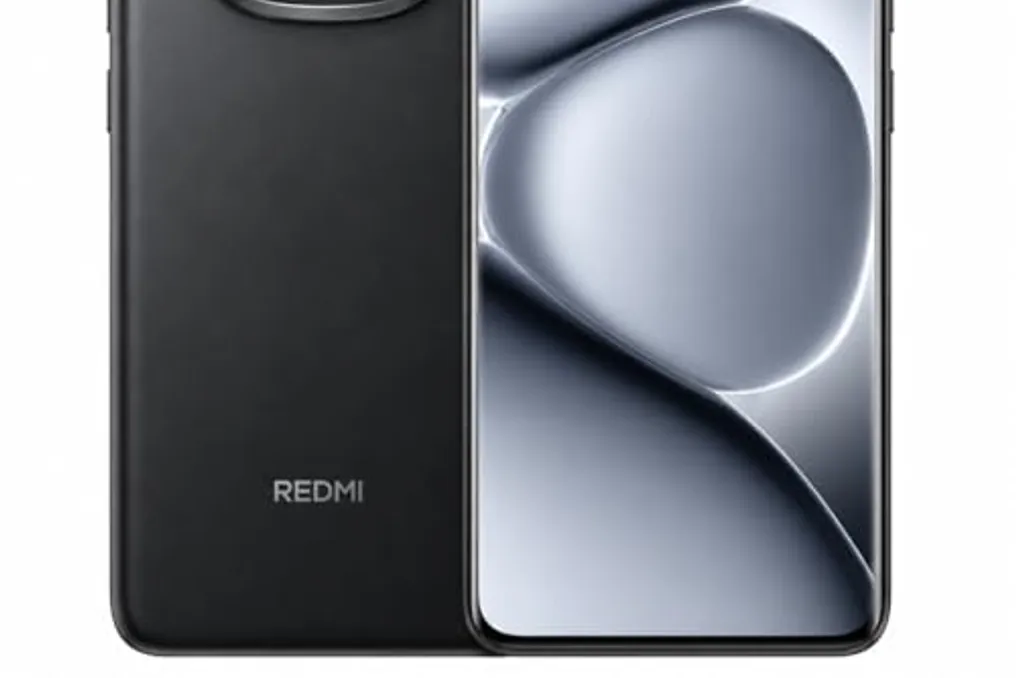
Xiaomi has strengthened its presence in the Brazilian market by offering devices that combine contemporary design, good performance, and ample storage capacity. For those looking for a new phone, three options from the brand have been selected, currently available on Amazon, all equipped with 8GB of RAM and 256GB of internal memory.
The Redmi Note 15 was launched to reinforce Xiaomi's mid-range category, maintaining the configuration of 8GB of RAM and 256GB of storage. This setup ensures smooth navigation between applications, in addition to offering plenty of space for photos and games. Its black version gives it a sober yet stylish appearance.
The Redmi 15C model in Midnight Black offers an affordable alternative without compromising the robust specifications of 8GB of RAM and 256GB of ROM, making it suitable for daily use. It is recommended for those who wish to start with the Redmi line with good performance and a discreet look.
Additionally, there is the Redmi 15C in Moonlight Blue, ideal for those who prefer a touch of color. Maintaining the same RAM and storage specifications as the other models in the line, this bluish version stands out for its vibrant finish.
It is important to note that stock in promotions like these tends to sell out quickly on Amazon. Therefore, if any of these devices spark interest, it is recommended to check availability immediately. The article also informs that it contains links generated by an affiliate program, but emphasizes that this does not change the value for the consumer.