With the advancement of age, the immune system decreases its response capacity, making vaccine updates a crucial strategy to prevent serious illnesses, hospitalizations, and deterioration of quality of life. After turning 60, the body undergoes natural changes that compromise the functioning of organic defense, facilitating infections and their consequences.
Understanding Immunosenescence
This phenomenon is called immunosenescence, characterized by the progressive reduction of the organism's defensive capacity. According to Dr. Alfredo Gilio, coordinator of the Immunization Clinic at Einstein Israelite Hospital, just as muscle strength is lost, the immune system ages, increasing susceptibility to infections and decreasing the effectiveness of the body's response to them.
Dr. Isabela Ballalai, director of the Brazilian Society of Immunization (SBIm), emphasizes that vaccines help the body produce antibodies, offering protection upon contact with infectious agents.
Risks Associated with Advanced Age
In addition to immunosenescence, many elderly people deal with chronic conditions such as hypertension, diabetes, and cardiovascular problems, factors that intensify the danger of complications. Gilio points out that the flu in a young, healthy adult differs significantly from the flu in someone over 60, since the risk of pneumonia, need for hospitalization, and even death is higher.
Specific Vaccination Recommendations
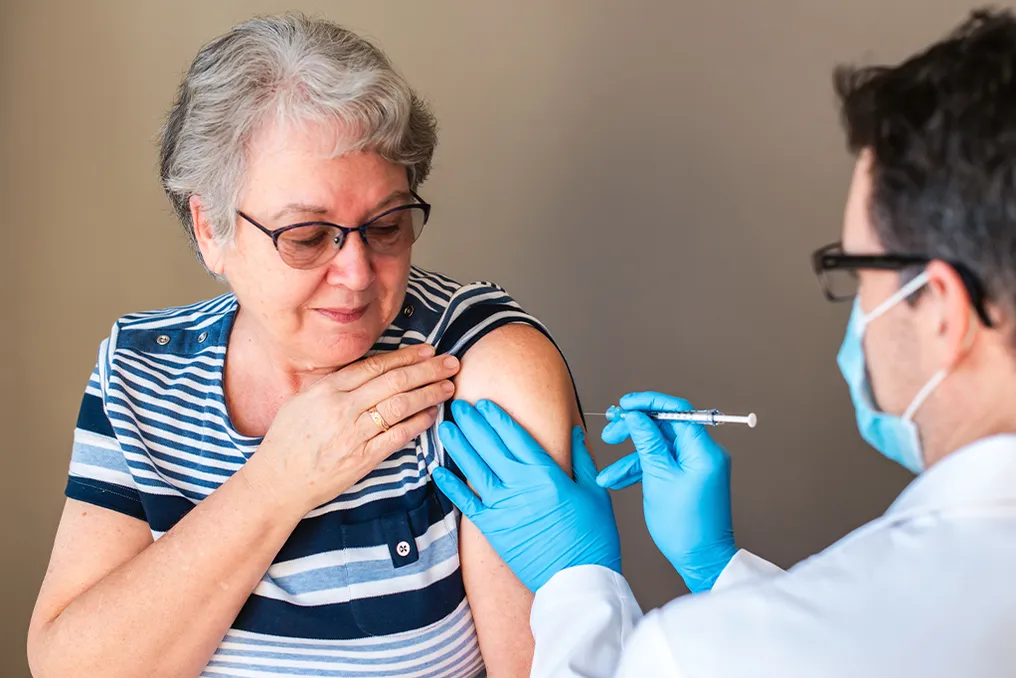
Among immunizers, the influenza vaccine is the main suggestion for this group, especially during months of higher circulation of respiratory viruses. This annual application is part of the national immunization schedule established by the Ministry of Health. Pneumococcal vaccines aim to prevent pneumonias caused by pneumococcus and are relevant in this age group. However, in the public network, this immunizer is only accessible to bedridden elderly or residents of long-term care institutions.
COVID-19 vaccination remains recommended for those over 60 and is available only through the Unified Health System (SUS). Alfredo Gilio highlights that a large portion of COVID deaths and severe cases concentrates in this population, justifying the importance of boosters every six months.
Vaccination Schedule in SUS and Private Sector
Within the SUS framework, the National Technical Vaccination Schedule for the Elderly covers immunization against hepatitis B, and, in specific situations, double bacterial vaccines (tetanus and diphtheria), yellow fever, triple viral (measles, mumps, and rubella), and varicella. For those with access to the private sector, vaccination against herpes zoster, a painful disease caused by the reactivation of the chickenpox virus, and respiratory syncytial virus (RSV), responsible for severe respiratory infections in the elderly, is recommended.
Mortality and Coverage Data
Although children present the highest volume of severe acute respiratory syndrome (SARS) cases, individuals over 65 years old register the highest mortality rate, predominantly due to influenza A. Reports from the Infogripe Bulletin, from the Oswaldo Cruz Foundation (Fiocruz), dated July 2, indicate an increase in SARS cases among the elderly in the cities of Belém, Belo Horizonte, Curitiba, Manaus, and Rio de Janeiro.
The outlook is worsened by low vaccination coverage rates: according to the Ministry of Health's Influenza Vaccination Strategy panel, immunization of the elderly over 60 did not reach 50% in the 2026 campaign.
Barriers to Prevention
Several factors contribute to this reality. A doctor from Einstein mentions the persistent belief that vaccines are an exclusive topic for children, ignoring that immunization is part of healthcare in adulthood and aging. Ballalai adds that many people over 60 are unaware of the existence of a specific vaccination schedule for this age group, as they grew up without vaccines directed at adults. She stresses that it is vital for health professionals to review the vaccination history in every consultation.
Low risk perception is also an obstacle, as, according to the SBIm director, it is difficult to seek prevention when the disease ceases to be seen by people. However, Alfredo Gilio concludes that it is never too late to update the vaccination record, as preventing diseases through immunization is a way to preserve autonomy, quality of life, and promote healthier aging.