Artificial intelligence is being increasingly implemented in the healthcare sector. The new generation of hearing aids now uses machine learning to help users distinguish speech amidst noise, rather than simply amplifying sounds.
Artificial intelligence is being increasingly implemented in the healthcare sector. The new generation of hearing aids now uses machine learning to help users distinguish speech amidst noise, rather than simply amplifying sounds.
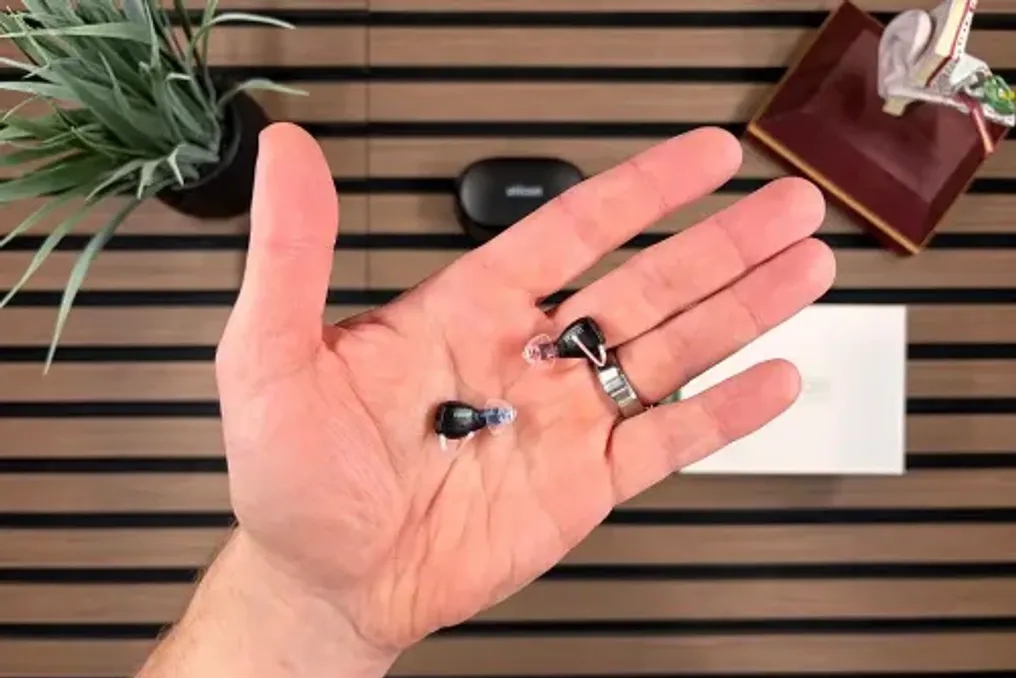
The hearing aid manufacturer Oticon has introduced its latest product, Oticon Zeal, powered by AI, to the South African market. The company claims that the device has been trained on millions of real acoustic environments, allowing it to process surrounding sounds and speech in real time.
Unlike traditional hearing aids, which primarily function as sound amplifiers, AI-supported devices analyze various listening conditions, prioritizing speech while simultaneously reducing background noise levels. According to Oticon, the hearing aid constantly monitors the sounds around the user, ensuring clearer conversations while maintaining awareness of the environment.
Hawa Bibi Mohammed, a qualified audiologist and corporate trainer at Oticon, noted that advancements in processing technologies have allowed complex auditory functions to be integrated into significantly more compact devices. She emphasized that the second generation of AI-based sound processing is designed so that users can hear conversations more naturally and clearly, even in challenging listening environments.
The company bases its technology on the BrainHearing approach, which aims to support how the brain processes sound, rather than just increasing volume. Listening fatigue is a known issue for many people with hearing impairments, especially in noisy places such as restaurants, workplaces, or family gatherings, where separating speech from noise requires significant mental effort. Manufacturers are increasingly stating that AI can help solve this problem by adapting to changing sound conditions in real time.
The latest generation of hearing aids is becoming more integrated. Oticon Zeal supports audio streaming via Bluetooth Low Energy Audio from compatible smartphones and tablets. Furthermore, it is designed to support Auracast—an emerging wireless broadcasting technology that could potentially allow compatible devices to receive an audio signal directly from public venues like cinemas, airports, and gyms where the necessary infrastructure exists.
The device has recharging capabilities and provides up to 20 hours of operation on a single full charge, while also supporting fast charging. The release of this product reflects a broader shift in medical technology, as artificial intelligence moves beyond consumer applications, such as chatbots and virtual assistants, and penetrates the field of medical equipment, diagnostics, and patient care. Oticon is part of the international hearing healthcare company Demant Group.
NASA has accelerated preparations for the Artemis 3 mission, with various assembly activities taking place at the Kennedy Space Center (KSC) in Florida, United States. According to an update released on Monday (13), the progress of the work is described as being 'in full swing.'
This mission is scheduled to take place in mid to late 2027 and will carry four astronauts into low Earth orbit. They will travel aboard the Orion spacecraft, manufactured by Blue Origin, a company owned by Jeff Bezos, and will be launched using the Space Launch System (SLS) rocket. Artemis 3 represents the second crewed mission of the Artemis program, whose fundamental purpose is to establish a lasting human presence on the Moon.
The central stage of the SLS rocket arrived at KSC at the end of April and was subsequently connected to the engine block in May. In June, the first two of the four RS-25 engines for the central stage were delivered. The installation of the remaining engines on this block will only occur after their arrival, at which point NASA plans to begin integration with the Mobile Launcher Platform (MLP) and conduct operational launch tests.
Additionally, in June, a temporary protective cover was provided to safeguard the stage during transport to the launch pad for testing before the vehicle is fully assembled. The lower segments of the two Solid Rocket Boosters (SRBs) were recently delivered and are already fixed to the MLP. The upper segments arrived at KSC by train in June and will undergo inspections and tests before the boosters are fully assembled.
In the Neil Armstrong Operations and Checkout Building within KSC, engineers finalized the installation of the Orion spacecraft's heat shield. Artemis 3 will be the first Orion mission to use a revised heat shield, incorporating design improvements based on the analysis of unexpected wear observed on the shield used in the Artemis 1 mission.
The Orion service module is also located in the Operations and Checkout Building and recently completed its acoustic tests. Both the service module and the capsule are being prepared to be joined and subsequently transported to the VAB for final assembly.
In the operations area, the Artemis 3 team at KSC has begun conducting monthly countdown simulations. These simulations aim to refine the propellant fueling procedures for the SLS, the terminal countdown operations—the final ten minutes before launch—and the launch day procedures. NASA stated that these tests will continue regularly until launch.
Although Artemis 3 will not go to the Moon, NASA considers it a crucial phase in the program's lunar landing structure. The SLS will launch Orion and its four-person crew into low Earth orbit, where rendezvous and docking with two commercial lunar landers will occur: the Starship from SpaceX, owned by Elon Musk, and the Blue Moon spacecraft from Blue Origin.
This mission follows Artemis 2, which took astronauts around the Moon in April 2026. Astronauts Randy Bresnik and Andre Douglas, designated for Artemis 3, visited the Multi-Payload Processing Facility at KSC last Friday (10).
While work continues on Artemis 3, other teams are already advancing preparations for Artemis 4, which is scheduled for late 2028. This mission aims to take astronauts to the lunar surface for the first time since 1972.
Recently, the liquid oxygen tank of the Artemis 4 SLS central stage was relocated inside the Michoud Assembly Facility in New Orleans, United States, initiating the testing phase for this component.
Making a home a connected space has become simpler thanks to Amazon's smart speakers. The Echo Dot line presents several popular options in the market for users who want Alexa always accessible, whether to play music, manage smart devices, check their schedule, or get the weather forecast without interrupting their activities.
Three versions of the Echo Dot currently available on Amazon have been selected so that the consumer can choose the one that best suits their taste.
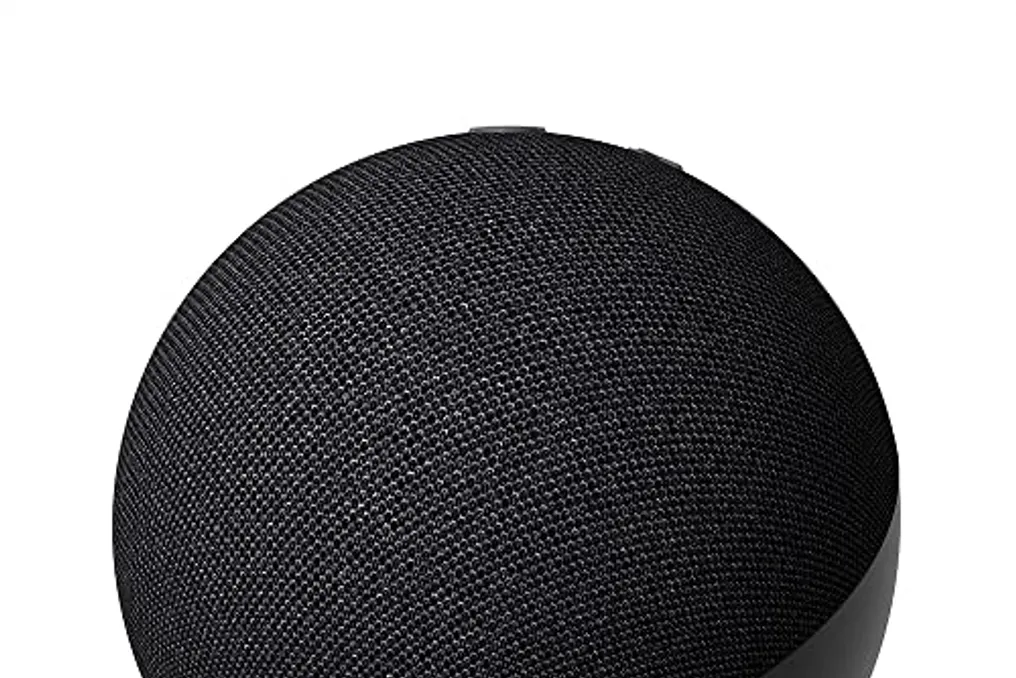
The black Echo Dot features powerful and vibrant sound, presenting a compact design suitable for any room. It ensures easy integration into the routine through Wi-Fi and Bluetooth connectivity, in addition to offering early access to Alexa+, the enhanced version of Amazon's assistant with advanced artificial intelligence capabilities.
For those looking to add a touch of color, the blue Echo Dot combines a modern aesthetic with well-balanced audio performance. This model also supports Wi-Fi and Bluetooth connections, allows control of home devices by voice command, and already includes early access to Alexa+, providing a more personalized and smooth interaction with the assistant.
The white Echo Dot is ideal for minimalist environments or decorations with neutral tones. It boasts strong sound for its size, Wi-Fi and Bluetooth connectivity, and early access to Alexa+, offering the same range of functionalities in a discreet look that harmonizes with any corner of the house.
It is important to note that the stock of these products may change at any time, making it advisable to immediately check which version is available for shipping. Interested parties should access the provided links, select their preferred color, and take advantage of the opportunity to modernize their smart home.
If your computer still uses an old hard drive (HDD) or if you want to significantly improve your machine's performance, this is the ideal time to upgrade. Three options for NVMe SSDs available on sale on Amazon have been gathered, representing well-known brands and equipped with PCIe Gen4 and even Gen5 interfaces, capable of revolutionizing the experience in both desktops and laptops.
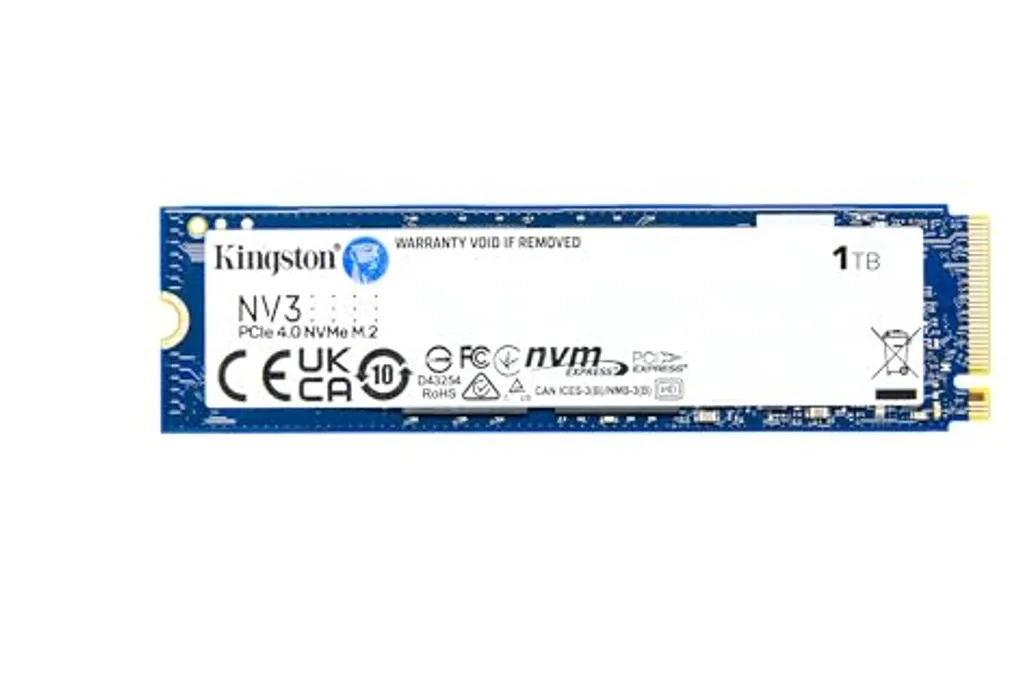
The Kingston NV3, with a 1TB capacity, uses the PCIe Gen4 interface in the M.2 2280 standard. This model provides a good read and write rate, making it a practical and reliable upgrade. With 1TB, it comfortably supports the operating system, games, and daily files, maintaining Kingston's reputation for durability in the storage sector.
Western Digital presented the WD Green SN3000, with 500GB of storage, using the PCIe Gen4 interface and achieving read speeds of up to 5,000 MB/s. This drive is seen as an advantageous alternative for those seeking performance above average without needing to opt for a top-tier model. Its M.2 2280 form factor ensures easy installation in most modern motherboards.
For users who demand maximum performance, the Crucial P510 operates with the PCIe 5.0 Gen5 interface, reaching read speeds of up to 11,000 MB/s, which is almost double the speed of common Gen4 models. This 1TB SSD is compatible with laptops and desktops and comes with Acronis software to assist with data transfer, making it a robust choice for workstations and high-performance setups.
It is important to note that SSD promotions on Amazon can change quickly, so it is advisable to check availability as soon as possible. Regardless of the model chosen, any of these options will provide a noticeable improvement compared to older storage solutions, benefiting work, gaming, or general daily use.