People who exercise regularly know how much a good smartwatch can contribute to achieving better results; however, many common models, despite offering health and activity tracking, do not meet all the needs of more demanding athletes.
Focus on Athletes and Key Features
For this audience, Garmin devices represent a more robust alternative, being entirely geared towards running and various other types of training. Olhar Digital conducted a detailed review of the Garmin Forerunner 55, an entry-level model suitable for those who need more functionality than traditional watches provide.
Technical Specifications
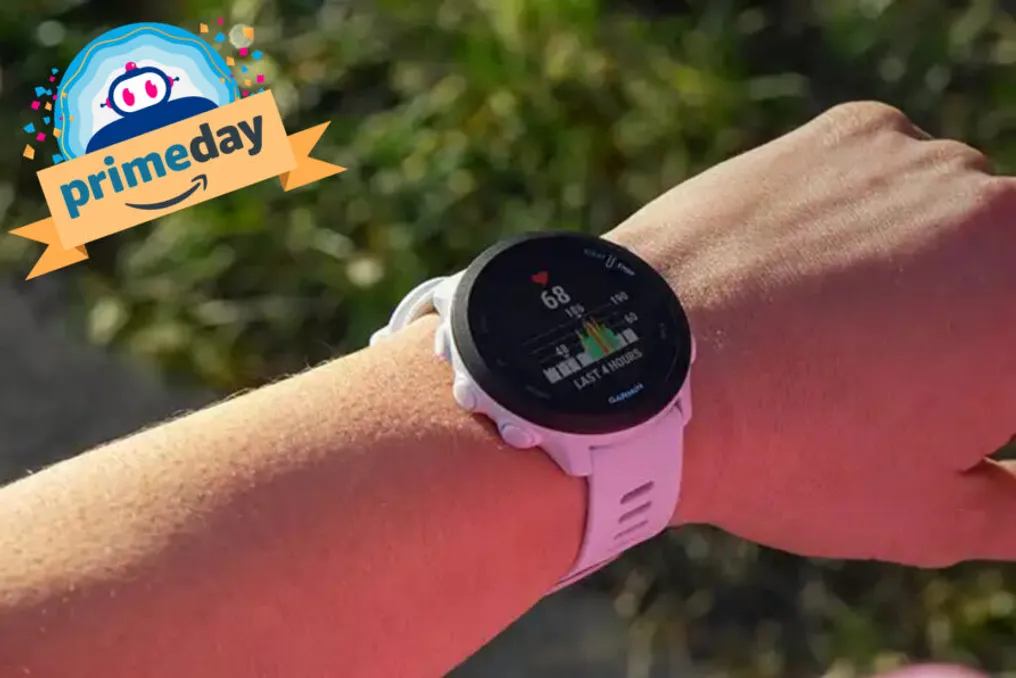
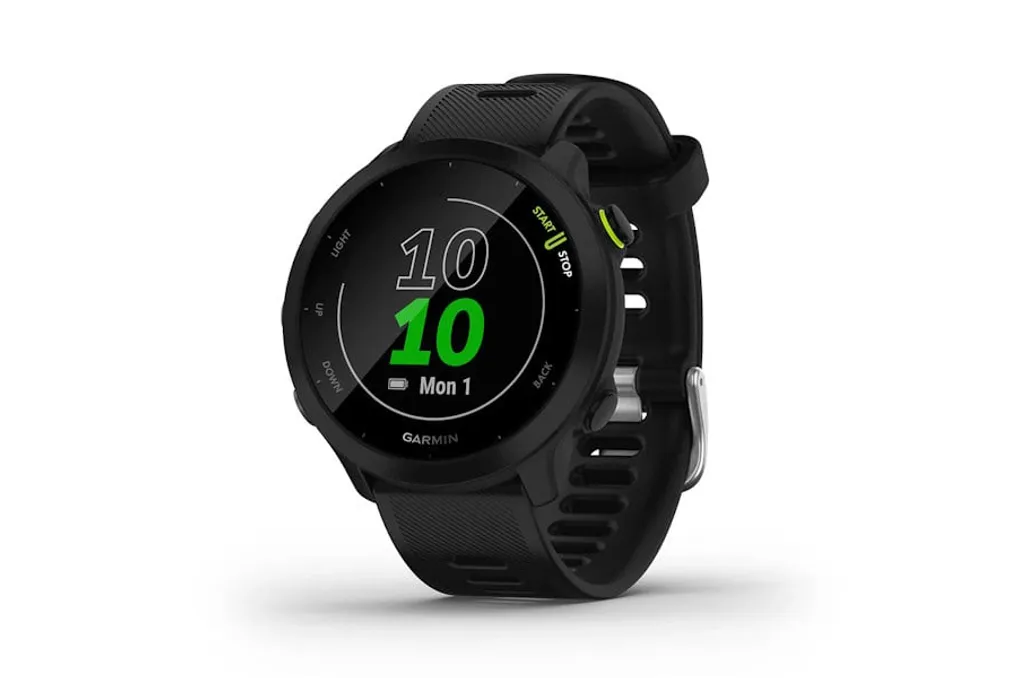
The core features of the Garmin Forerunner 55 include a plastic body with a silicone strap, weighing only 37 grams. It has a 1.04-inch transflective display and is controlled by five physical buttons located on the sides. The device features integrated GPS and a heart rate sensor, in addition to monitoring stress, sleep, and energy levels via the Body Battery function.
Additionally, it offers features such as PacePro, training suggestions, and a recovery assistant, covering monitoring for running, cycling, pool swimming, yoga, and gym workouts.
Battery Life
The battery of the Garmin Forerunner 55 can last up to 14 days when used in smartwatch mode. In situations of more intense use, such as during outdoor runs or bike rides with active GPS, the autonomy reaches 20 uninterrupted hours. For moderate use, logging approximately one hour of daily activity, the estimated duration is up to 10 days. If recharging is necessary, about two hours are needed to restore a full charge.
Design and User Interface
The design of the Garmin Forerunner 55 features a lightweight plastic body, weighing 37 grams, which ensures comfort even during sleep. The strap is made of flexible silicone and can be changed according to user preference.
A highlight is the 1.04-inch screen, which uses transflective technology, making it easy to read in direct sunlight, unlike many modern smartwatches where visibility decreases under the sun. It is important to note that this screen is not touch-sensitive; navigation in the system is done exclusively using the five physical side buttons, allowing operation even with wet or sweaty hands.
Detailed Sports Functionalities
Being a watch specifically designed for sports, the Garmin Forerunner 55 has pre-configured profiles for various modalities, such as running, cycling, swimming, yoga, and gym. Thanks to the integrated GPS, the device can record distance, speed, and race routes without relying on a cell phone. The system assists in calculating the ideal pace to meet time goals and provides recovery alerts, indicating the necessary rest period before the next activity.
Furthermore, a sensor positioned on the back continuously measures heart rate, using this data to estimate the time required to complete 5k, 10k, half marathon, or marathon races.
Software and Health Platform
Instead of a complex operating system, the Garmin Forerunner 55 adopts a simplified platform that displays essential information in a list format on the screen. To access graphs and complete details about activities and health, the user must use the Garmin Connect app on their phone, which organizes this data.
Regarding well-being, the watch tracks physical conditions, stress levels, breathing, and menstrual cycles. Due to its athletic focus, it has few typical smartwatch functions; it only displays notifications from phone calls and messages and allows control over music playback on the smartphone. Functions such as replying to messages, installing third-party apps, or making contactless payments are not available.
Overall Device Assessment
The Garmin Forerunner 55 is considered an efficient watch for those seeking a physical activity companion, as the integrated GPS allows leaving the cell phone at home, the heart rate monitoring is accurate, and it offers comprehensive features for various types of training. Its light weight and long battery life positively complement the package, making it recommended for those who already train frequently and want a more robust instrument to measure results.
However, the low screen resolution and the limitation of features beyond health monitoring make the model less appealing to people who do not exercise frequently. Furthermore, it may be seen as excessively basic for more experienced athletes, who might prefer more advanced models from the same brand.