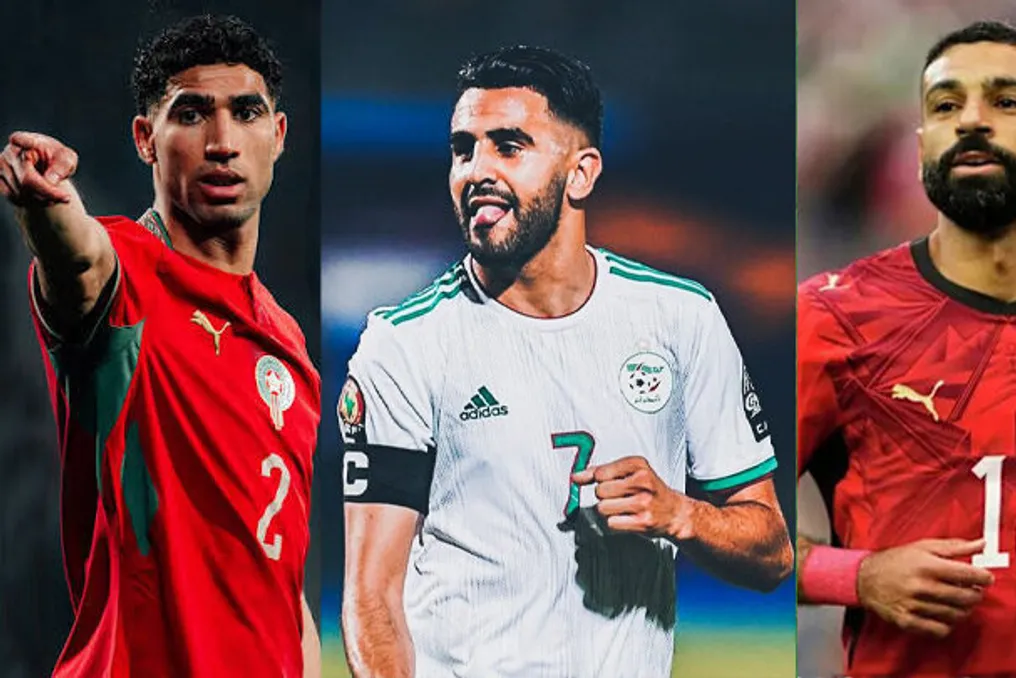
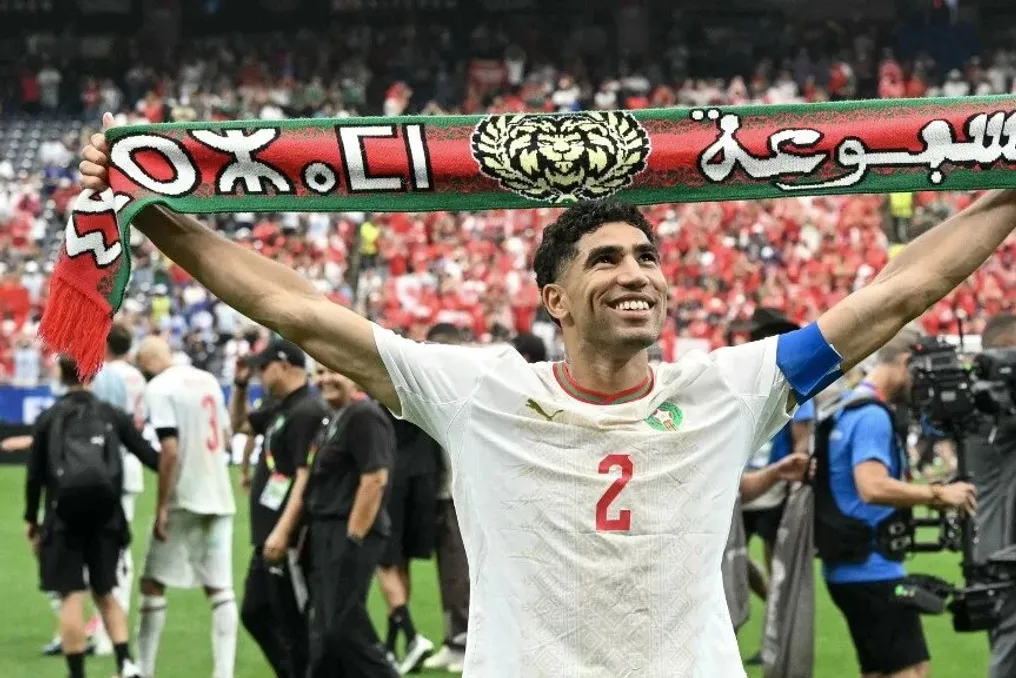
As the 2026 FIFA World Cup approaches its quarter-finals, Morocco represents not only its nation's flag but also the hopes of an entire continent and region.
Historical Participation of Arab Teams
This tournament is historic for several reasons, as eight Arab teams qualified for the World Cup for the first time: Algeria, Egypt, Iraq, Jordan, Morocco, Qatar, Saudi Arabia, and Tunisia. Morocco's victory over co-host Canada allowed them to become the first African and Arab country to reach this stage consecutively. Furthermore, the 'Lions of the Atlas' became the first Arab team to pass the group stage, which happened in Mexico in 1986. In the 2022 World Cup, the North African national team surprised observers by reaching the semi-finals and finishing fourth overall.
Other countries also left their mark on the world's largest sporting arena. The importance of such representation at an event expected to be one of the most viewed in history cannot be overstated. The teams were given the opportunity to change public opinion and present a different image of Arabs and the Arab world, moving away from negative stereotypes prevalent in media and popular culture.
Examples of Solidarity and Identity
Jordan debuted at the World Cup, led by Moroccan coach Jamal Sellam. Despite being placed in a difficult group, the team scored in all its matches. Especially memorable was Musa al-Tamari's excellent goal against reigning World Champion Argentina. However, the Jordanian team gained recognition not on the field, but through demonstrating traditional Arab hospitality and generosity. After the last match at the stadium in the San Francisco Bay area, players left thank-you notes, gifts, and boxes of traditional Arab sweets for the stadium staff.
Moments concerning identity and diversity also came to the forefront. In Iraq's second appearance at the World Cup, the team's multi-ethnic composition demonstrated the strength of unity and shared national identity despite historical disagreements. On the way to the tournament, fans of the 'Lions of Mesopotamia' were accustomed to seeing the Iraqi national flag alongside Kurdish and Assyrian flags, reflecting the pride of Iraq's various communities.
Although Tunisia had a forgettable tournament, the first conceded goal was scored by Yassine Ayari, a Tunisian-Moroccan footballer born and playing for Sweden. His apologetic reaction after the goal in one moment reflected the complexity of identity and nuances of loyalty, especially for Arabs living in the West. Although this was perceived as an encouraging moment, old derogatory comments about dual national players, made by former Dutch midfielder Raphael van der Vart in Dutch television—who allegedly stated that 'all Moroccans who are not good enough to play for the Netherlands eventually play for Morocco'—resurfaced during the World Cup, highlighting the disdain some still hold for African and Arab footballers.
This made Morocco's victory over the Netherlands in the Round of 32 even sweeter. The irony that the winning penalty was scored by Ismaël Saibari did not go unnoticed by spectators; Saibari, one of the tournament's outstanding players, had played his entire adult career in the Netherlands.
Palestine on the World Stage
The Arab nation that did not qualify for the World Cup but was actively featured on screens since the start of the tournament is Palestine. FIFA organizers constantly try to please the host countries, particularly the USA, and present the world through this tournament in a sanitized and whitewashed manner. This includes issuing a centralized global broadcast that licensed broadcasters are obliged to use, and which seems not to pay due attention to Palestinian flags displayed prominently.
Nevertheless, videos and images on social media show how fans in stadiums often express solidarity with the Palestinian cause by carrying the flag. In one recorded incident, American stadium security apparently tried to confiscate a Palestinian flag, provoking shouts of 'Free Palestine' from some fans.
Despite restrictions and repression at home, unwavering compassion and solidarity persist among these nations on the world stage. Egypt's coach Hossam Hassan resolutely raised this issue after his team's victory over Australia in the Round of 32. He acknowledged the victory on the field by raising the Palestinian flag, adding in the post-match interview: 'May God grant them victory... I dedicate this victory to the Egyptian people and the Palestinian people.'
Before Egypt's defeat to Argentina in the quarter-finals, Hassan passionately spoke about the suffering of Palestinians, asserting that 'every day thousands of people die, children and women.' He added that through football, the tool of 'soft power,' all participants in the World Cup should send a message: 'Please let Palestinians live.'
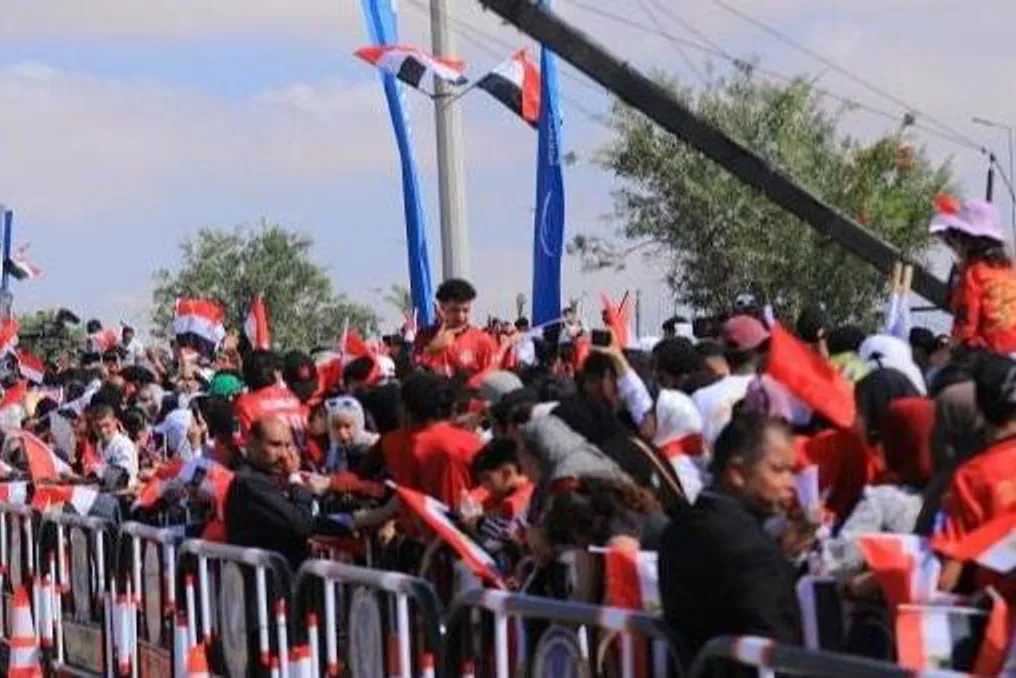
Although Arab countries participated in the earliest stages of the competition, starting with Egypt in 1934, this tournament proved exceptional for the region's countries. The participating Arab states showed the world that they are capable of competing and winning at the highest level of sport while simultaneously showcasing another side of the region. More importantly, players, coaching staff, and fans demonstrated that despite internal limitations and repression, there is unwavering sympathy and solidarity among these nations.