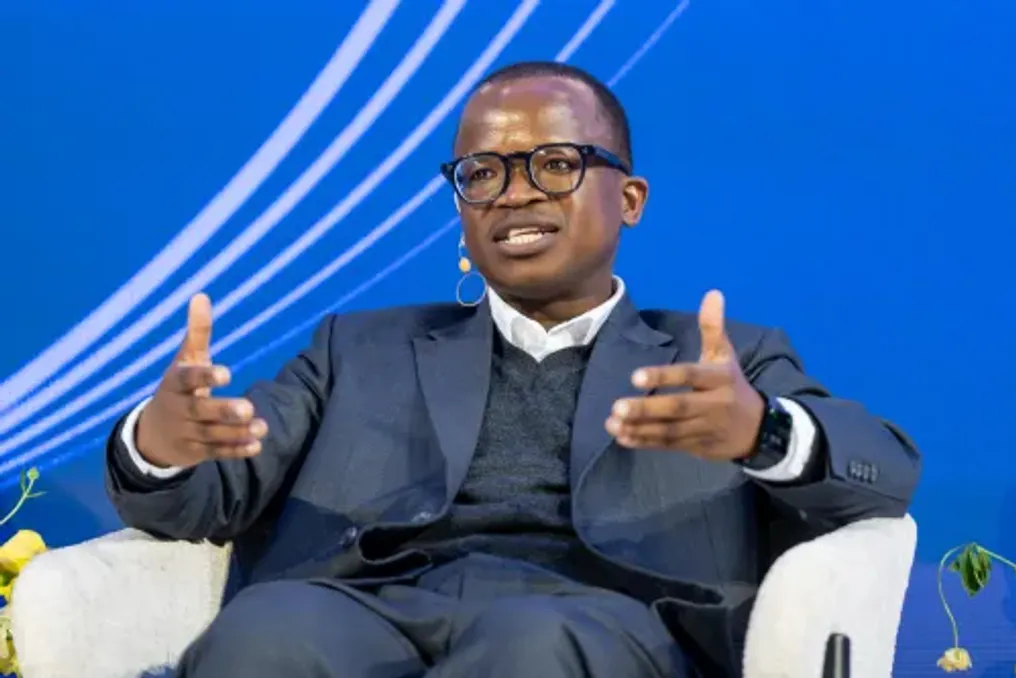
At the Standard Bank Africa Unlocked conference held in Cape Town on Friday, a panel discussion took place focusing on how to boost African agricultural production to deepen intra-regional trade and increase exports.
Conditions Necessary for Growth
During the 2026 conference in Cape Town, key measures required to unlock the potential of the continent's agricultural sector were discussed. Among these measures highlighted were government support for commercial farming and granting farmers land ownership rights.
Experts' Views on Development
Vandile Sichlobo, Chief Economist of the South African Agricultural Business Association, emphasized that a ready product is necessary for exports. He noted that various African countries can learn from the experience of private-sector growth in South African agriculture. Sichlobo considers it vital to expand the rights of farmers and agribusinesses to own or lease land, as this attracts investment. Furthermore, he pointed to the critical importance of infrastructure investment to improve value chains.
According to Sichlobo, productivity gains are possible through the introduction of technological advancements in seeds, genetics, and agrochemicals. He added that trade restrictions and interventions in commodity prices are necessary to ensure policy stability and attract capital. Supporting commercial farming is a key step for progress in African agriculture, as it is essential for developing agro-processing and creating jobs.
Challenges and Lessons from South Africa
Sichlobo acknowledged that South Africa faces several problems, including rising crime rates, municipal inefficiency, deteriorating road conditions, and port difficulties, as well as a slow process of inclusivity. Nevertheless, he stated that in terms of overall national indicators, South Africa offers many lessons for the entire continent. He noted that South Africa actively exports within the continent, and countries like Zambia, Malawi, and Kenya should study South Africa's experience to improve production and agro-processing.
The expert also stressed the need for a marketable product. He warned that without increasing agricultural productivity across the African continent, the same problem as in the Southern African Customs Union (SACU) will arise, where one country dominates another. Sichlobo mentioned that South Africa is capable of producing food at a relatively low farm-gate price despite logistical and port challenges, allowing it to offer competitive prices in various markets. He also mentioned the expected El Niño in South Africa and suggested that with more resilient agriculture in East Africa during droughts in South Africa, imports could come from East Africa rather than other parts of the world.
Entrepreneurs' Vision for Development
Mohammed Deji, CEO of MeTL Group in Tanzania, noted that Africa's potential has long been discussed. He stated that today, Africa is defined not only by its potential but also by what it is already building. Entrepreneurs across the continent are creating globally competitive businesses, producers are adding value, farmers are feeding populations, and innovators are solving African problems with African solutions.
Deji explained that MeTL Group started as a trading company delivering essential goods. However, as Tanzania and Africa developed, the company realized that trade alone was insufficient to achieve sustainable prosperity based on raw material exports and finished product imports. Therefore, the company expanded its activities into food processing, production of vegetable oils, beverages, textiles, soap, detergents, and consumer goods.
Today, MeTL produces over 50 categories of products, operates in 11 African countries, employs over 40,000 people, and plans to generate over $3 billion (49 billion Rand) in annual revenue by 2026. Adaptability has become one of MeTL's main advantages, allowing it to cope with fluctuations in commodity markets, currency changes, changing regulations, and consumer demand.