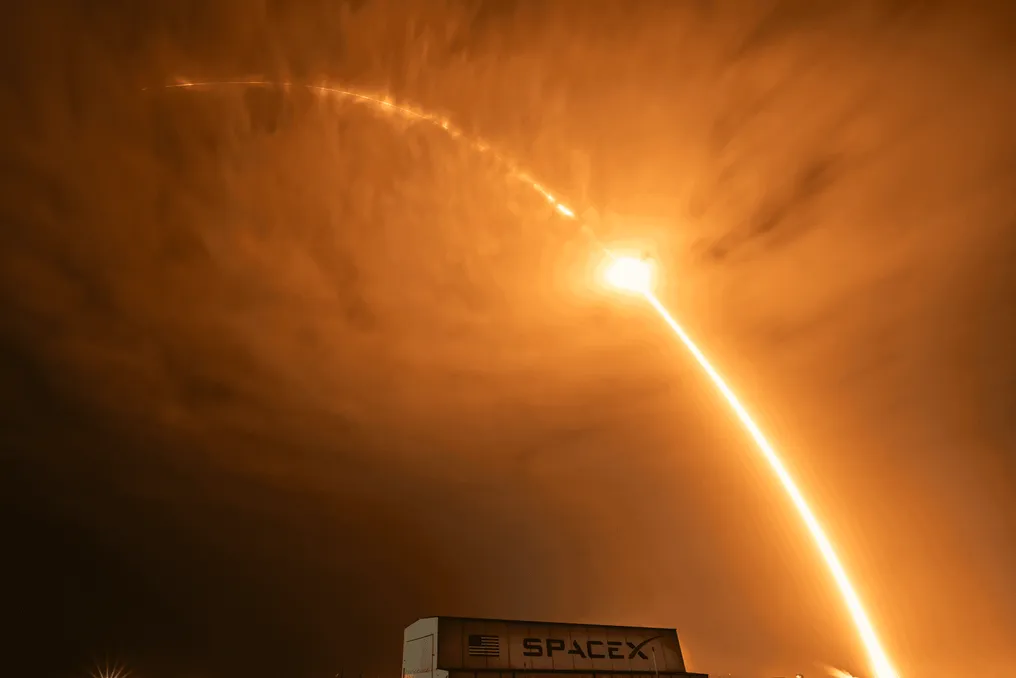
SpaceX is focusing on another test of the Starship, the company's largest rocket. This flight, number 13, is scheduled for July 16 and will feature the unprecedented transport of Starlink V3 satellites in an experimental mission.
Launch Details and Objectives
According to the company, the launch is scheduled to take place at 6:45 PM in U.S. territory (corresponding to 7:45 PM in official Brazil time). The main purpose of this operation is to evaluate the vehicle's latest systems.
The departure will occur from the Starbase facility, located in Texas, near Boca Chica beach. This will be the second flight of the new V3 version of Starship. In addition to testing the rocket itself, the mission will serve as a demonstration for new components of the Starlink network.
Suborbital Trajectory and System Evaluation
The 20 Starlink V3 satellites to be carried by the spacecraft will not reach orbit. Instead, they will follow a suborbital trajectory and will be destroyed during the atmospheric reentry process, allowing SpaceX to analyze various phases of the flight.
SpaceX has a 90-minute window to conduct the launch. The official broadcast of the event will begin 30 minutes before the launch, made available through SpaceX channels on the X network and the official flight page.
Separation and Return Tests
The flight is expected to last a little over an hour and does not aim to take Starship into Earth orbit. The main focus will be monitoring the system's operation during crucial stages, such as module separation, engine activation, and vehicle return.
Key expected moments include: the launch and initial ascent of the rocket; the separation between the Super Heavy booster and the Starship vehicle; tests of the Raptor engines; the release of the 20 Starlink V3 satellites; and reentry followed by controlled splashdown in the ocean.
A point of great observation will be the performance of the Super Heavy booster. In the previous flight, this stage failed to return adequately for a controlled landing, resulting in its fall into the ocean. SpaceX reported that hardware and software adjustments have been implemented to resolve the issues detected in that mission.
New Features with Starlink V3
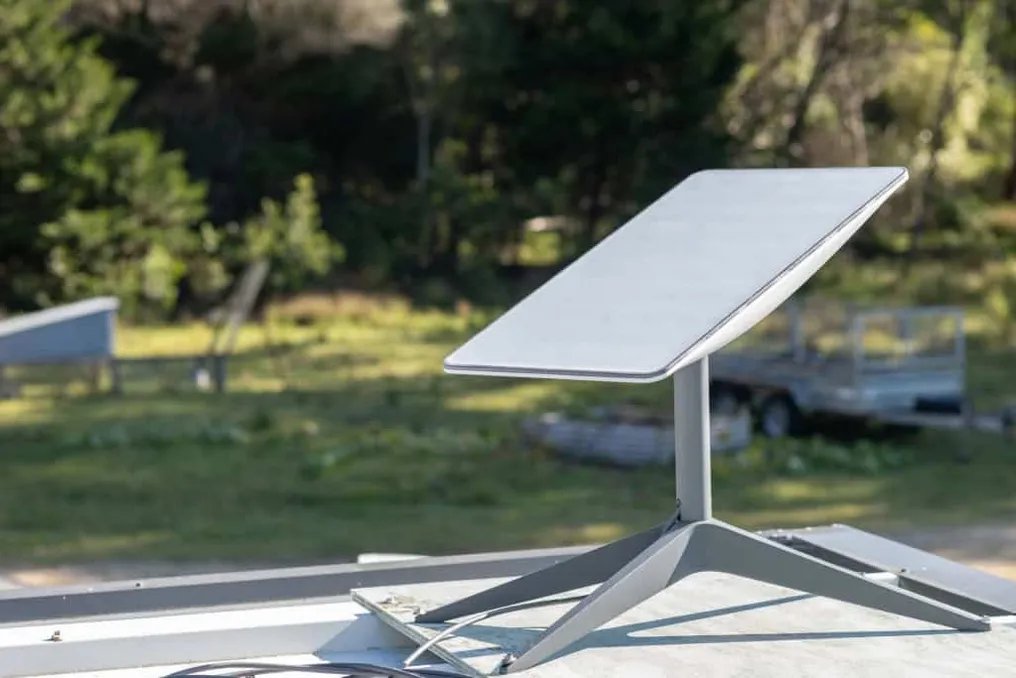
The introduction of the new satellites represents one of the biggest innovations of this flight. The Starlink V3 models are larger and are part of the company's efforts to expand the capacity of the satellite internet network.
In a detailed description of the flight, SpaceX stated that 'for the first time, Starship will carry Starlink V3 satellites into space, which aim to significantly increase the network capacity and speeds for users.' Six of these satellites will be equipped with cameras to capture images of the heat shield and Starship during the mission.
The satellites will also attempt to establish communication with the Starlink constellation using high-capacity lasers before returning to the atmosphere. If the launch needs to be postponed due to weather conditions or technical problems, SpaceX already has a new planned date of July 17, maintaining the same time.