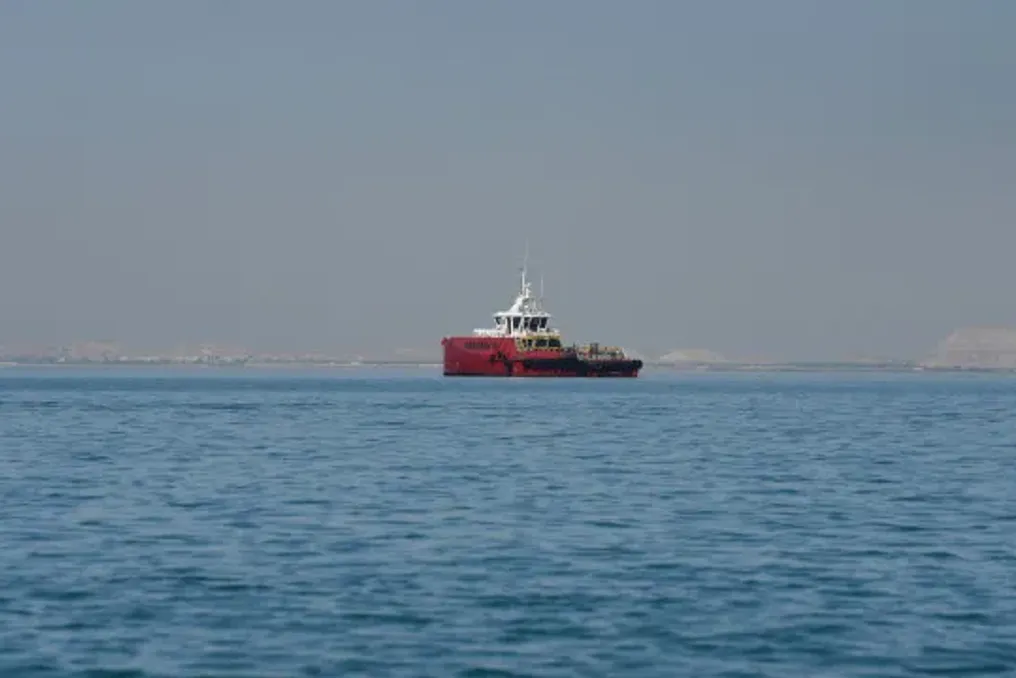
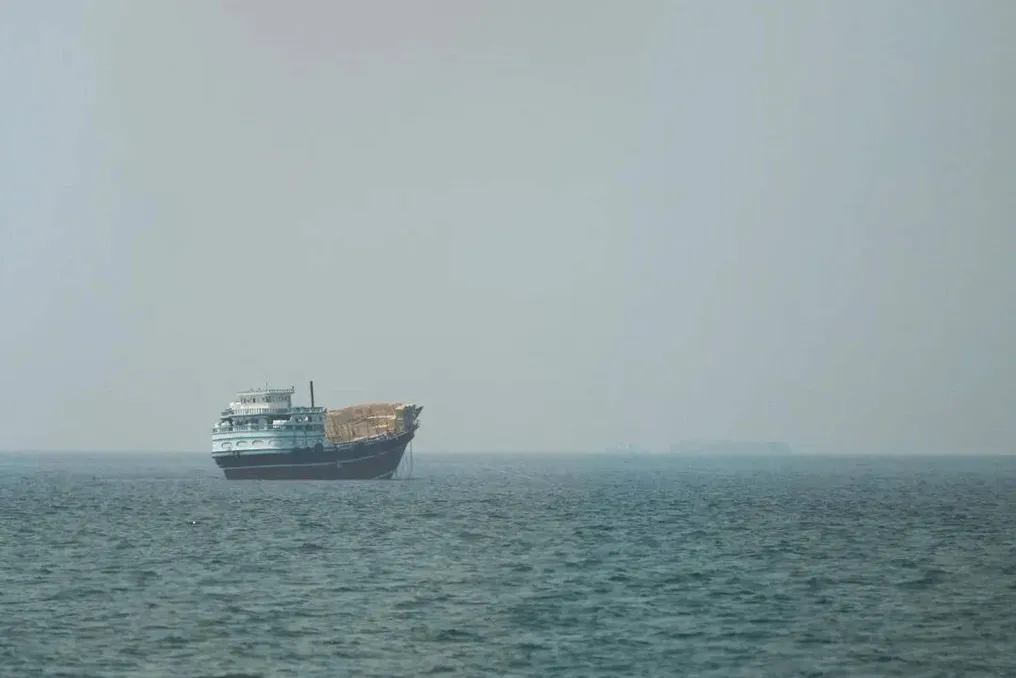
Following incidents involving attacks on two commercial vessels in the Strait of Hormuz, Shipping Minister Sarbananda Sonowal has ordered that the safety of every Indian seafarer be ensured, regardless of the vessel's flag.
Reaction to Attacks and Safety Measures
The Minister strongly condemned the attacks on the vessels, calling them 'irresponsible, unjustified, and unnecessary.' He stated that any voyages through the strait will only take place after a fresh threat assessment is conducted. Sonowal chaired a meeting with representatives from the Ministries of Shipping and External Affairs, the Indian Navy, the Directorate General of Shipping Administration, and other key maritime departments to analyze the changing security situation in the Persian Gulf.
Directives on Monitoring and Support
An order was given for continuous, detailed monitoring of every vessel and every Indian seafarer. Furthermore, special officers were appointed to liaise with each affected Indian seafarer, and 24/7 coordination was organized.
The meeting took place after the attacks on MT Al Bahiyah and MT Mombasa in the Strait of Hormuz. These two vessels were jointly carrying 30 Indian seafarers out of a total crew of 46. According to government statements, one Indian seafarer died, and another sustained injuries aboard MT Al Bahiyah. Nine Indian nationals were injured on MT Mombasa, including two who remain in critical condition.
Reporting and System Requirements
Sonowal expressed strong indignation over the attacks on unarmed civilian merchant vessels, noting that this led to the death and injury of Indian seafarers, who are key workers in maintaining global supply chain operations. He demanded that officials create a comprehensive operational dashboard tracking every person on every vessel, regardless of its flag, operating in the Persian Gulf, Strait of Hormuz, and Gulf of Oman.
This dashboard must provide up-to-date information on the vessel's location, owner, cargo, crew size, crew welfare, threat assessment, planned route, next port of call, as well as the availability of food, fuel, medical supplies, and communication equipment. The government also commits to appointing a dedicated liaison officer for every affected Indian seafarer. This officer will serve as a single point of contact for families, coordinating medical updates, travel documents, family assistance, repatriation, support from the Seafarers Welfare Fund, unpaid wages, contractual rights, and other compensation.
Additionally, the ministry will require shipowners, ship managers, and licensed manning and placement agencies (RPSL) that employ Indian seafarers in the region to immediately submit compliance reports and confirm that no Indian seafarer is forced to work without proper information, protection, and support.