As part of the 'Independence Festival,' held to commemorate the 35th anniversary of the state sovereignty of the Republic of Uzbekistan, another cultural and educational event took place in the city of Kitob in the Kashkadarya region.
As part of the 'Independence Festival,' held to commemorate the 35th anniversary of the state sovereignty of the Republic of Uzbekistan, another cultural and educational event took place in the city of Kitob in the Kashkadarya region.
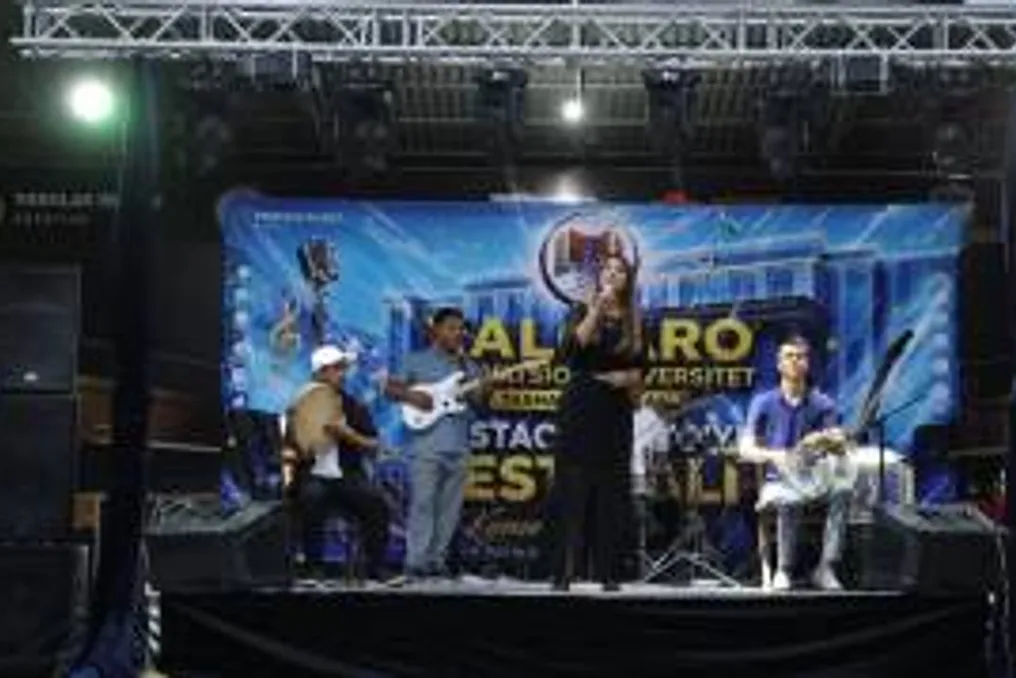
The festival was organized with the participation of the Regional Administration, the Center for Spirituality and Enlightenment of the Republic, and the International Innovation University. It was held in the recreation park in the center of the district and attracted wide public participation. The festival featured exhibitions of national handicrafts and creative works by young talents. Various cultural and educational projects, fun programs, and interesting events were also held for residents.
In the evening, a concert program featuring renowned artists took place, giving bright impressions to those gathered. Folk songs praising the Motherland, energetic performances, and a festive atmosphere left an unforgettable mark on the residents and guests of the district.
Senator Komila Karamova, head of the Regional Branch of the Center for Spirituality and Enlightenment of the Republic, stated that the festival will take place in all cities and districts of the region until July 26. She emphasized that a number of projects aimed at widely promoting the essence and meaning of independence, as well as ensuring opportunities for residents for cultural self-expression, are being implemented during the events.
It was noted that the 'Independence Festival' contributes to strengthening feelings of patriotism, respect for national values, and unity among citizens.
As part of the reforms being carried out in New Uzbekistan, one of the priority areas has been attention to the individual, care for their dignity and health. Thanks to comprehensive support and the provision of targeted social services to people with disabilities, lonely elderly citizens, and those in need of assistance, their quality of life is improving.
A vivid example of such positive changes is demonstrated by the story of one family in the Kogon district of Bukhara region. In the village of Kogon mahalla, where more than three thousand people live, there are 70 people with disabilities, 4 people with disabilities requiring constant care, and two lonely elderly people.
The mahalla's social worker, Nodirbek Khamidov, individually studied the needs of each of these citizens and provided them with targeted social assistance and services.
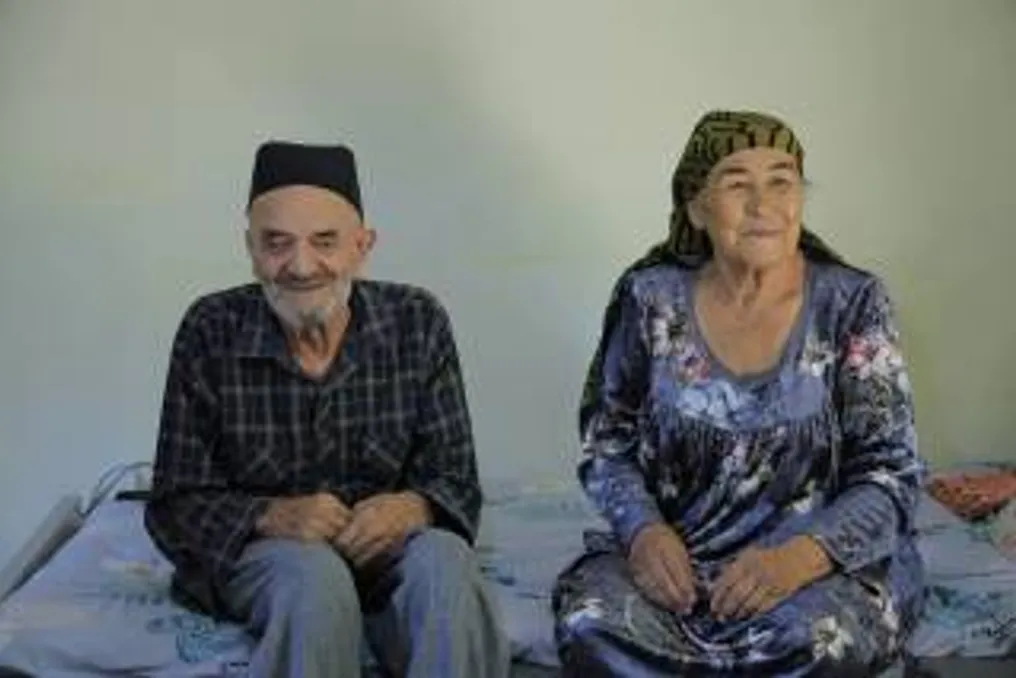
One such person is Turaqul Bobo Botirov. This elderly man, who suffered a stroke several years ago, was unable to get out of bed for a long time. This difficult ordeal changed not only his life but also that of his wife, Sharofat opa Narziyeva, who cared for Turaqul Bobo with love and patience for years.
After a comprehensive study of the family's social situation, the mahalla's social worker included Turaqul Bobo in the list of lonely elderly citizens and provided him with social and domestic services at home under the 'Active Life' program.
Under this program, Turaqul Bobo regularly underwent in-depth medical examinations, and his hospitalization in sanatorium and health resorts for health recovery was organized. Rehabilitation procedures conducted under the supervision of specialists played an important role in restoring his health.
Material support for the family was also not overlooked. A one-time financial aid was provided on the occasion of the autumn-winter season and the Ramadan holiday, which helped ensure the family's daily needs and improve their living conditions.
The most joyful result was that the provided medical and social services proved to be more effective than expected. Turaqul Bobo, who was previously completely confined to bed, has now started walking independently, strictly following the doctors' recommendations. Every step he takes is a testament to the success of the efforts of his loved ones and the people who helped him.
This case confirms the truth: if a person is given care, attention, and targeted help, even the most difficult trials can be overcome. The recovery of one person's health brings a smile to the whole family and revives hope in its heart.
These good deeds carried out in the Kogon mahalla clearly show that the social protection system serves not only to provide assistance but also to return a person to an active life. Turaqul Bobo's life journey is a bright and instructive example that when love, care, and state attention are combined, results comparable to a miracle can be achieved.
The traditional Japanese festival 'Tanabata' and the 'Manga' drawing contest took place at the Academy of Arts of Uzbekistan in the Ikuo Hirayama Palace of International Cultural Caravan. The Tanabata Festival is also known as the 'Star Festival' and is held annually in Japan on July 7th.
Historically, the traditions of celebrating the festival, which originated in the Heian period, are connected to a Japanese art festival borrowed from China. Initially, this holiday was celebrated exclusively in the Kyoto Imperial Palace. Later, at the beginning of the Edo period, the custom spread more widely and merged with various traditions of the Obon festival, surviving to this day in its modern form.
Manga art is also gaining popularity in the country. Manga is an integral part of Japanese culture and has a deep history. However, in recent years, Japanese comic art has become an important part of media culture in many countries around the world, similar to cinema and literature. Manga covers various genres and is accessible to people of all ages.
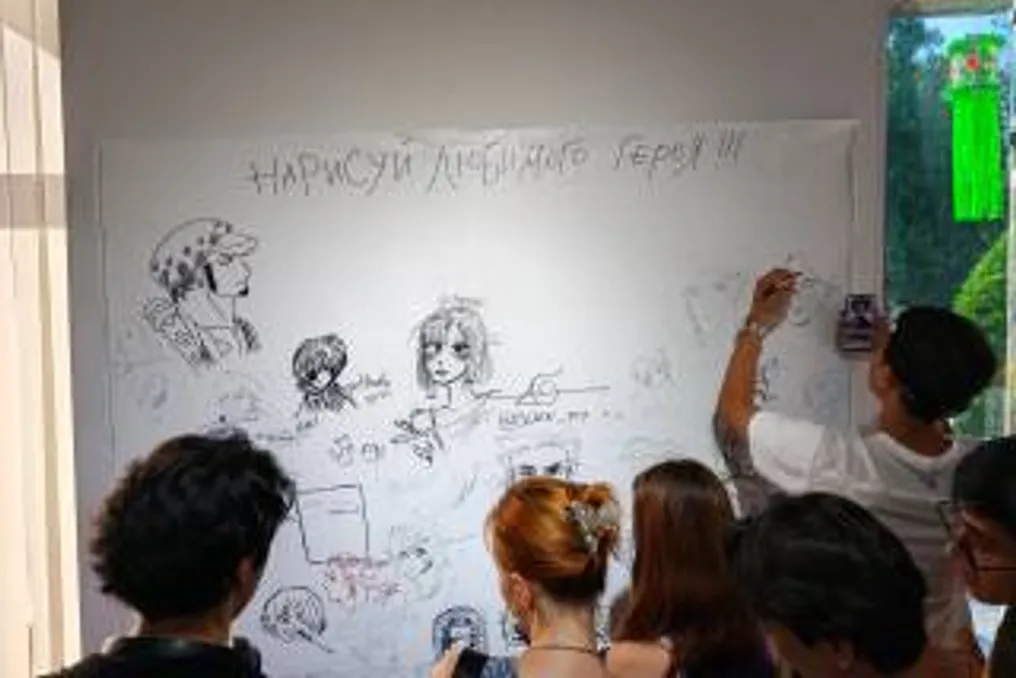
As part of the current 'Manga' contest, participants from the cities of Tashkent, Navoi, and Samarkand in Uzbekistan presented their works. Ten participants of different ages, from 11 to 29 years old, took part in the contest. This contest provides a wonderful opportunity for manga enthusiasts to enjoy interesting stories and beautiful graphics.
The winners of the 'Manga' contest were Roziya Abdumavlyanova in the 10–13 age group, Shahina Usmonova in the 14–17 age group, and Saidazim Usmonov in the 18+ category. The winners were awarded diplomas and gifts from the Ikuo Hirayama Palace of International Cultural Caravan, the Embassy of Japan in Uzbekistan, and also from 'Beta' of the Ministry of Emergency Situations. All participants were given certificates.
The exhibition will run until June 19, 2026.
The 'Bukhorcha' ensemble from the State Philharmonic of Uzbekistan for Bukhara Region successfully presented national art and culture at prestigious international folk festivals and cultural events in the Republics of Slovenia and Croatia.
The first stop of the tour was the city of Metlika in Slovenia. A concert was organized there for local residents, featuring national songs and dances characteristic of the Tashkent, Fergana, Khorezm, and Bukhara regions, as well as demonstrations of examples of folk oral creativity.
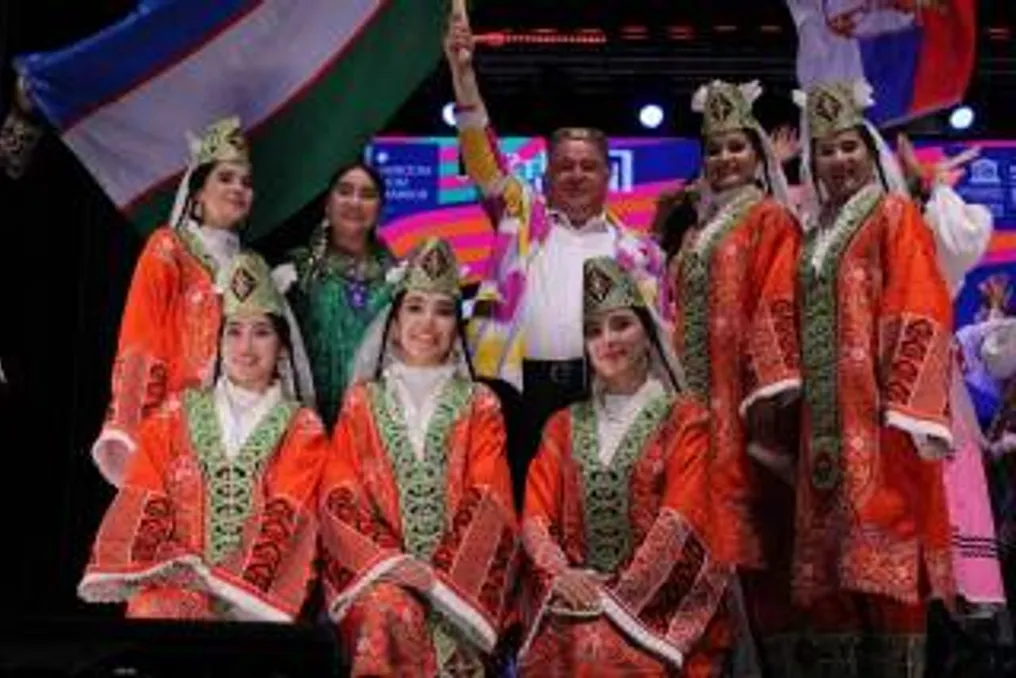
Subsequently, the collective participated in the 38th CIOFF FolkArt International Festival in the city of Maribor. During the festival, street performances were held in the city center and tourist areas. Uzbek artists, together with creative groups from Bolivia, presented national musical and dance programs that were warmly received by guests and local residents. Foreign spectators showed particular interest in Uzbek national dances, traditional costumes, and folk musical instruments.
During the festival, a traditional procession of artists from participating countries took place along the Drava River flowing through Maribor. Representatives from Bolivia, North Macedonia, Poland, Puerto Rico, Uzbekistan, Serbia, and Slovenia participated, showcasing the national culture of their countries.
There was also an official meeting with the Mayor of Maribor, Sasha Arsenovich. The delegation, headed by Bahrom Usmanov, Head of the Department for Concert and Performance Activity Development of the Ministry of Culture of the Republic of Uzbekistan, and Rauf Avezov, Director of the State Philharmonic of Uzbekistan for Bukhara Region, discussed issues of expanding cultural and humanitarian cooperation and developing ties within the framework of international festivals.
A gala concert was held in the city of Murska Sobota, featuring creative groups from Uzbekistan and Bolivia. Artists from both countries demonstrated examples of national music and dance, leaving unforgettable impressions on the audience.
The closing gala concert of the 38th CIOFF FolkArt International Festival took place in Leon Stuckel Square in Maribor. Over 200 artists from different countries participated in this concert, and representatives of Uzbekistan performed on behalf of the continent of Asia, winning recognition and applause from the audience with their national songs and dances.
The tour continued in Croatia. The 'Bukhorcha' ensemble actively participated in events at the XXVII International Folk Festival in the city of Karlovac. According to the festival program, the ensemble held street performances in the central streets and squares of the city, demonstrating the rich traditions and unique appeal of Uzbek national art through the performance of Uzbek folk songs and dances, as well as through the display of exquisite national costumes and folk instruments.
Folk and artistic groups from Madagascar, Puerto Rico, the Philippines, and other countries also participated in this international festival, presenting the rich cultural heritage and national customs of their peoples. The five-day prestigious festival became an important platform for strengthening intercultural dialogue, promoting the intangible cultural heritage of peoples, and developing creative partnerships. The successful participation of Uzbek artists in these events made a significant contribution to enhancing the international prestige of national culture and the wide promotion of Uzbek art on the world stage.