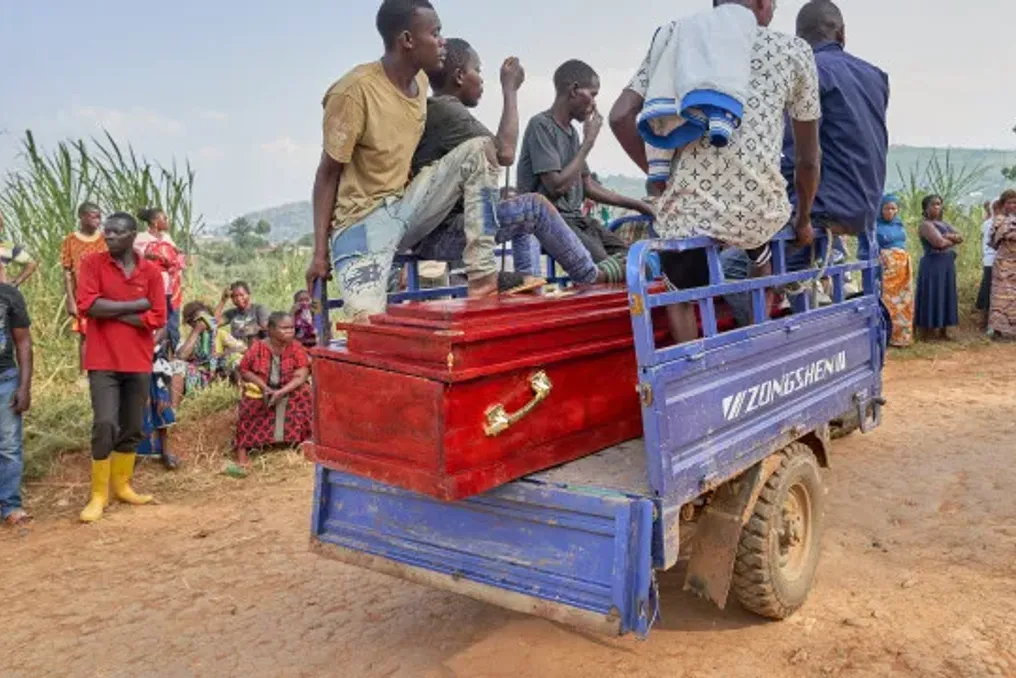
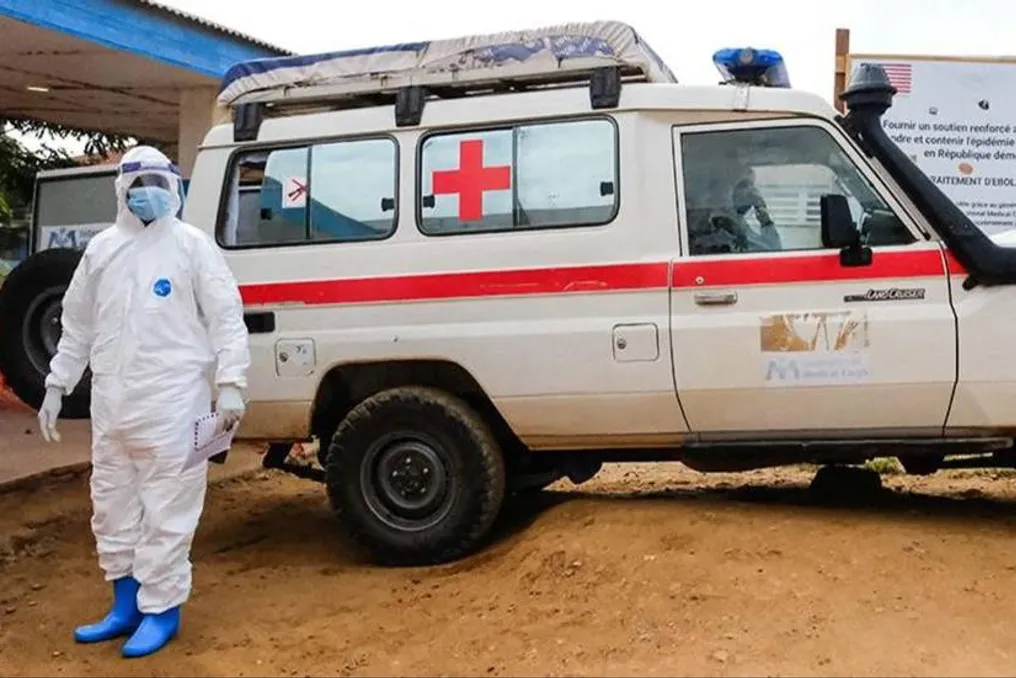
According to data collected up to July 11, the Ebola epidemic in the Democratic Republic of Congo (DRCongo) registered a significant increase, totaling 702 deaths and 1,926 confirmed cases. Authorities reported that the current fatality rate remains at 36.4%.
Epidemic Situation and Treatment
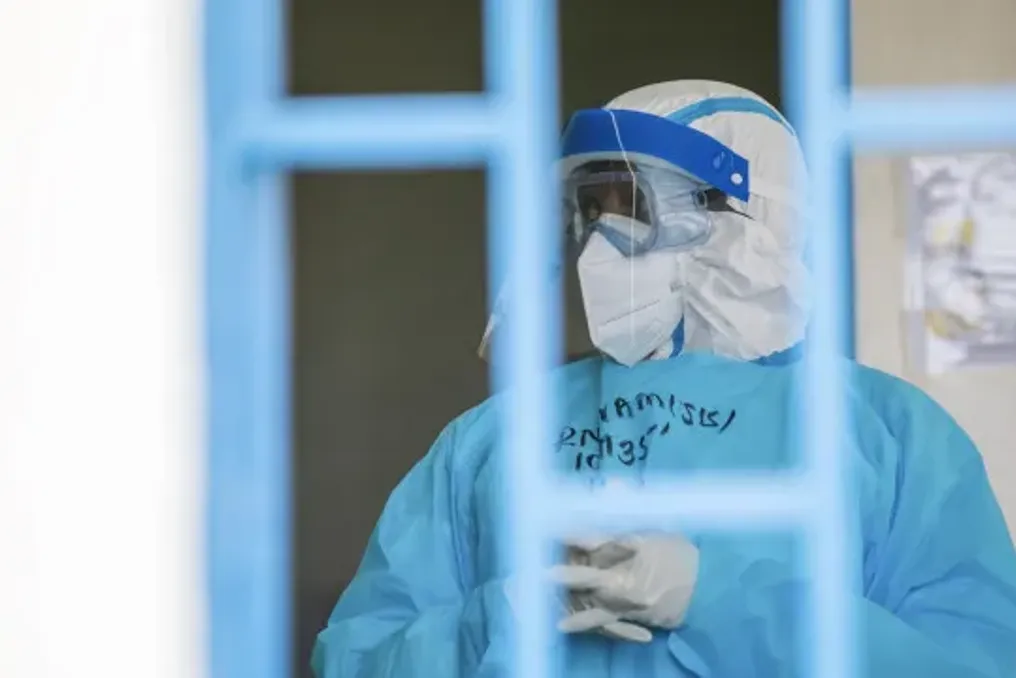
Currently, there are 753 patients in isolation or receiving hospital treatment, while 318 people have recovered. The responsible Ministry emphasized that efforts continue to focus on strengthening early detection, improving medical care, and consolidating community participation.
Investigations and Transmission
Contact investigations are advancing by 78.3% in the eastern provinces of Ituri, considered the epicenter of the crisis, as well as North Kivu and South Kivu. Cases and deaths have also been detected in Tshopo and Haut-Uele, with most of these cases originating from Ituri.
The DRCongo National Institute of Public Health warned about the weekly growth of confirmed cases, which indicates continuous transmission within the population. This outbreak is linked to the Bundibugyo strain, which has a mortality rate ranging between 30% and 50%, and for which no specific vaccine or treatment is available.
Global Assessment and History
The World Health Organization (WHO) assesses the risk of expansion in Sub-Saharan Africa as 'high', but the global risk remains 'low'. WHO protocols define the end of an Ebola outbreak if no new cases are identified for 42 consecutive days, which is double the incubation period of the virus.
The outbreak was formally declared on May 15 in the province of Ituri, which borders Uganda and South Sudan. The epidemic has also spread to Uganda, where 20 cases were confirmed, 15 of which were imported from the DRCongo, resulting in two deaths in that country.
The WHO estimated that the virus began circulating in Ituri about two months before the official declaration of the outbreak and classified the situation as a 'public health emergency of international concern' on May 17. This is the 17th Ebola outbreak to affect the DRCongo, making it the third worst recorded in history.
The current outbreak is surpassed only by outbreaks that occurred in West Africa between 2014 and 2016, which caused approximately 11 thousand deaths and 28 thousand cases, and another one in eastern Congo between 2018 and 2020, which resulted in 2,299 deaths and 3,481 cases.
Transmission and Symptoms
The virus is transmitted through direct contact with body fluids of infected individuals or animals, manifesting severe symptoms such as hemorrhagic fever, vomiting, diarrhea, and internal bleeding.