Due to long working hours and intense routines, many professional drivers tend to neglect their own health. In response to this situation, the Ministry of Health implemented the program called 'Now There Are Specialists – Trucker and Trucker'.
Due to long working hours and intense routines, many professional drivers tend to neglect their own health. In response to this situation, the Ministry of Health implemented the program called 'Now There Are Specialists – Trucker and Trucker'.
This initiative aims to make Unified Health System (SUS) services, such as consultations, exams, and vaccinations, available directly at the Rest and Stopping Points (PPDs) frequented by the category. The central purpose is to reduce barriers to healthcare access and ensure free care. The need for this measure is reinforced by data from the Ministry of Health, which indicates that between 2022 and 2025, 41% of truck drivers registered in Primary Health Care (PHC) did not receive any medical assistance.
The program's mobile units provide completely free assistance and do not require prior scheduling. The structure was designed to fit into the drivers' routine, offering various services, including medical and nursing consultations, vaccination, blood pressure measurement, rapid tests, and laboratory exams with immediate results, electrocardiograms, and minor procedures. If necessary, drivers can be referred to other specialized SUS services.
José Ronaldo Marques da Silva, known as 'Boizinho' and president of the National Union of Truckers (Sinaceg), considers the strategy essential. He stated that health often takes a backseat while the driver meets deadlines and travels across the country. According to him, bringing care to the PPDs is an intelligent approach because it adapts public service to the reality of the category and facilitates the monitoring of professionals who previously lacked such support.
Lack of care for health has generated serious consequences for truck drivers. An epidemiological bulletin issued by the Ministry of Health points out that habits such as inadequate diet, long driving hours, and lack of sufficient rest significantly increase drivers' susceptibility to chronic diseases. Primary Care records highlight notable incidences of arterial hypertension (74,414 cases), diabetes (35,292 records), and mental health problems (21,167 occurrences).
The data also shows an aging process within the category on the roads, with the highest concentration of care occurring in the age group of 50 to 59 years, closely followed by drivers aged 40 to 49.
In a period of just over four months of operation, the program has already demonstrated high unmet demand on the highways with significant numbers. 6,169 attendances were carried out, 8,889 health procedures were performed, 7,087 rapid tests were administered, 2,617 exams were collected, and 933 vaccine doses were given.
Márcio Galdino, regional director of Sinaceg, emphasizes that the benefit goes beyond individual well-being. He points out that transforming stopping points into care locations is a practical solution that expands the reach of SUS and promotes prevention, bringing advantages to both workers and road safety.
Currently, the program operates at strategic points near the usual resting places of truck drivers. The units are available in the cities of Pindamonhangaba (SP), Uruaçu (GO), Ubaporanga (MG), Itatiaia (RJ), Novo Progresso (PA), Seropédica (RJ), Palhoça (SC), and Irati (PR). The service remains accessible indefinitely in these locations; the driver only needs to show up during their scheduled stop.
As thousands of residents of the United Arab Emirates (UAE) head to airports this summer, most are aware of the rules for bringing goods into the country. However, far fewer people consider whether medication carried in hand luggage is legal in the destination country.
For some common remedies used in UAE homes, the answer is no. For instance, in Greece, codeine, which is found in several cough and cold preparations, is a controlled substance requiring a prescription in all cases. Consequently, products purchased without a prescription elsewhere may cause issues at customs.
Japan requires travelers to obtain permission for medications containing codeine at least 14 days before travel. Furthermore, some foreign cold remedies are considered raw materials for stimulants due to their content of pseudoephedrine, a standard vasoconstrictor. Having a valid prescription from your home country does not guarantee protection; travelers found with medication prohibited in Japan risk arrest and detention.
A similar situation is observed closer to home. Egypt bans Tramadol, imposing penalties ranging from large fines to imprisonment. While Qatar requires a doctor's note even for over-the-counter cold and cough remedies, meaning a week in Doha with an unchecked box of flu tablets could attract customs attention.
For residents holding long-term prescriptions, medications for ADHD, strong painkillers, as well as anxiety or insomnia drugs legally prescribed in UAE hospitals, fall under narcotic lists in many destination countries.
According to legal consultant Ahmed Alzarouni, having a prescription from the UAE often provides protection, but not always absolute. He explained that the strict control exercised by the UAE over the prescription and dispensing of narcotics and psychotropic medications, established by Federal Decree Law No. 30 of 2021 and Federal Decree Law No. 38 of 2024, enhances the credibility of medical documents and facilitates their recognition in many states.
Alzarouni reported that he has not encountered cases where residents faced problems abroad due to medicines bought in UAE pharmacies, attributing this to the regulatory precision.
Nevertheless, this protection has its limits. Since requirements vary depending on the destination, Alzarouni advised travelers to study the rules of the country they are visiting before flying. It is also recommended to carry a prescription and, if necessary, a medical certificate, preferably translated into English or the local language and attested if required by the country's legislation. His clearest warning is that the duty to check the laws of the country lies with the traveler, and ignorance of the law does not exempt one from legal liability.
The rules apply both ways. Residents returning with controlled medications acquired abroad must obtain a personal import permit—a service transferred from the Ministry of Health and Prevention to the Emirates Drug Control Authority on December 29, 2025.
Upon arrival without prior approval, one must use the red customs channel at the airport and declare the medications, presenting the prescription and medical certificate to customs officers. The official list includes over 200 controlled medications, indicating which require permission and which are strictly prohibited.
} , {The World Health Organization (WHO) has released new global guidelines stating that up to 45% of dementia cases can be prevented or slowed down by eliminating several risk factors. These factors include high blood pressure, diabetes, smoking, insufficient physical activity, and, for the first time, air pollution.
The updated guidelines, which represent the first major revision since 2019, reflect a growing scientific understanding that lifestyle, management of chronic diseases, and environmental exposure can significantly affect brain health. The inclusion of air pollution is an important addition to the WHO's guidance on dementia prevention, as evidence accumulates linking prolonged exposure to polluted air with reduced cognitive function.
Dementia is a progressive brain disorder that impairs memory, thinking, and the ability to perform daily tasks. Alzheimer's disease accounts for approximately 60–70% of all dementia cases. Although there is currently no cure for this disease, the WHO asserts that a significant portion of the risk can be reduced through a healthier lifestyle and improved management of chronic illnesses.
These recommendations are particularly relevant for India, where the burden of dementia is expected to rise as the population ages. A national study published in the peer-reviewed journal Alzheimer's & Dementia showed that about 8.8 million Indians aged 60 and over suffer from dementia, based on a prevalence of 7.4% among the elderly. The WHO's guidance on air pollution is supported by a growing body of data. The 2024 Lancet Commission on Dementia Prevention, Intervention, and Treatment identified air pollution as one of 14 modifiable risk factors that, combined, could account for up to 45% of dementia cases. Furthermore, a 2024 study in BMJ Public Health found both external and internal air pollution to be significant risk factors for dementia in the Indian population.
Globally, over 57 million people live with dementia, and nearly 10 million new cases are diagnosed annually. Recommendations include regular physical activity, quitting tobacco, limiting alcohol consumption, maintaining a healthy diet, staying socially active and cognitively stimulated, and effectively managing high blood pressure, diabetes, and high cholesterol. Using hearing aids may also help reduce dementia risk if clinically indicated.
WHO Director-General Dr. Tedros Adhanom Ghebreyesus stated: 'Today we know more about what causes dementia risk than ever before, and these guidelines translate that knowledge into practical action.' He added that countries now have clear, evidence-based recommendations that can be immediately applied to protect people's cognitive health.
WHO also cautions against the routine use of Vitamin B or E, omega-3 fatty acids, or multivitamin-mineral supplements to prevent dementia in individuals without a diagnosed deficiency, citing insufficient evidence of benefit. Dementia also creates a significant economic burden: WHO estimates that the disease costs the global economy approximately $1.3 trillion annually, with about half of that burden borne by family and friends in the form of unpaid care.
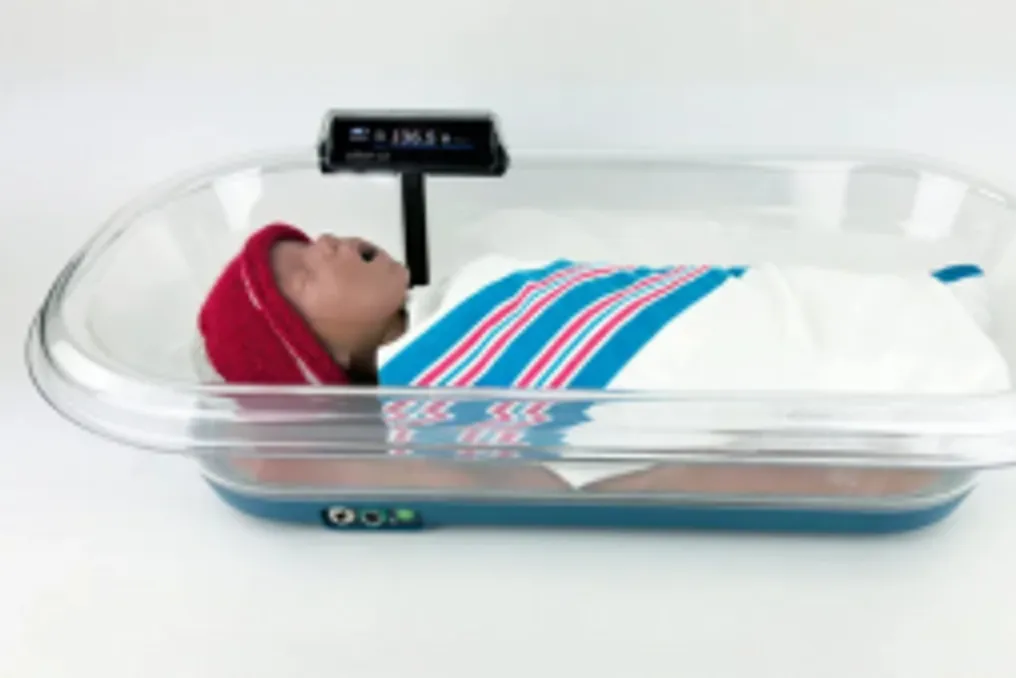
The Otter device, developed by the non-profit organization Design that Matters in collaboration with Vietnamese medical equipment manufacturer MTTS, is designed to prevent hypothermia in newborns in hospitals with limited resources.
The creation of Otter took eight years and was the result of collaboration with neonatologists, infection control specialists, and frontline healthcare workers in Africa and Southeast Asia. The project aimed to address one of the primary causes of newborn mortality—hypothermia.
Unlike standard incubators that circulate heated air, Otter uses conductive heating. This reduces energy consumption while providing stable thermal impact through direct contact. The device's casing is made of seamless polycarbonate, making it durable and easy to disinfect, and its appearance resembles a crib, allowing medical staff free access to the child during treatment.
The intuitive touchscreen minimizes the need for extensive staff training. Furthermore, the built-in battery ensures the heater operates even during power outages or transportation. Every aspect of the product reflects a deep understanding of the usage context, which is a result of meticulous refinement.
The team's philosophy is that medical equipment should be 'difficult to use incorrectly,' and Otter's design adheres to this principle, being both effective and intuitive. The project recently received awards, including the Core77 Social Impact Award in 2026 and the Autodesk Fusion Prize for its unique combination of engineering solutions, human-centered design, and manufacturing innovation. Otter is affordable, easy to clean, simple to operate, and sufficiently resilient to unreliable electricity without compromising clinical outcomes.