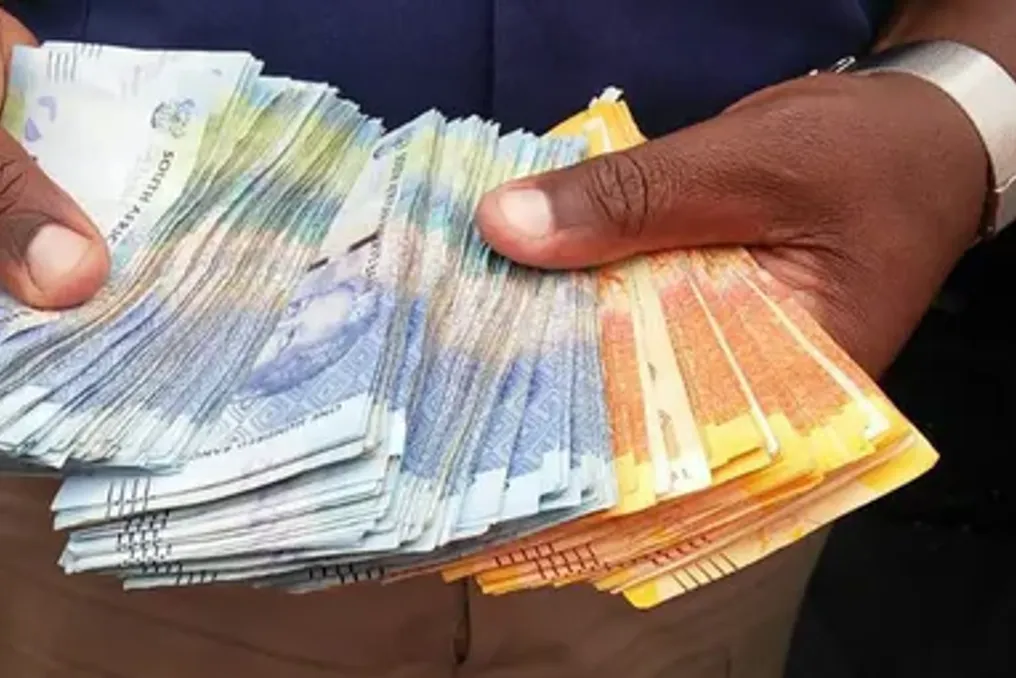
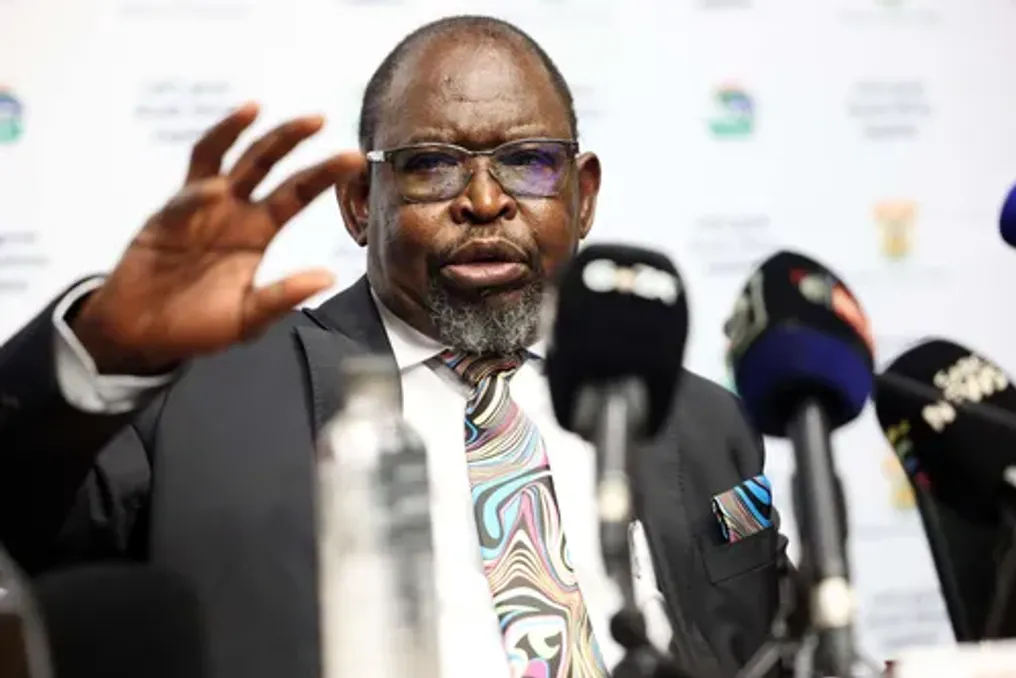
Finance Minister Enoch Godongwana reported that municipalities have outstanding pension contributions amounting to R1.7 billion, which were withheld from employee salaries but not transferred to pension funds. He cited this practice as one of the main reasons why the National Treasury suspended funding for 69 municipalities.
Suspension of Funds and Reasons
Because the municipalities failed to transfer R1.7 billion to the pension funds, funds designated for basic services and daily operations were temporarily frozen. These municipalities are located across all nine provinces and accumulated a total debt to pension funds by the end of February.
The Treasury explained its intervention by stating that the municipalities had repeatedly ignored financial management legislation despite receiving support and guidance. The decision was made in accordance with Section 216(2) of the Constitution and Section 38 of the Municipal Finance Management Act (MFMA).
Total Amount Withheld
In the current fiscal year, approximately R13.5 billion has been withheld from the total allocation for municipal needs of R110 billion, including about R3.6 billion from the City of Johannesburg.
Minister's Comments
Speaking at a press briefing in Pretoria on Friday, Godongwana noted that initially, letters regarding non-compliance were sent to over 100 municipalities. However, 69 municipalities ultimately remained that did not provide satisfactory responses to Treasury officials and the Minister himself.
Godongwana emphasized that the government is not prosecuting the municipalities but merely fulfilling a constitutional obligation to protect public funds while ensuring service delivery. He assured that there is no intention to punish the municipalities, but they are obliged to act in accordance with the legislative framework.
Types of Financial Problems
The Minister clarified that the suspension of funding followed extensive consultations and was not an immediate decision. Municipalities facing financial difficulties fall into several categories. These include those that passed budgets without funding when planned expenditures exceeded expected revenues. The second category includes municipalities that do not pay creditors such as Eskom, water boards, and the Auditor-General.
Nevertheless, Godongwana highlighted the issue of unpaid pension contributions as a serious concern. He reiterated that these municipalities owed R1.7 billion to pension funds as of the end of February because they withheld contributions from employees' salaries but did not transfer them to the relevant funds, which creates problems upon an employee's retirement.
Next Steps and Debts
Godongwana stated that the government is working to resolve this issue while continuing to support the municipalities. He reported that some municipalities have provided satisfactory responses, and the remaining 29 are under review. He added that the first recipients of funds will be able to receive money by next Thursday, provided instructions are issued by the Treasury.
Ogalaletseng Gaarekwe, Deputy Director-General of the National Treasury for Intergovernmental Relations, confirmed that the 29 municipalities will receive the delayed funds next week. She specified that eleven of them will receive the full amount, and eighteen will receive partial funds to cover debts to creditors.
Gaarekwe also reported that the Treasury is addressing outstanding debts owed by provinces and national departments to municipalities. According to consolidated data for December, provinces and national departments collectively owe R27.9 billion, of which R14.9 billion is attributed to provinces. The Treasury has sent letters to the provinces to assess their responses, although some disputes remain.
Godongwana added that the Treasury will apply similar measures to provinces and national departments that fail to meet their financial obligations, as Section 216 applies to all state institutions.