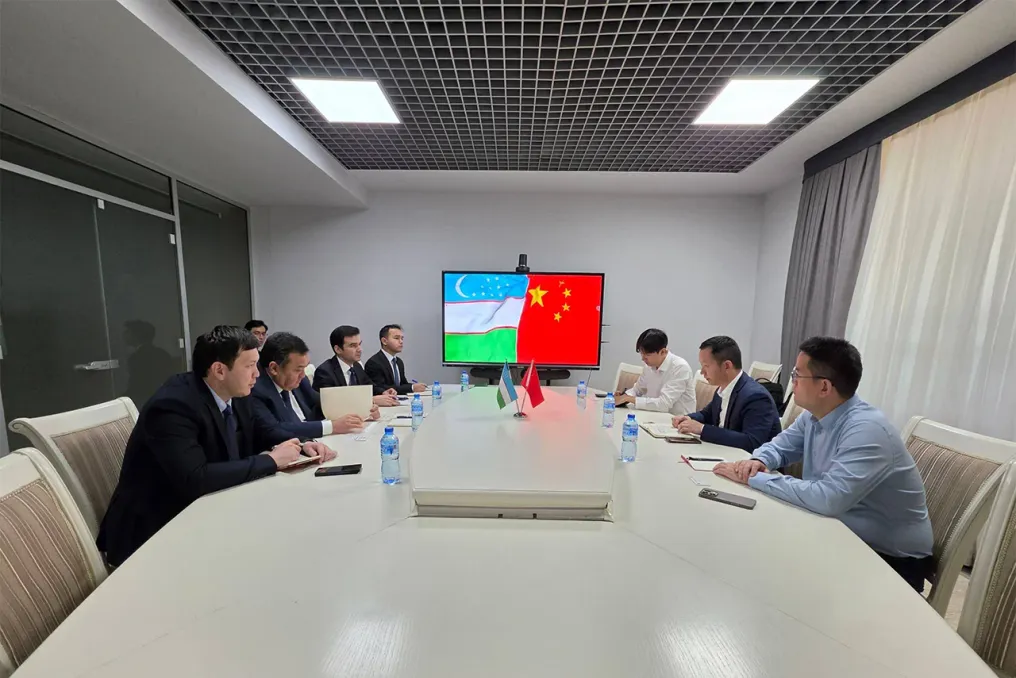
The Road Freight Association (RFA) and the South African Freight and Logistics Association (SAFLA) announced on Tuesday the formalization of a strategic partnership through the signing of a Memorandum of Understanding (MoU).
Objectives of the Cooperation
The partnership is intended to create a broader foundation for advancing interests in logistics and cargo forwarding. According to the statement, this agreement establishes a framework for structured interaction in areas such as customs modernization, border digitalization, trade facilitation, and capacity building, with the overall goal of reducing costs and eliminating obstacles across the entire supply chain.
Participants' Positions
RFA CEO Gavin Kelly welcomed the partnership, calling it timely and a natural alignment of goals. He emphasized that the road transport industry does not exist in isolation, and any delay at an entry port, manual process by any Other Government Agency (OGA), or bottleneck in compliance directly affects carriers in the supply chain.
Kelly added that the formal alliance with SAFLA expands RFA's lobbying capabilities in the forwarding sector, allowing it to present the government with a unified and coordinated signal regarding trade facilitation priorities, rather than fragmented requests from the industry.
Advocating for the power of a collective voice, Kelly noted: 'Many voices speaking in unison carry much more weight than any single association acting alone. This MoU allows RFA to expand its lobbying scope in a meaningful and credible way.'
Importance of Joint Action
SAFLA Executive Director Dave Logan highlighted the necessity of solving practical issues for members of both SAFLA and RFA, as well as the wider South African transport and logistics industry, through coordinated measures. Logan stated that cooperation is essential in freight transport because members operate at the intersection of customs, border management, regulatory compliance, and international trade, facing challenges that no single association can solve.
He also noted that joining forces with RFA creates a platform where the combined weight of memberships can contribute to real and tangible improvements. Logan expressed particular support for the momentum being built through SAFLA's participation in the South African Revenue Service (SARS) Stakeholder Forums, as this MoU deepens those interactions, including the prospects of road transport in discussions with the country's tax authorities.
Priority Areas of Work
According to the statement, the MoU defines several priority areas for joint action, including engagement with SARS, digitalization of OGA processes, development of 'Smart Borders,' improving trade facilitation, capacity building, and process mapping. The associations will also establish escalation mechanisms to address systemic issues on behalf of their members. Special emphasis is placed on OGA digitalization and simplifying customs procedures, where inefficiency continues to generate unnecessary compliance costs.
The statement concluded by asserting that smoother processes within OGA and SARS reduce the administrative burden on forwarders and customs brokers, and the resulting savings are passed directly down the supply chain to operators and carriers. For RFA, this link is central to the partnership's value proposition, and the Memorandum will be reviewed annually by senior executives of both associations to ensure the collaboration meets evolving sector needs.