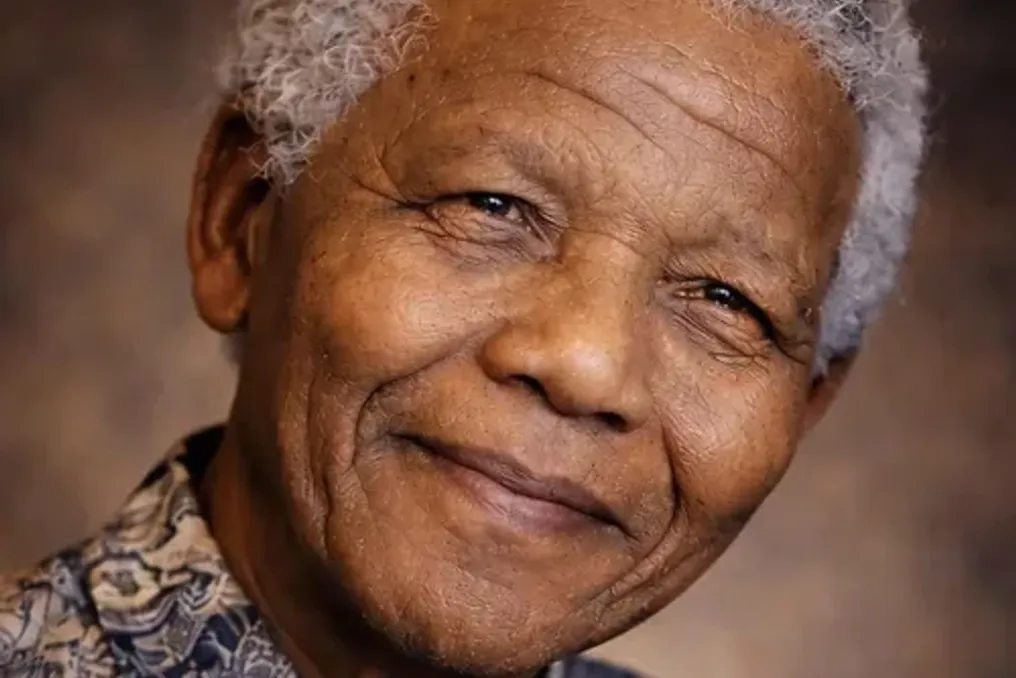
In addition to volunteering and helping others, which remain central elements of Mandela Month, reading can be a powerful catalyst for taking action. This month is not just a celebration of Nelson Mandela's life, but also a reminder that even small acts of kindness, courage, and compassion can have a long-term impact.
The Power of Stories and Change
Every action matters, whether it is dedicating time, protecting others, or studying the past. One of the most effective ways to begin this journey is by turning to books. The right story can change a reader's worldview and inspire them to bring about changes in their own community.
The five significant works presented touch upon themes of forgiveness, resilience, justice, education, and hope, reminding us that change often begins with ordinary people.
Exploring Forgiveness and Reconciliation
The book 'A Human Being Died That Night' by Pumla Gobodo-Madikizela is considered one of South Africa's most important works dedicated to reconciliation and forgiveness. It is a deep exploration of issues of responsibility, atonement, and healing in post-apartheid South Africa.
The author, who was a member of the Truth and Reconciliation Commission's Human Rights Violations Committee, spent months interviewing Eugene de Kock, commander of the apartheid government's death squad 'Vlakplaas,' known as the 'Main Evil' due to the crimes he committed. Instead of focusing solely on his crimes, Gobodo-Madikizela examines the complex issues of remorse, accountability, and the possibility of forgiveness.
The book urges readers to move beyond anger and revenge, asserting that genuine remorse can restore a person's humanity without erasing their responsibility. Forgiveness, according to the book, can be an act of strength for victims. This award-winning book has made a significant contribution to discussions about justice and healing both in South Africa and globally.
A History of Survival Amidst War
For those seeking a story of survival in the face of insurmountable difficulties, Ishmael Beah's 'Long Way Gone: Memoirs of a Boy Soldier' is unforgettable. It tells the true story of a boy whose childhood was destroyed by the civil war in Sierra Leone.
When the civil war reached Beah's village in Sierra Leone, he was only 12 years old. Torn from his family, he wandered through the countryside with other boys, trying to avoid famine and violence. At age 13, he was recruited into the government army, where drugs, violence, and manipulation turned children into soldiers.
Years later, UNICEF saved him, helping him begin a difficult path to healing. Through counseling, music, and patient support, Beah gradually rebuilt his life before moving to New York and becoming an advocate for war-affected children. His memoirs are heartbreaking yet filled with hope, reminding readers that children deserve protection, education, and the right to dream, regardless of where they are born.
Education and the Past of South Africa
For younger audiences and families wishing to understand South Africa's past, Athambile Masilela and Xolisi Huru's 'Together Apart: The Story of Living in Apartheid' offers a fascinating introduction. It introduces young readers to the history of apartheid in South Africa through the eyes of four curious children and their grandmother.
The plot follows four children who return home from school with questions about apartheid. Their grandmother answers them, telling stories of how segregation affected daily life. Rather than focusing only on political leaders or major events, the book explores where people lived, what schools they attended, whom they could marry, and even how they played sports and music. This narrative approach facilitates understanding of a complex history and promotes intergenerational dialogue, reflecting Mandela's belief that education is one of the strongest tools for building a democratic and equal society.
Resilience and the Fight for Freedom
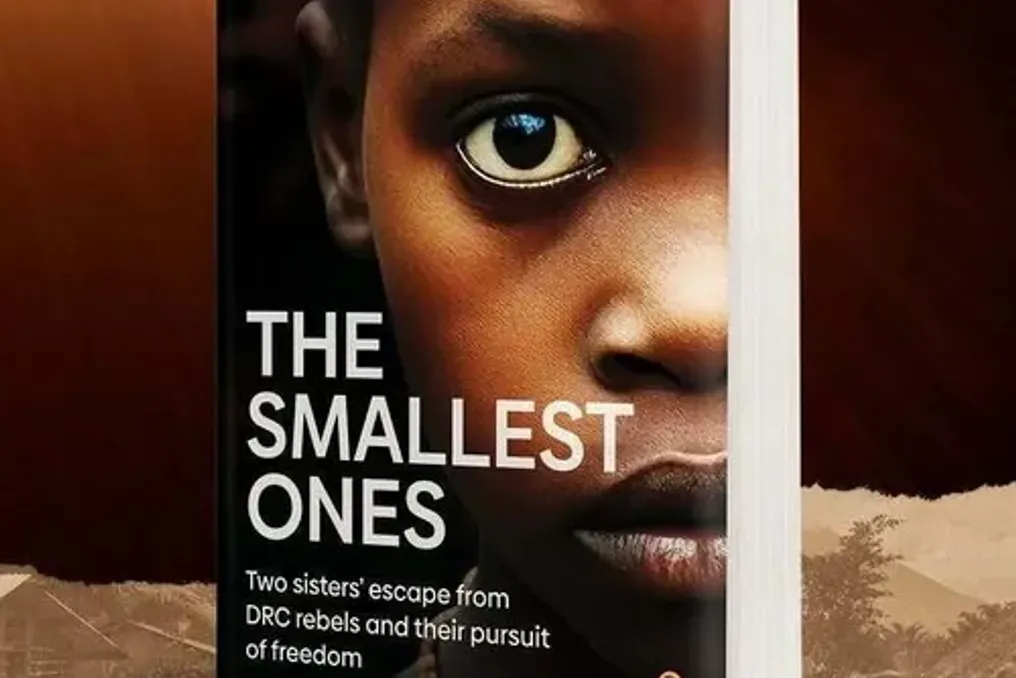
Another remarkable story of resilience is presented by Poppy Homande in 'The Smallest Ones: Two Sisters' Escape from DRC Rebels and Their Pursuit of Freedom.' These are powerful memoirs of survival, endurance, and hope.
When Homande was only five years old, her village was attacked by rebels in the Democratic Republic of Congo. She and her sister were captured and spent five years in captivity, enduring violence and trauma. Their escape marked the beginning of another incredible journey, as they traversed thousands of kilometers through forests, using the sun as a guide. They eventually reached South Africa, where new challenges awaited them. Although she did not hold a pen until age 10, Homande embraced education with determination. She later earned a degree in Information Technology at Nelson Mandela University and specialized in cybersecurity at the University of Cape Town. Her memoirs serve as a reminder that hope can survive even in the darkest circumstances, and they reflect Mandela's conviction that societies should be judged by how they care for their most vulnerable members.
The Courage to Expose Corruption
Speaking out against corruption requires courage, and Mandi Wiener's 'The Whistleblowers' sheds light on those who risk everything to expose abuses. Instead of focusing on court cases or political drama, Wiener tells the stories of fifteen individuals from different parts of South Africa who decided to reveal corruption despite personal costs.
Their experiences span corporate boards and state capture networks, as well as farming communities and areas affected by organized crime. The book shows that whistleblowers are rarely seen as heroes; many lose their jobs, face financial hardship, intimidation, or live under constant threat. Wiener also explores the complex reality that not every whistleblower has an impeccable past, raising important questions about accountability and public interest. The result is a thought-provoking look at honesty, bravery, and the price people sometimes pay for the truth.