Among people, the place of those who dedicated their lives to serving the country's development, making it part of the meaning of their lives, is considered special among the victims of repression. Nazirkul Hasanov, who came of age in Zomin and held responsible positions at the republican level, was also one of these martyrs. Unfortunately, this person, who considered serving the nation his duty, became another victim of the political purge of 1937–1938.
Preserving the Memory of Repression Victims
The national independence has provided an opportunity to fully study the darkest and most painful pages of history. Today, restoring the names of the victims of repression and providing information about their lives and activities to young people has become one of the important directions of state policy, aiming to strengthen the feeling of respect for history and loyalty to memory.
For this reason, every August 31st is observed as the Day of Remembrance of Repression Victims, honoring the memory of thousands of our compatriots who sacrificed their lives for the path of the homeland's independence and the public interest. Among them is Nazirkul Hasanov, a brave and resolute son from the land of Zomin.
The Life and Activities of Nazirkul Hasanov
Nazirkul Hasanov was born in 1903 into a poor peasant family in Yom village, Zomin district. His childhood was spent with labor and hardship. Although he received religious education in 1914–1916, he later studied for a year and a half at the Russian-Turkmen school in Zomin. However, his positive attitude towards the Jizzakh uprising in 1916 influenced his fate, and he was forced to leave his studies and engage in farming.
The initiative and leadership qualities inherent in his nature manifested early. Before long, he participated in establishing a Komsomol cell. Having been active as a member of the VKP(b) since 1920, Nazirkul Hasanov performed responsible duties in the Jizzakh district party committee and in council organizations in Samarkand and Surkhandarya. Later, he worked as the chairman of 'Ozkolkhozstroy' in 1930–1933, then as deputy head of the People's Commissariat of Land Affairs of the Republic, and from 1934 as the chairman of the Executive Committee of the Khorezm region. At the same time, he continuously increased his knowledge and experience by receiving external education at the Sverdlov Institute.
Contribution to Development in Khorezm
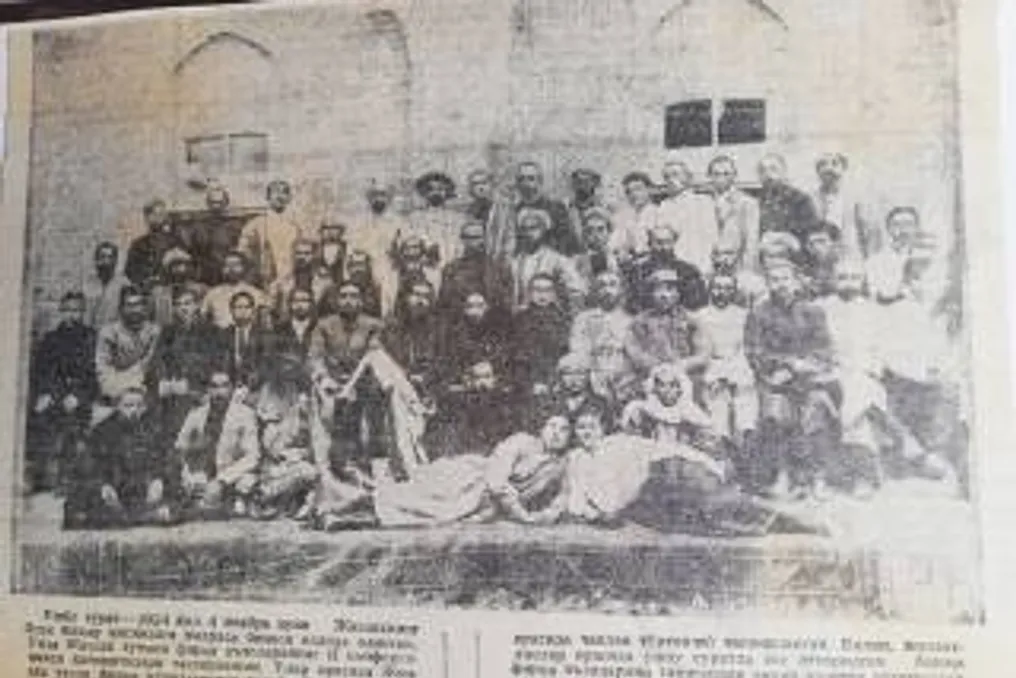
According to historical sources, Nazirkul Hasanov is considered one of the leaders who made a significant contribution to the socio-economic development of the region during his time in Khorezm. Some research notes that he, along with other regional leaders of that era, played an active role in the establishment of a higher education institution in Khorezm. This information is confirmed in modern memories and archival documents.
Political Persecution and Justice
However, the 'Great Terror' of 1937, one of the harshest periods of history, spared him no quarter. On August 6, 1937, Nazirkul Hasanov, arrested by NKVD officers, was subjected to criminal proceedings based on fabricated charges. A year later, on November 2, 1938, his case was reviewed, and he was sentenced to death by shooting.
However, the scales of justice of history spoke. During the years of independence, the names of the victims of repression have been cleared, and wide paths have been opened to study their lives and activities. Scientific research has been conducted based on archival documents regarding Nazirkul Hasanov, and articles have been published about his life and service in public administration.
The life path of Nazirkul Hasanov is a bright example of how the suffering, hopes, and lessons of an entire nation are embodied behind the destiny of one person. Honoring the memory of such individuals is respect for the past, responsibility for the present, and a duty for the future, because the names of those who were sacrificed for the freedom of the people and the future of the Homeland will never be forgotten.