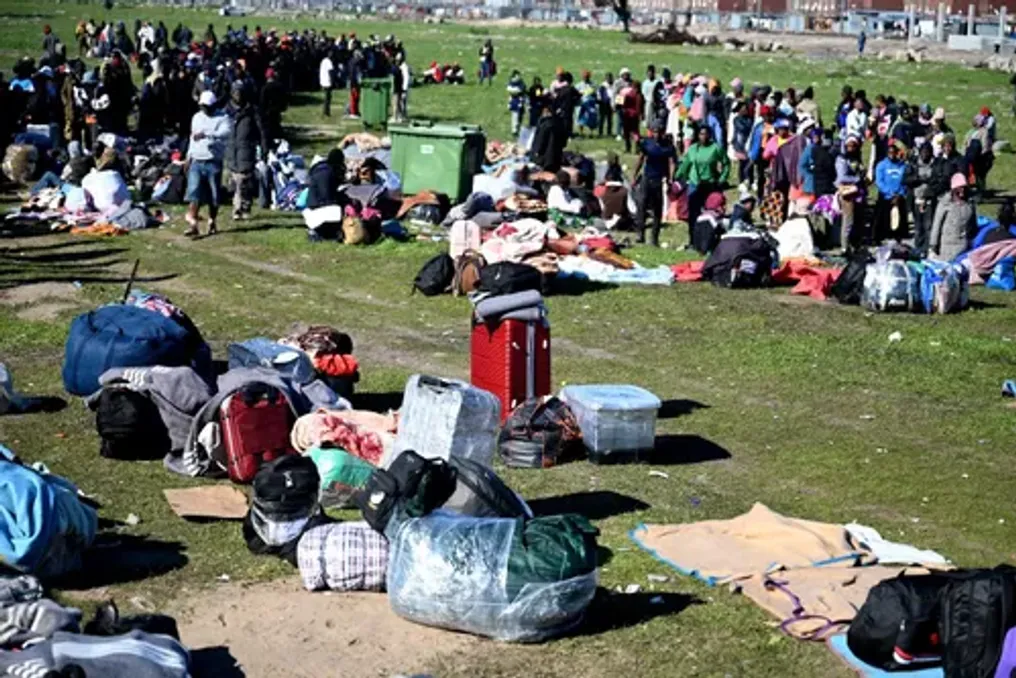
On the occasion of World Population Day, observed on July 11th, discussions are taking place about how many people the planet can sustain. For a long time, the main problem was considered to be population growth and the pressure it exerts on resources such as food, water, housing, and the environment. However, today's problem in South Africa is different.
Risks and Demographics
The main risk for South Africa is not rapid population growth, but the possibility that the country will fail to transform its relatively young population into a driving force for economic growth, social stability, and sustainable development before this chance disappears.
Demography goes beyond simple counting of people; it is related to understanding how changes in birth rates, mortality, and migration affect the economy, society, and public administration over time. These shifts determine the size of the future workforce, the burden on public services, urbanization patterns, and ultimately, the prosperity or difficulties of the country.
Societal Transformation
South Africa is undergoing precisely such a transition. The fertility rate in the country has steadily declined over the past decades: it fell from an average of 2.78 children per woman in 2008 to approximately 2.41 in 2024. Simultaneously, South Africans are living longer. The median age increased from 22 years in 1996 to 28 years in 2022, and the proportion of elderly people is predicted to increase significantly in the coming decades. These trends indicate not a demographic decline, but societal maturity.
For countries that prepare properly, this stage represents a unique opportunity known as the demographic dividend. When the share of the adult working-age population grows relative to dependents, economies can demonstrate faster growth, increased productivity, and improved living standards. Nevertheless, this outcome never happens automatically; demography creates opportunities, but policy determines whether they will be realized.
Policy Status and Challenges
The recently concluded Population Policy+25 Review, approved by the Cabinet at the beginning of this year, paints a worrying picture. South Africa still has a young population capable of bringing long-term economic and social benefits. However, the structural conditions necessary to unlock this dividend remain extremely limited.
Persistent unemployment, unequal educational outcomes, healthcare imbalances, spatial inequality, weak municipal capacity, and chronic poverty continue to limit the opportunities of millions of young South Africans. Rural communities, especially female-headed households, remain disproportionately vulnerable, often bearing the dual burden of poverty, caregiving responsibilities, and reliance on social welfare. These factors are not merely social problems, but demographic risks.
When youth cannot acquire skills, find decent employment, or fully participate in the economy, the demographic dividend is postponed or lost altogether. Instead of ensuring sustainable economic growth, governments face increasing fiscal pressure due to the simultaneous rise in unemployment, inequality, and social protection needs.
Importance of Human Capital
Discussions within ESG often focus on climate change, emissions, and natural resource management, which is undoubtedly important. However, human capital is no less important for sustainable development. The future competitiveness of the country depends not only on its natural resources but also on the health, education, and productivity of its citizens.
These demographic trends require much more attention in both corporate strategy and government policy. Businesses planning future investments, workforce development, infrastructure, or consumer markets cannot ignore the profound demographic shifts currently underway. Similarly, governments responsible for evolving systems of education, healthcare, housing, transport, and labor markets must do so in line with changing demographic realities.
Requirements for Long-Term Measures
The country's population policy, first adopted in 1998, initially viewed the population in the context of the broader goal of sustainable human development. A later review, Population Policy+25, confirmed the importance of including demographic data in government planning, budgeting, and program implementation.
Demographic changes cannot be reversed through political rhetoric or managed by isolated measures. This requires long-term investment in education, healthcare, job creation, effective local governance, and institutions capable of translating demographic knowledge into practical policy. As populations age, labor markets change: demand for healthcare increases, migration flows evolve, and cities expand while some rural areas shrink. These transitions affect everything—from infrastructure investment and fiscal planning to social cohesion and environmental sustainability.
However, demographic dividends are temporary. Every year that youth are excluded from quality education, productive employment, and meaningful economic participation, the window of opportunity narrows. Thus, on World Population Day, the question is not whether there are too many people in South Africa. The real question is whether we are creating the conditions for our citizens to become our greatest national asset.