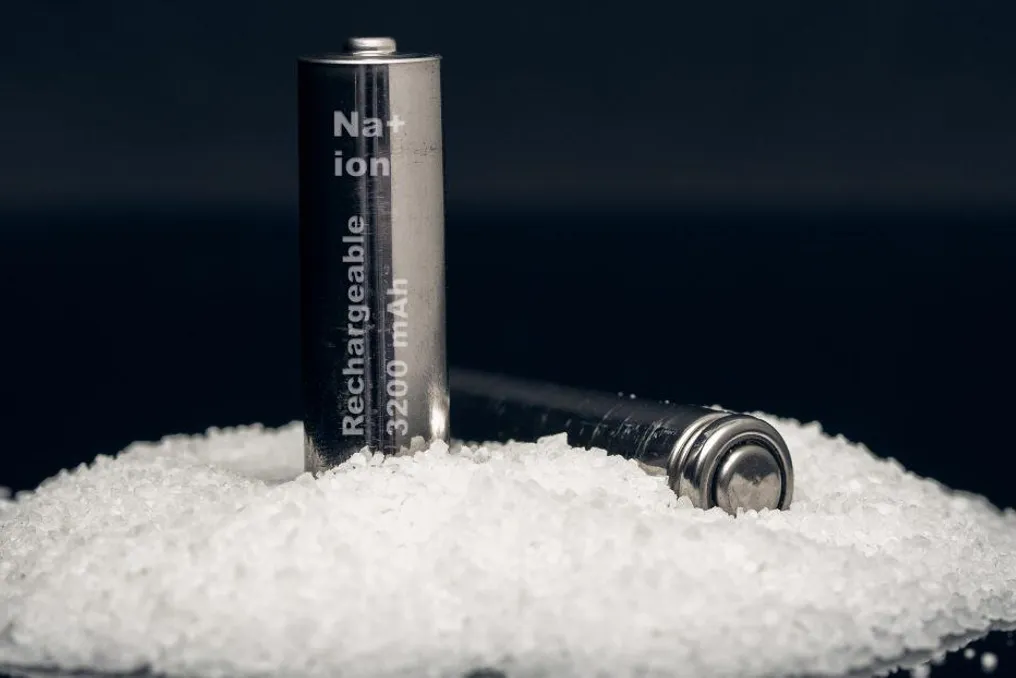
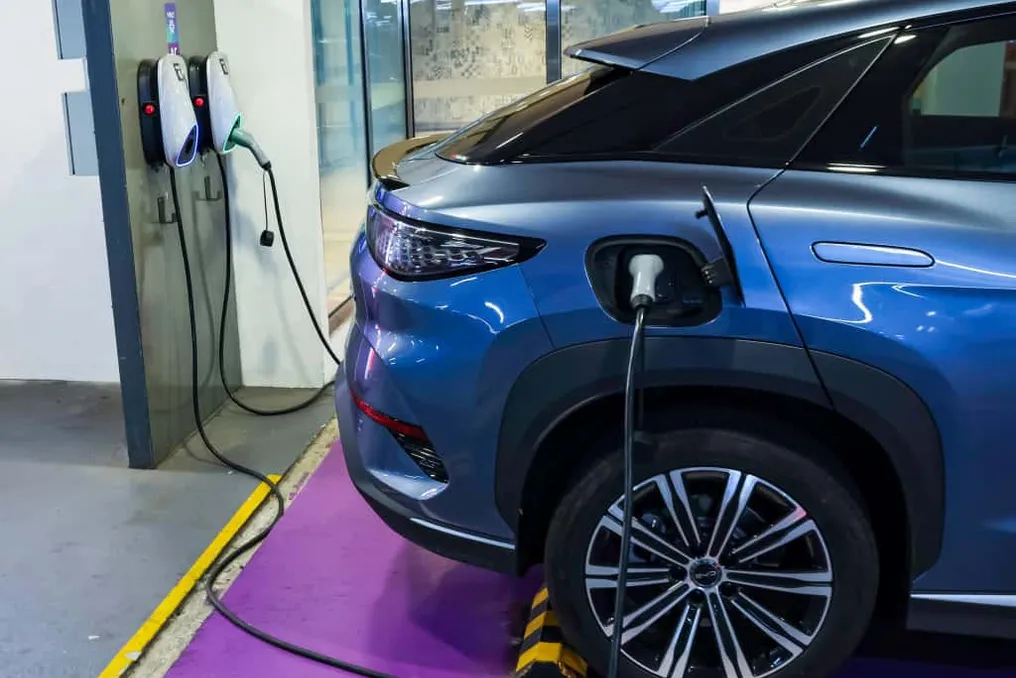
Researchers at the University of Michigan have developed a new methodology to optimize the battery management of electric vehicles. This study, published in the journal Joule, focuses on lithium batteries that use a combination of silicon and graphite, aiming to extend their longevity through dynamic thermal adjustments.
How the Dynamic System Works
The proposed system integrates into the vehicle itself and has the ability to analyze the charge data naturally generated during use. Based on this information, it can precisely identify the moments when the silicon in the battery cells is most susceptible to wear. By making this reading, the system intervenes dynamically, regulating the battery temperature according to the behavior of the internal components, heating or cooling the unit according to the most active material, which minimizes wear over time.
Collaborations and Scientific Basis
This project received support from General Motors and Imperial College London, in addition to funding from the National Science Foundation. The results point to significant potential for increasing the durability of batteries used in electric cars.
The research starts from the fact that modern batteries combine graphite and silicon, with the latter being a material capable of retaining approximately ten times more lithium. However, silicon shows greater fragility during charging and discharging processes. Zhiwen Wan, the doctoral student responsible for the investigation, emphasized that progress depends on the union between the material and operational control, stating that advanced materials will only reach their maximum potential if they are intelligently managed after being integrated into real products.
Operational Variations and Limitations
The investigation revealed that the point of action of silicon is not constant; it fluctuates depending on how the vehicle is used, potentially varying between 33% and 73% of the charge level, which modifies the ideal management strategy. Anna Stefanopoulou, senior co-author, clarified that current systems usually operate with fixed parameters, but their work paves the way for active diagnostic management systems.
Tests also showed that silicon can undergo expansions of up to 300% in full charge cycles, leading to the formation of fissures and loss of active material over time. Furthermore, the scientists noted that temperature affects aging in distinct ways: heat aids performance during active use, while high temperatures at rest accelerate internal deterioration. Jason Siegel, an involved engineer, stressed the importance of selective control, as temperature must be applied in a targeted manner.
Application Strategy
The suggested mechanism uses this behavior to heat the battery when the silicon is most active and cool it when the graphite dominates or when the car is parked. This tactic is specifically limited to slow charging situations, such as those performed using home outlets or low-capacity public points.