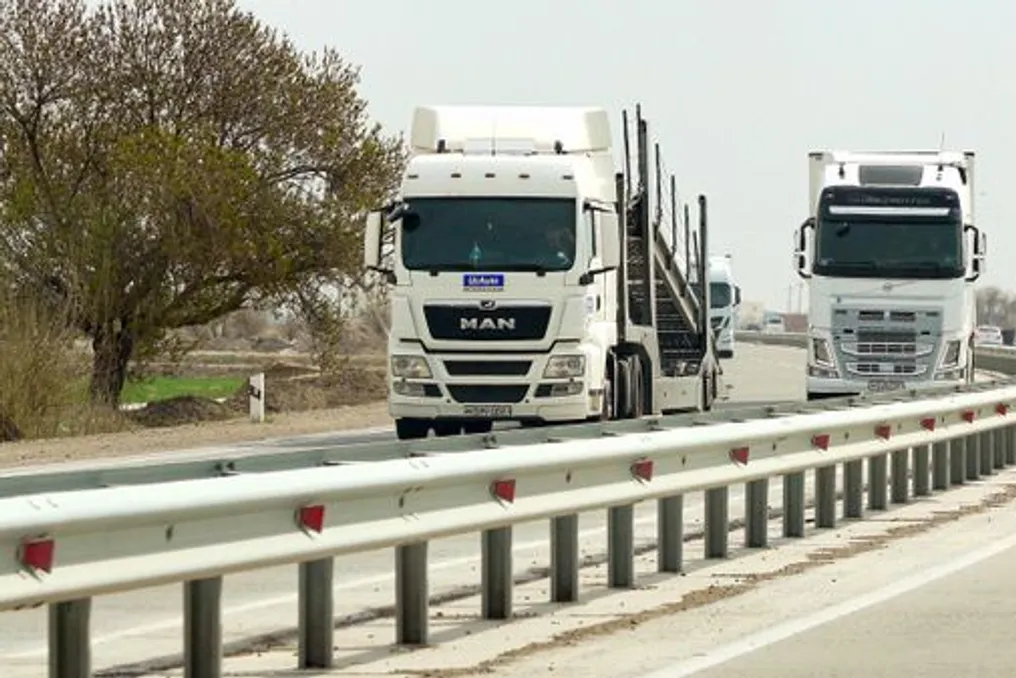
According to data from the international logistics platform ATI.SU, in the second quarter of 2026, there was a sharp increase in demand for domestic freight transport in Uzbekistan, while growth in international directions almost stalled.
According to data from the international logistics platform ATI.SU, in the second quarter of 2026, there was a sharp increase in demand for domestic freight transport in Uzbekistan, while growth in international directions almost stalled.
The platform noted that the number of orders for import transport decreased by 9% compared to the same period last year and by 55% compared to the first quarter. Meanwhile, average rates remained approximately at last year's level.
By direction, orders to Russia decreased by 18% year-on-year and by 61% compared to the first quarter. Transport from Kazakhstan fell by 10%, while the direction to Belarus recorded an almost twofold increase.
Stability is maintained in the field of export transport: the number of applications for road transport increased by 1% year-on-year. A decrease of 3% was noted for the direction to Russia, and an increase of 31% for Belarus. The average cost of freight transport by road on export routes slightly increased.
The most significant growth was recorded in domestic transport. In the second quarter, the number of applications doubled compared to the first quarter and quadrupled compared to the same period last year. The company explains this phenomenon as real demand and the spread of digital logistics tools.
Farid Vohidov, director of the ATI.SU representative office in Uzbekistan, linked the decline in directions to Russia to a number of factors: sanctions pressure, border congestion in Kazakhstan, increased customs control and regulatory requirements, as well as rising fuel prices, increased delivery times, and the high ruble exchange rate. He emphasized that these factors may intensify in the third quarter, but continued growth in demand, especially in the domestic market, is expected.
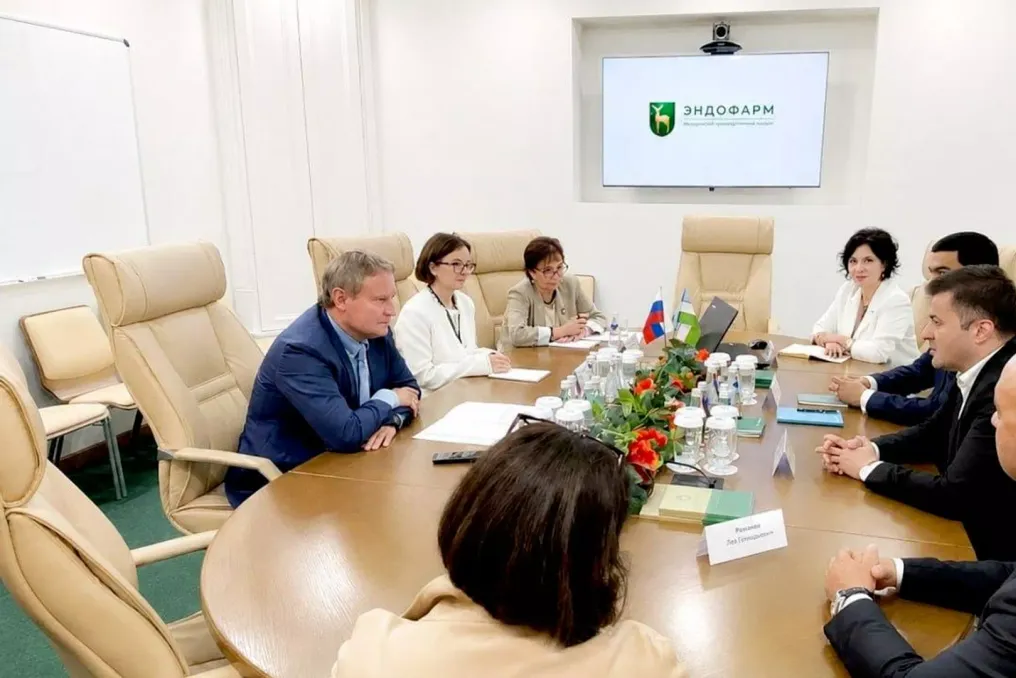
A meeting took place in Tashkent between a delegation from Uzbekistan and the Russian scientific and production company 'GENERIUM' to discuss issues of localizing the production of in-demand medicines in the country.
During the negotiations, aspects such as technology transfer, the possibility of producing highly sought-after medications in Uzbekistan, and the creation of joint scientific and production facilities were reviewed. The Ministry of Health reported on this meeting.
The delegation familiarized itself with the full cycle of creation and production of medicinal products at the 'GENERIUM' company, including the development of biotechnological drugs and their subsequent industrial manufacturing. Promising areas for interaction between the private healthcare and pharmaceutical sectors of Uzbekistan and Russia were identified.
As part of the visit, the delegation visited the International Medical Cluster, as well as the clinics 'Lapino', 'Hadassah Medical Moscow', and 'Olymp Clinic MARS'. Modern medical standards, management methods, and patient-interest-based approaches were discussed there.
The Republic of Kyrgyzstan has temporarily banned the export of petroleum products to ensure the stable functioning of the domestic market.
According to the statement, this restriction applies to gasoline, diesel fuel, and other types of fuel. However, the decision does not affect crude oil, fuel oil, or heating fuel.
The decree states that the ban will remain in effect until the domestic market is saturated or a common oil market is formed within the Eurasian Economic Union (EAEU).
It is reported that this ban previously applied to shipments outside the customs territory of the EAEU. The Russian Federation was the main supplier of fuel to Kyrgyzstan. Currently, the Russian Federation is facing a fuel crisis due to the Ukrainian conflict.
Sequential work is underway in the Muborak district of Karashar district to launch new industrial capacities with the participation of foreign investments and the production of export-oriented products. This contributes to increasing the region's industrial potential, creating new jobs, and expanding export geography.
Currently, several production enterprises are operating in the district with the participation of investors from China, Russia, Turkey, South Korea, Afghanistan, and Iran. At these enterprises, competitive goods based on local raw materials and modern technologies are prepared and subsequently supplied to external markets.
One such enterprise is the company 'Mu Yuan', established with the participation of Chinese capital. Two million US dollars were invested in this project, after which a modern production process was launched. Aluminum products are manufactured at this enterprise, and the finished goods are exported to the Chinese market.
This not only increases export volume but also strengthens the competitiveness of domestic products in the international market. Currently, about 30 local residents are continuously employed at this enterprise. The investment projects being implemented in the Muborak district are of great importance as a practical result of reforms aimed at diversifying the region's industry, ensuring employment, and expanding the production of export goods.