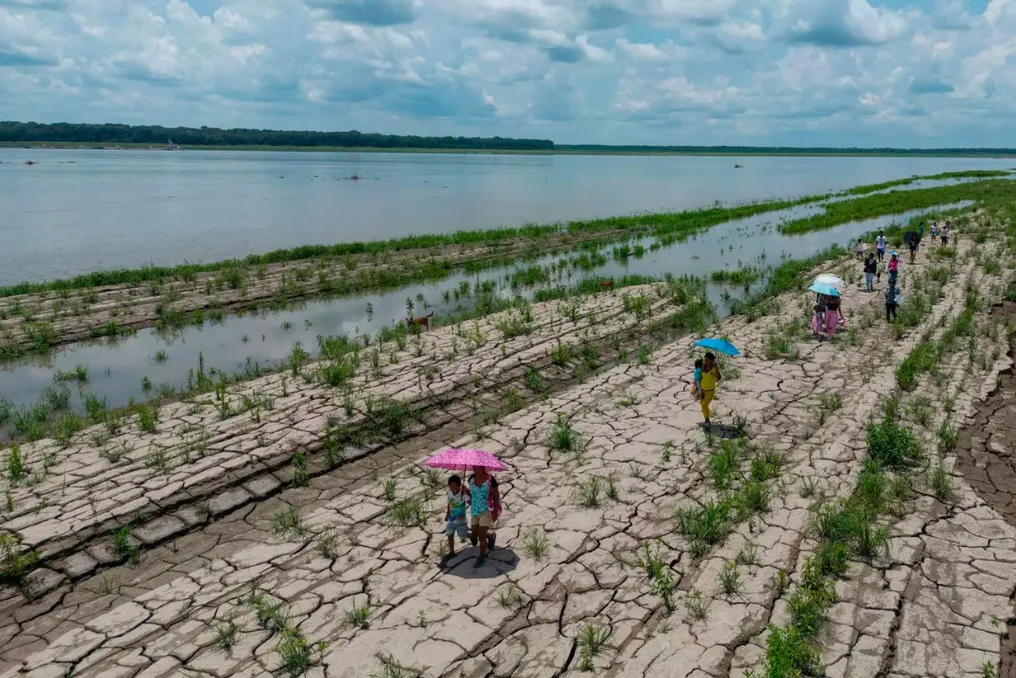
According to the latest update from the World Meteorological Organization (WMO), the rapid development of the El Niño phenomenon is being noted for the period from July to September. This circumstance increases the probability of heatwaves, droughts, and other extreme weather events in many parts of the globe, including the Indian subcontinent.
Impact of El Niño on India
India is already feeling the effects of El Niño. In June, the country recorded a significant rainfall deficit of 40%, which negatively affected the sowing of almost all Kharif (summer) crops. As a result, the total cultivated area in the country decreased by approximately 23% compared to the same period last year.
Characteristics and Forecast of the Phenomenon
El Niño is a natural climate pattern characterized by elevated sea surface temperatures in the central and eastern equatorial Pacific Ocean. This phenomenon is traditionally associated with a weak monsoon and a harsher summer in India. Such events occur every two to seven years and typically last from nine to twelve months.
WMO Secretary-General Celeste Saulo stated that El Niño conditions have already begun and are predicted to rapidly intensify into a strong event. She emphasized that this will worsen the chances of drought and heavy rainfall, as well as increase the risk of heatwaves both on land and at sea in many regions of the world.
Agricultural Situation
Although the rainfall deficit in India is gradually decreasing due to the spread of the monsoon across the country and other meteorological factors in July-September, the condition of Kharif crops will depend on both the amount and spatial distribution of rainfall in the 'monsoon core zone'—the area where agriculture heavily relies on seasonal precipitation.
According to the Ministry of Agriculture, on June 25, the total cultivated area was 182 lakh hectares, which is 23% less than the 236 lakh hectares the previous year. All major crops—rice, pulses, oilseeds, coarse grains (sorghum and maize), and cotton—showed a smaller planted area this year compared to last year. The largest decrease in area was observed in oilseeds, where the drop amounted to 53%.