In the Syrdarya region, two young people who stand out due to their active participation in social life, contributing to the country's development and working in youth policy, were awarded one of the high state decorations—the 'Uzbekistan Badge'.
In the Syrdarya region, two young people who stand out due to their active participation in social life, contributing to the country's development and working in youth policy, were awarded one of the high state decorations—the 'Uzbekistan Badge'.
The awardees are Yorqinjon Hayitboev, who is an advisor on promoting book-loving in the Youth Union of Uzbekistan, and Shuhratjon Hasanov, press secretary of the Syrdarya region Youth Affairs Department. Both representatives are heads of the initial institution of the Youth Union of Guliston State University and the Syrdarya region Youth Affairs Department, respectively.
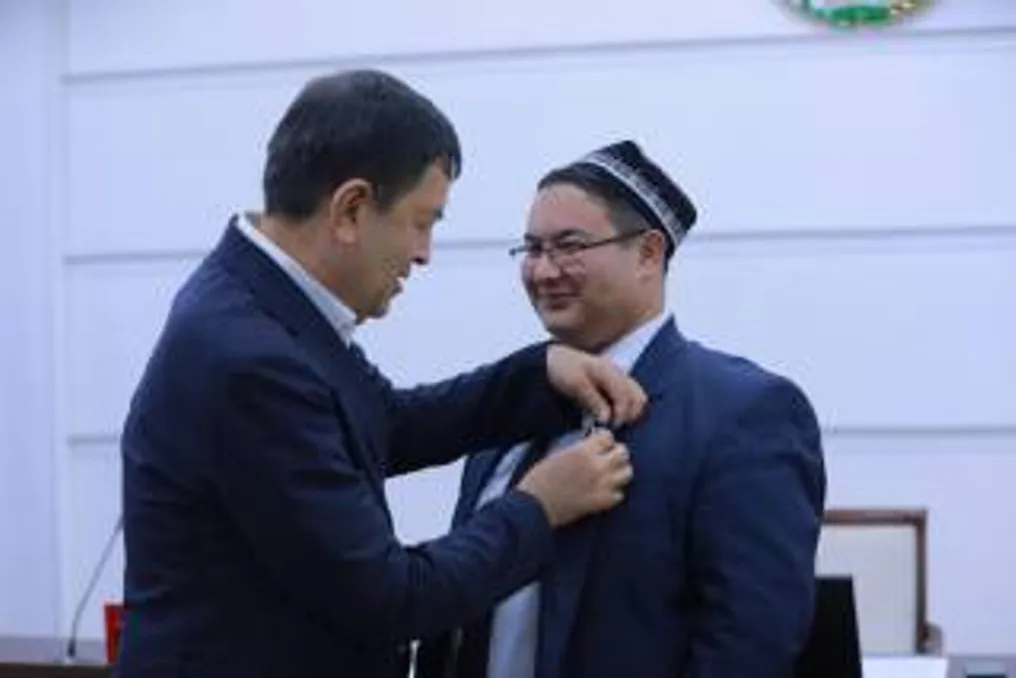
The governor of the Syrdarya region, Erkinjon Turdimov, presented the badges of distinction at the solemn ceremony and personally congratulated the awardees on this high recognition. It was emphasized that this award is a practical expression of encouragement for youth who demonstrate activity in state and public activities, contribute to improving the spiritual and educational environment, promote reading culture, and ensure the interests of youth in the country's development.
One of the awardees, Yorqinjon Hayitboev, shared his feelings, noting that this day became one of the happiest and most unforgettable days of his life. He called receiving the 'Uzbekistan Badge' a great honor and a great responsibility. He expressed gratitude to his teachers, parents, colleagues, and all loved ones for the high evaluation of his work. He also stated that this recognition will inspire him to continue working with great enthusiasm on promoting reading culture among youth and increasing their intellectual and spiritual potential to justify the trust placed in him.
The entrance exams were conducted to select talented youth, objectively assess their intellectual potential, and open up broad avenues in modern education. This task is one of the priorities in the country's educational policy.
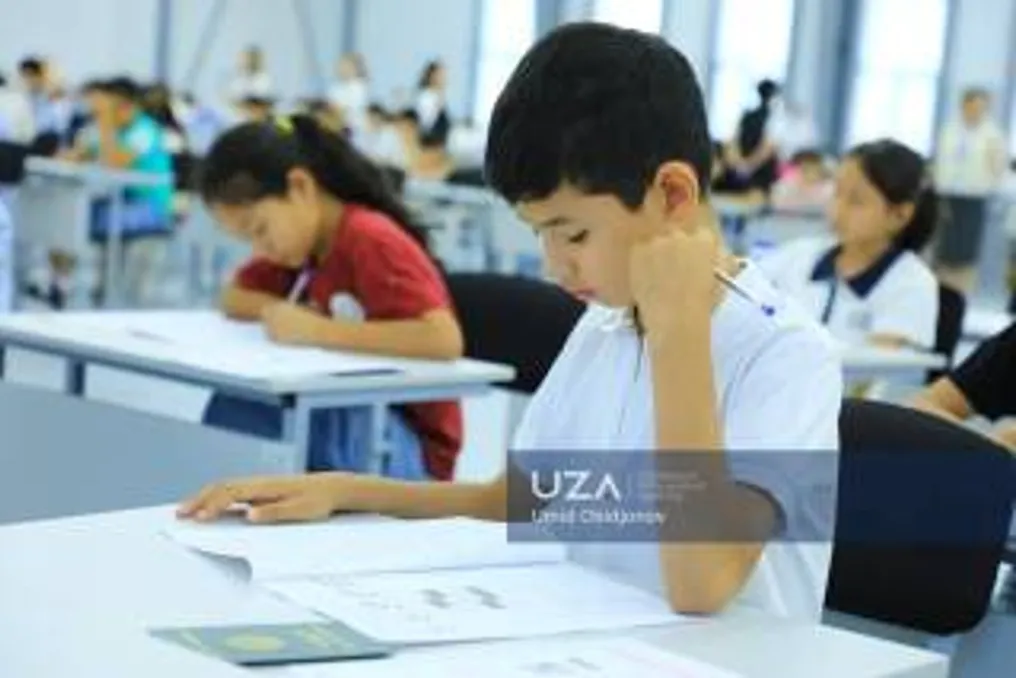
Test assessments were organized at the branch of the Muhammad al-Khwarizmi Specialized School in the Syrdarya region in accordance with these principles for admitting students for the 2026–2027 academic year. The admission processes, which took place simultaneously across the republic, were also carried out at a high level in the Syrdarya region.
Candidates took tests in mathematics and English. The exams were organized in several locations: at the district unit of the Agency for Knowledge and Ability Assessment, in the hall of individual competitions of the Guliston Center for Training for Olympic and Paralympic Sports, at the specialized gymnastics school, and in the buildings of the Muhammad al-Khwarizmi Specialized School branch in Guliston.
This year, 3633 students participated in the admissions campaign. Safety, order, and objective assessment requirements were fully provided for them. All classrooms were equipped with the necessary technical means, ensuring equal opportunities for every candidate. This has become an important aspect of the admission system aimed at prioritizing knowledge and abilities over any other factors.
To ensure the openness of the examination process, parents were given the opportunity to monitor their children's participation in the testing online. This not only guaranteed transparency but also strengthened confidence in the admissions campaign.
According to specialists, in addition to subject knowledge, candidates are assessed on their ability for logical thinking and intellectual potential. Therefore, the admission process to specialized schools plays a key role in identifying young people who will become highly qualified specialists in science and digital technologies in the future.
According to available information, three classes were created for the 5th grade at the Guliston branch, with 24 students admitted to each, totaling only 72 people. This means that about 51 candidates competed for one spot. The high competition clearly demonstrates the growing authority of this educational institution, the quality of education, and the interest in the opportunities it provides.
Following the tests, the most suitable, knowledgeable, and talented candidates will be accepted into the Muhammad al-Khwarizmi Specialized School branch.
The Cabinet of Ministers of the Republic of Uzbekistan has decided to introduce a system for training bachelor's degree holders in early childhood education, based on international experience.
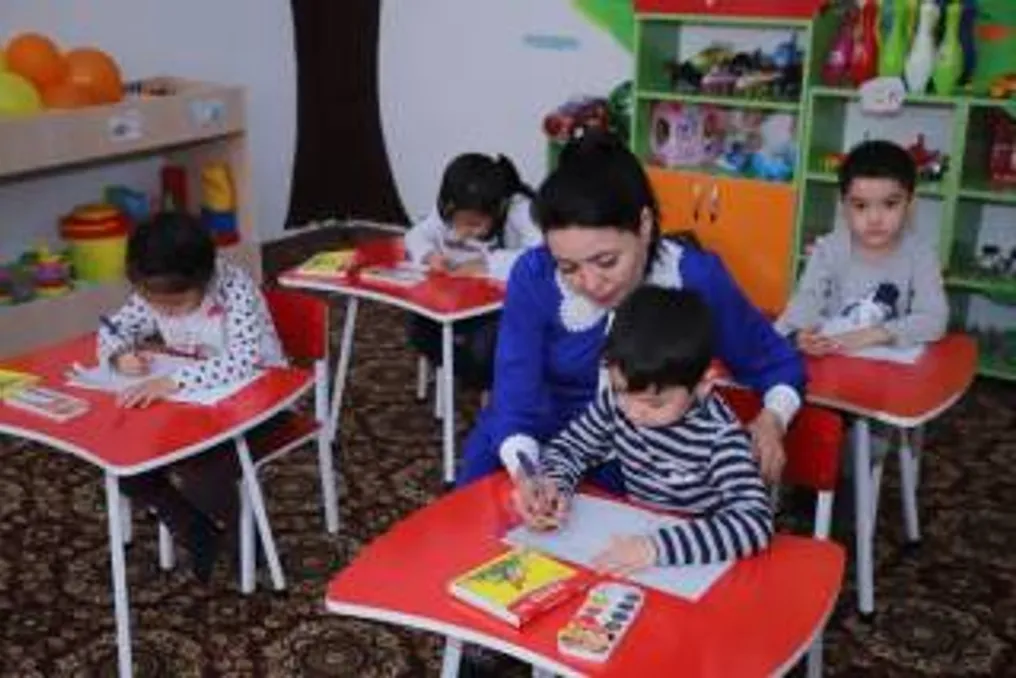
According to this decision, starting from the 2026/2027 academic year, dual education will be launched for qualified mid-level educators working in state and non-state preschool institutions. These specialists will be able to study a bachelor's program in early childhood education one day a week at a higher pedagogical educational institution and five days at the preschool institution under contract.
During the training of bachelor's degree holders in early childhood education, in addition to forming modern skills in preschool institution pupils, knowledge and competencies necessary for conducting physical education classes and providing first aid will be developed.
Bachelor's students studying at state and non-state higher educational institutions that train teachers will undergo external diagnostics annually according to an approved schedule to check their level of knowledge.
Starting from the 2028/2029 academic year, graduates of bachelor's programs where international educational programs have been introduced within the framework of the Ministry of Preschool and School Education of Uzbekistan will have the opportunity to participate in professional certification exams free of charge upon their own request, in addition to final state certification, starting from the 2029/2030 academic year.
In accordance with the decision, admission to the dual form of bachelor's education in early childhood education is based on the results of entrance exams conducted according to the current procedure for admission to bachelor's programs at higher educational institutions in state and/or non-state preschool institutions where these specialists have worked for at least three years.
The parameters for admission to the dual form of bachelor's education in early childhood education are approved by the State Commission for Admission to Educational Institutions of the Republic of Uzbekistan, taking into account the needs of the respective regions. Admission to higher pedagogical educational institutions for the dual form of bachelor's education in early childhood education is only for educators working in preschool institutions of the relevant region.
The Ministry of Preschool and School Education approves the mechanisms for methodological support, coordination, and assessment of students' practical activities in preschool institutions jointly with the Ministry of Higher Education, Science and Innovation. Educational staff studying under this program are not involved in advanced training courses outside of the production process.
The decision provides for the development of a 'roadmap' to organize the training system for qualified mid-level specialists working in preschool institutions in a dual form. A list of higher pedagogical educational institutions where personnel will be trained in the dual form of bachelor's education in early childhood education has also been approved.
Among people, the place of those who dedicated their lives to serving the country's development, making it part of the meaning of their lives, is considered special among the victims of repression. Nazirkul Hasanov, who came of age in Zomin and held responsible positions at the republican level, was also one of these martyrs. Unfortunately, this person, who considered serving the nation his duty, became another victim of the political purge of 1937–1938.
The national independence has provided an opportunity to fully study the darkest and most painful pages of history. Today, restoring the names of the victims of repression and providing information about their lives and activities to young people has become one of the important directions of state policy, aiming to strengthen the feeling of respect for history and loyalty to memory.
For this reason, every August 31st is observed as the Day of Remembrance of Repression Victims, honoring the memory of thousands of our compatriots who sacrificed their lives for the path of the homeland's independence and the public interest. Among them is Nazirkul Hasanov, a brave and resolute son from the land of Zomin.
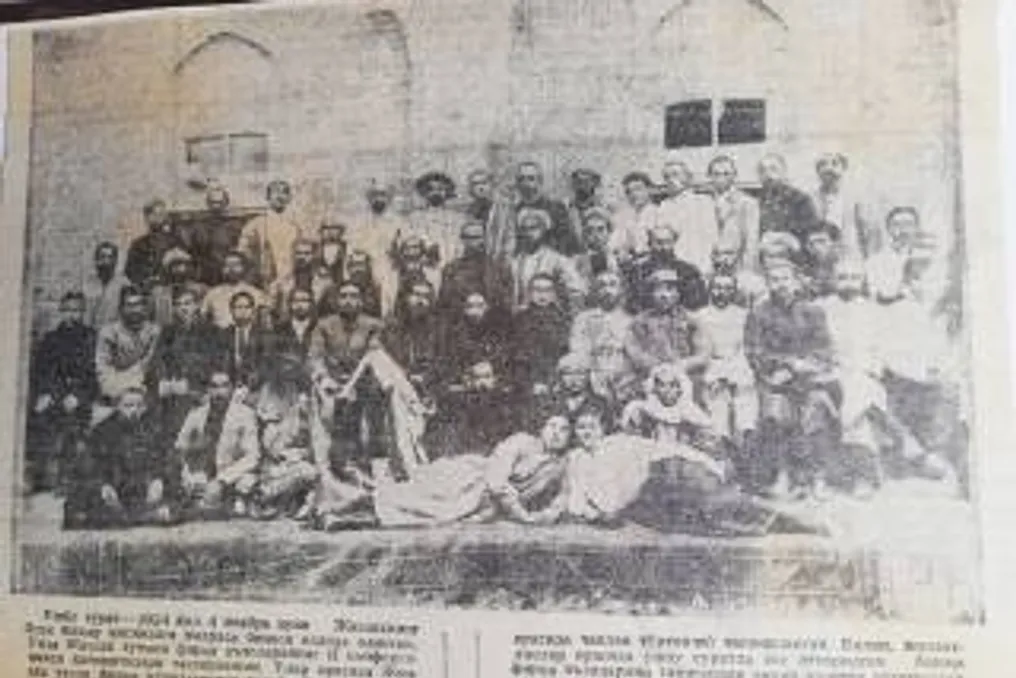
Nazirkul Hasanov was born in 1903 into a poor peasant family in Yom village, Zomin district. His childhood was spent with labor and hardship. Although he received religious education in 1914–1916, he later studied for a year and a half at the Russian-Turkmen school in Zomin. However, his positive attitude towards the Jizzakh uprising in 1916 influenced his fate, and he was forced to leave his studies and engage in farming.
The initiative and leadership qualities inherent in his nature manifested early. Before long, he participated in establishing a Komsomol cell. Having been active as a member of the VKP(b) since 1920, Nazirkul Hasanov performed responsible duties in the Jizzakh district party committee and in council organizations in Samarkand and Surkhandarya. Later, he worked as the chairman of 'Ozkolkhozstroy' in 1930–1933, then as deputy head of the People's Commissariat of Land Affairs of the Republic, and from 1934 as the chairman of the Executive Committee of the Khorezm region. At the same time, he continuously increased his knowledge and experience by receiving external education at the Sverdlov Institute.
According to historical sources, Nazirkul Hasanov is considered one of the leaders who made a significant contribution to the socio-economic development of the region during his time in Khorezm. Some research notes that he, along with other regional leaders of that era, played an active role in the establishment of a higher education institution in Khorezm. This information is confirmed in modern memories and archival documents.
However, the 'Great Terror' of 1937, one of the harshest periods of history, spared him no quarter. On August 6, 1937, Nazirkul Hasanov, arrested by NKVD officers, was subjected to criminal proceedings based on fabricated charges. A year later, on November 2, 1938, his case was reviewed, and he was sentenced to death by shooting.
However, the scales of justice of history spoke. During the years of independence, the names of the victims of repression have been cleared, and wide paths have been opened to study their lives and activities. Scientific research has been conducted based on archival documents regarding Nazirkul Hasanov, and articles have been published about his life and service in public administration.
The life path of Nazirkul Hasanov is a bright example of how the suffering, hopes, and lessons of an entire nation are embodied behind the destiny of one person. Honoring the memory of such individuals is respect for the past, responsibility for the present, and a duty for the future, because the names of those who were sacrificed for the freedom of the people and the future of the Homeland will never be forgotten.