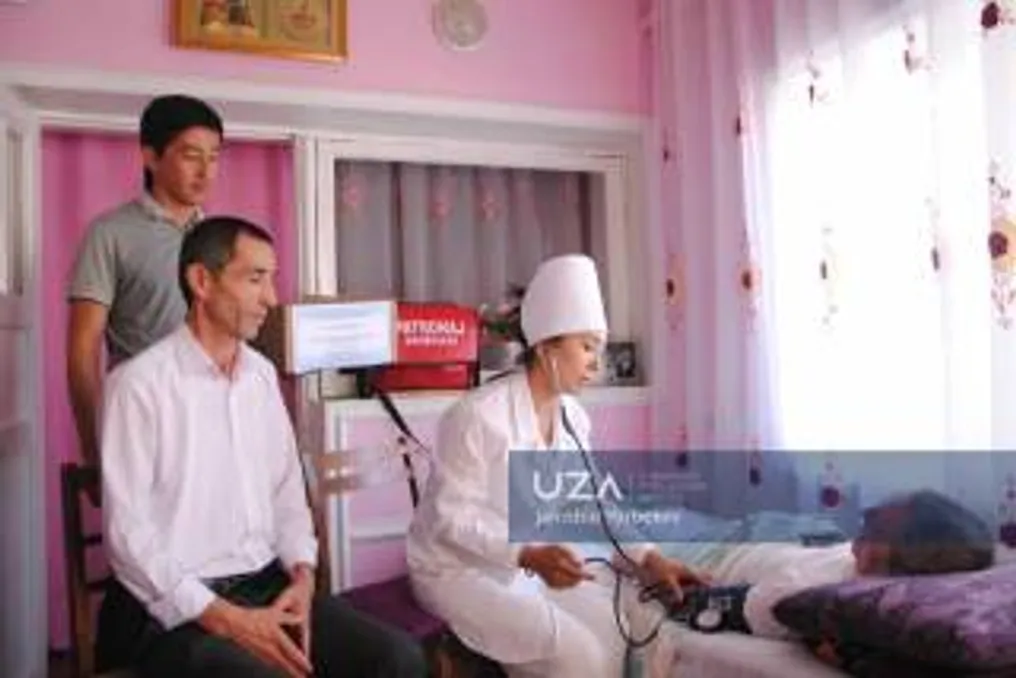
The culture of any society is determined by how it treats human dignity, spiritual perfection, and care for the weakest people suffering from serious illnesses and living their final moments. Medicine is not only about treatment but also about alleviating the suffering of terminally ill patients and ensuring them a dignified quality of life.
A Historical Step in Healthcare
The decree signed by the President of the Republic of Uzbekistan on June 24, 2026, regarding 'Additional Measures to Improve the Provision of Palliative Medical Care to the Population,' is a historical step aimed at noble and humane goals. The term palliative care originates from the Latin word 'pallium,' meaning cloak or covering, and denotes a complex of medical, social, psychological, and spiritual measures aimed at improving the quality of life for patients with incurable severe diseases and their family members.
Principles and International Experience
The main principle of palliative care is to ensure that a patient suffering from an illness receives treatment, pain relief, and the opportunity to spend their final days peacefully, surrounded by loved ones, without pain. In global experience, palliative care is an integral part of the healthcare system. In the UK, the USA, and European countries, the systematic development of hospice and mobile palliative care began in the second half of the last century. The World Health Organization recognizes palliative care as one of the fundamental human rights to health.
Changes in the Country's Care System
Until now, palliative care in the country was provided fragmentarily, in small departments at oncology hospitals or by some charitable organizations. There was no unified medico-social structure at the level of state policy. The concept of palliative care was insufficiently developed among the population; many perceived a hospice or palliative care as a place of hopelessness or abandonment of the patient. However, palliative care is not capitulation, but assistance to the patient in living out their remaining life with quality, without pain, and in conditions of human dignity. For thousands of families who do not know how to care for a loved one at home, such a service is a real salvation.
New Model and Program Implementation
The new decree aims to organize the scattered and insufficiently formed system, creating a completely new, humane, and digitized model of palliative care in the country. According to this document, starting October 1, 2026, the activity of mobile palliative teams will be launched in the republic, providing medical and social assistance at home to seriously ill patients. Initially, this system will be tested in the Mirzo Ulugbek district of Tashkent city, and then expanded nationwide, within which hospices will be gradually established in various districts. Furthermore, non-state medical institutions are now permitted to provide palliative care, and their services will be covered by the funds of the State Health Insurance Fund.
Infrastructure Development and Support
In accordance with the decision, between 2026 and 2028, a total of 200 new hospices will be built in Samarkand, Fergana, Kashkadarya, Khorezm, and Bukhara. Specifically, a Children's Hospice Center will be established in Samarkand for children suffering from severe and incurable diseases. This center will provide specialized and professional care to children both in inpatient and mobile forms. To prevent sedation and repeated examinations, the electronic information resource 'E-palliative' will be launched, which will allow for recognizing the disability of patients registered in the system without additional medical examinations. Painkillers will also be provided through a reimbursement program depending on the patient's needs. The Ministry of Social Protection will provide free vouchers for functional beds and special mattresses for bedridden patients.
Social and Spiritual Support
Considering the deep emotional distress that relatives of the seriously ill may experience, a Family Support Service will be launched near the district hospices of Tashkent city. Here, relatives will be taught care rules and provided with psychological assistance. Visits from representatives of religious circles will also be organized to provide spiritual comfort to patients and their family members.
Goals and Significance of the Reform
The decree defines stages of system development with specific indicators: by 2030, the coverage rate of the population by palliative care must reach at least 80 percent. This means that at least 8 out of every 10 sick people needing help will receive dignified medical care. This document is a clear manifestation of the high responsibility of the state and its humanitarian policy in increasing the value of every citizen fighting a serious illness and supporting their families.