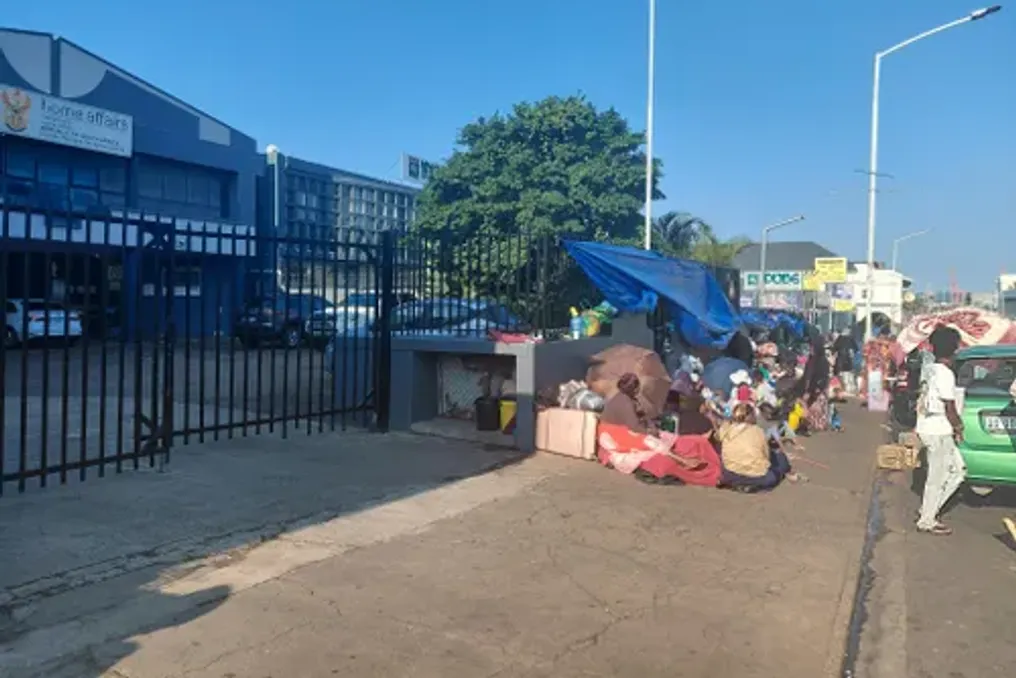
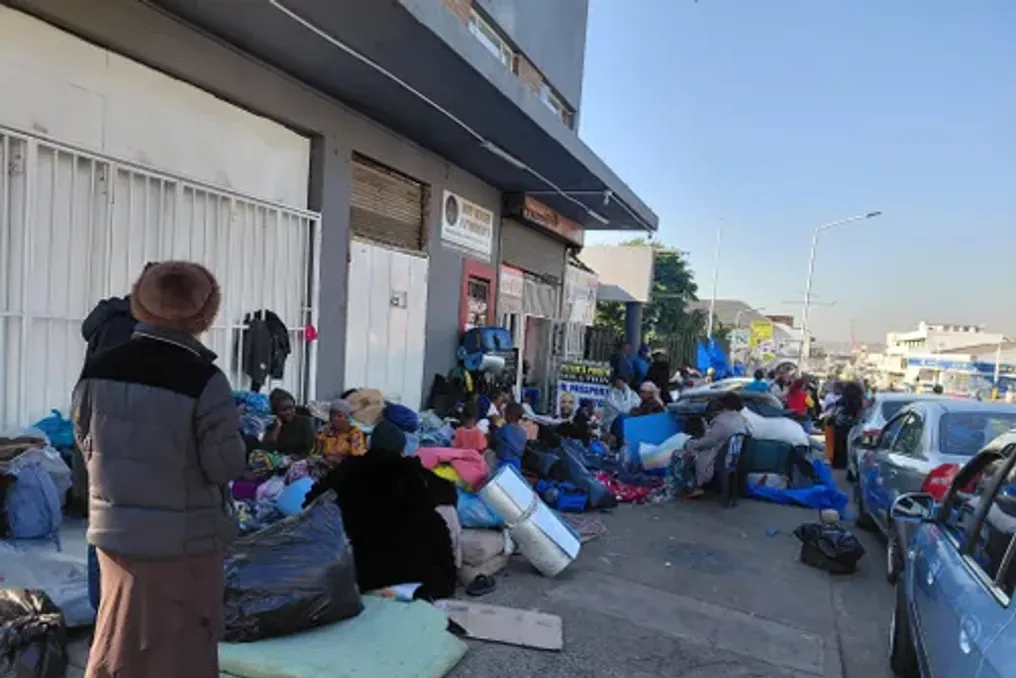
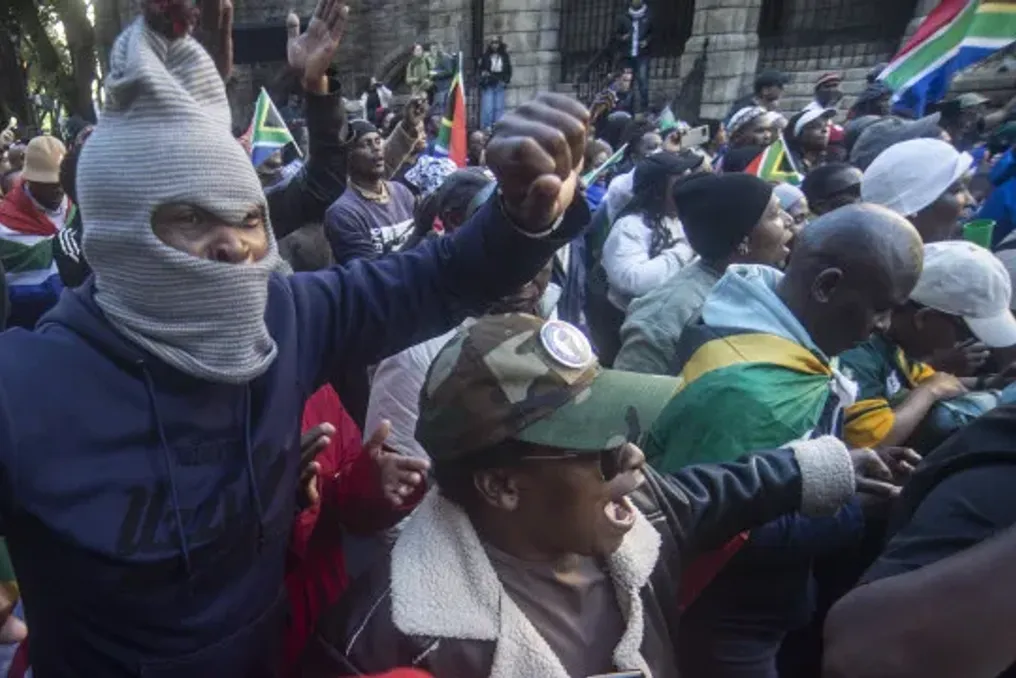
Thousands of residents took to the streets of South Africa last Tuesday as part of marches organized by anti-immigrant groups. These groups announced a deadline for undocumented citizens from other African countries. Following this event, attacks were recorded, and thousands of migrants were repatriated.
Reasons for Tensions
The main reason for these events is the accusation by anti-immigrant organizations that immigrants are responsible for many problems affecting a large part of the population. These problems include mass unemployment exceeding 32%, rising crime, drug trafficking, and overburdened healthcare systems.
Course of Protests and Government Reaction
The protests took place in several cities where a large police presence was present. Furthermore, commercial businesses remained closed on Tuesday, and public transport operated on a limited basis. At the demonstration in Durban, one of South Africa's largest cities, placards were displayed with inscriptions such as: 'Stop hiding illegal foreigners. Stop hiring and housing them.'
These unrests forced the South African authorities to announce increased measures to combat illegal immigration and warned the public against vigilantism.
Attacks and Return of Migrants
According to the Mozambican government, in the latest wave of xenophobic attacks in South Africa, at least 283 Mozambicans were attacked, their homes were burned, and property was looted. The Mozambican government is making efforts to assist and repatriate these citizens.
On Friday, the Zimbabwean government reported that over 56,000 Zimbabwean citizens residing in neighboring South Africa returned home since late May due to a wave of xenophobic violence and anti-immigrant protests in South Africa. On the same day, about 11,000 people, mainly from Malawi and Zimbabwe, were at the border town of Musina to process departure documents.
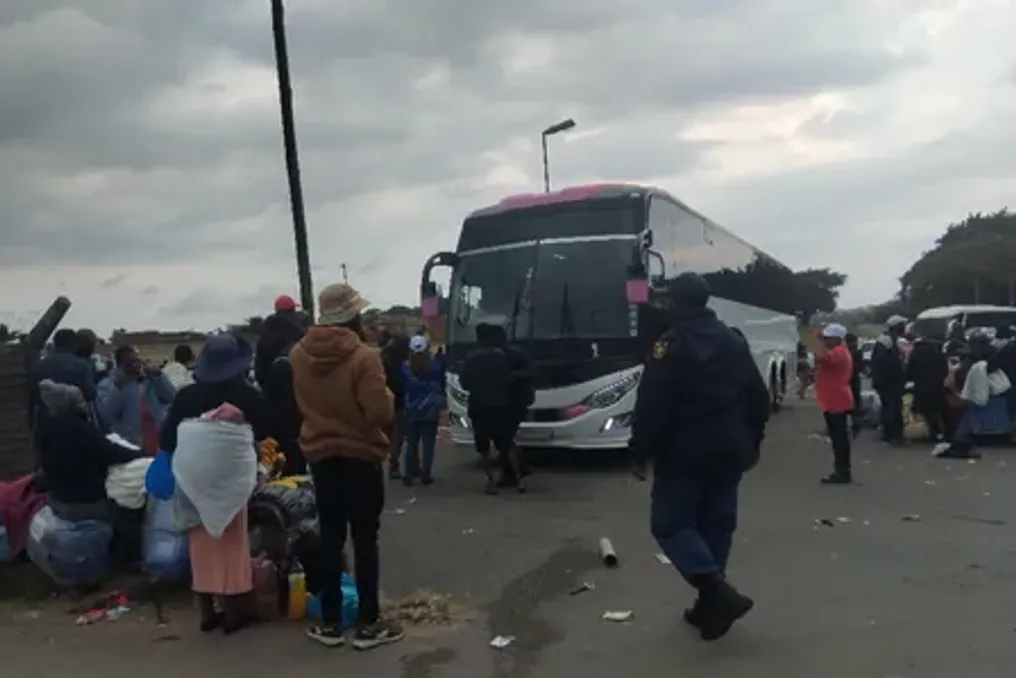
On Saturday, the Kenyan government reported the repatriation of another 60 Kenyans from South Africa out of fear of aggression, adding to the 151 people who returned on Thursday.
International Response and History of Tensions
Currently, a number of African governments, including those of Nigeria, Malawi, Ghana, Zimbabwe, and Mozambique, have organized voluntary repatriation operations, using planes and buses to transport their citizens.
Xenophobic tension is a recurring problem in South Africa. Many migrant communities have been repatriated by their own countries, such as Mozambique or Nigeria, and South Africa has faced international criticism for xenophobia. The most severe surge of xenophobia ever recorded in the country occurred in 2008, when more than 60 people died. More serious disturbances recently took place at the end of 2019, when at least 18 foreigners died.