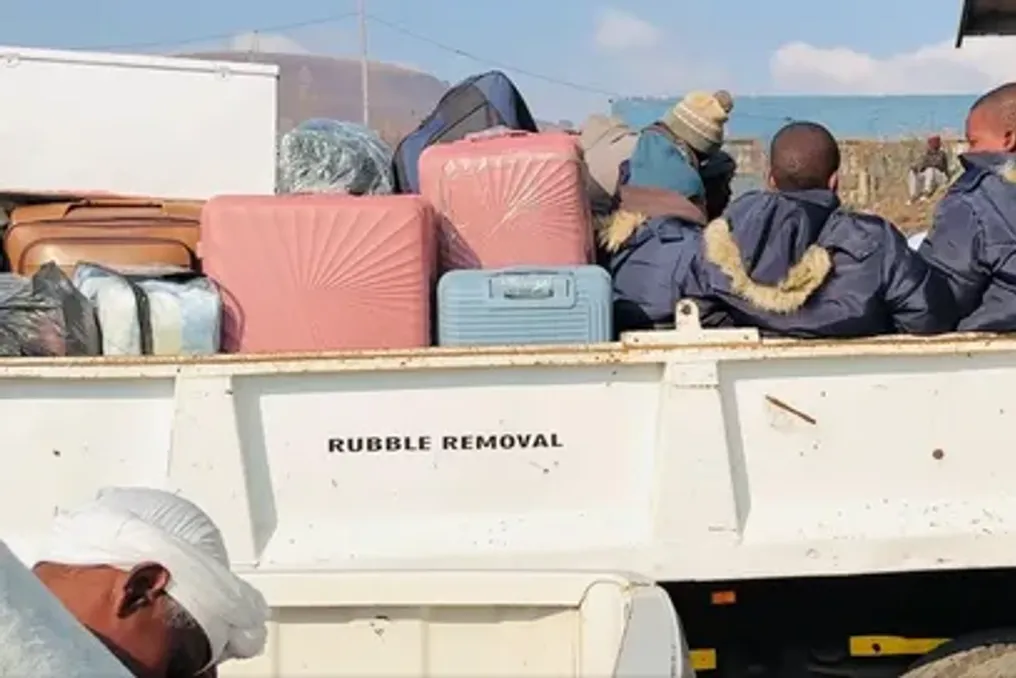
Lesotho is experiencing a sharp labor market crisis amid an influx of returning citizens, which places additional strain on the country's economy. The Lesotho government is facing growing pressure to implement innovations and diversify the economy.
Migration and Labor Market Challenges
Waves of Basotho citizens are returning home, driven by anti-immigration protests and deportations in South Africa. This influx is pushing Lesotho's fragile labor market to its limits, prompting urgent calls for bold investments and deep economic reforms aimed at reducing dependence on labor migration.
Historically, Lesotho relied on jobs in the mining and domestic work sectors in South Africa, with remittances accounting for about 23% of the country's GDP in recent years. The situation is complicated by South Africa's high unemployment rate, which is around 30%, as well as the fact that over 109,000 deportations have occurred by early 2026.
Employment Issues and Development Plans
In Lesotho itself, youth unemployment reaches approximately 39%. Job creation is constrained by limited growth in the private sector and external economic pressures. The Lesotho National Development Corporation (LNDC) plans to create 50,000 new jobs by 2031 through investments in agro-processing and manufacturing, utilizing the skills of returning workers.
These efforts align with the Expanded National Strategic Development Plan II, which emphasizes expanding the private sector, economic diversification, infrastructure development, and small business support. Despite opportunities in tourism, agriculture, digital services, and apparel, Lesotho faces serious obstacles, including insufficient budgets, infrastructure gaps, and reliance on foreign markets.
Calls to Action and Government Response
As economic growth barely exceeds 2% and nearly half the population lives in poverty, LNDC insists that only decisive steps to attract investment and create sustainable jobs can ensure a better future. In July, Lesotho MP Masetesa Mofomobe criticized the South African government's response to protests, noting the vulnerable position of South Africans residing and working in Lesotho. He also opposed recent anti-immigration demonstrations in South Africa, stating the principle of reciprocity, whereby South African citizens in Lesotho should expect similar treatment.
A South African representative, Tabiso Smith, responded to these statements, saying: 'We have no issues with Lesotho or Basotho people, but everyone entering another country must have the appropriate documentation.'