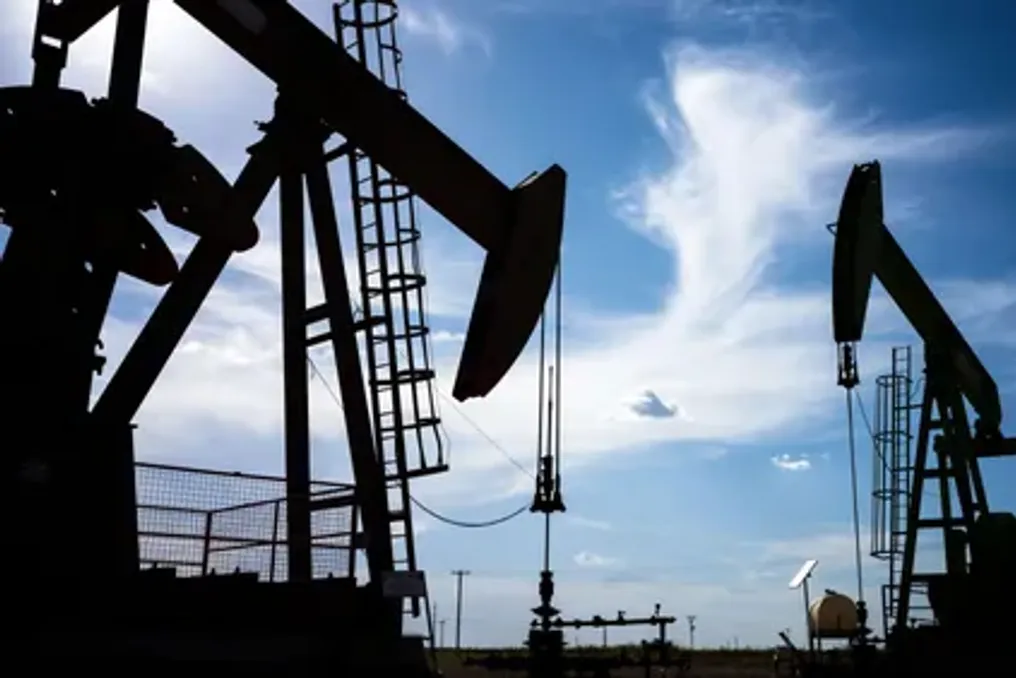
Brent crude oil prices reached $86.65 a barrel on Tuesday, the highest level in over a month. This rise was triggered by renewed military clashes between the United States and Iran, intensifying fears of supply disruptions and global inflation.
Global Market Reaction
The sharp surge in energy prices negatively impacted investor sentiment in global stock markets. Analysts warn that prolonged disruptions in one of the world's most vital shipping arteries could sustain high inflation levels and force central banks to extend the period of monetary tightening.
Bianca Botes, Managing Director at Citadel Global, noted that geopolitical events are shaping a cautious tone in financial markets. She reported that US futures continued to signal restraint on Tuesday morning, hinting at sustained volatility as traders reassess positions. Asian markets showed similar sentiments: the Korea Composite Stock Price Index plunged by 2.5%, while Japan's Nikkei fell by 1%, underscoring the interconnectedness of global financial systems.
Market Influencing Factors
Botes also pointed out that the rise in oil prices reflects growing concern over potential supply interruptions. Despite market turbulence, Chinese trade data exceeded analysts' expectations. However, investor attention shifted to local gold and mineral production figures, as well as key US inflation data, which may influence market dynamics. Economic observers await statements from central bank officials that could provide guidance on future monetary policy changes.
Furthermore, the South African rand came under pressure as investors pulled funds from riskier assets. On Tuesday afternoon, it traded at 16.45 against the US dollar, 18.75 against the euro, and 21.99 against the British pound.
Middle East Situation Analysis
Neil Wilson, Investment Strategist at Saxo UK, stated that oil markets reacted sharply following recent military actions in the Middle East and the US decision to resume the naval blockade in the Strait of Hormuz. He noted that European stock markets declined when oil prices jumped to $85 amid new military strikes by the US and Iran targeting control of the Strait of Hormuz, reigniting concerns about stagflation.
Wilson also observed a weakening of Wall Street due to increased geopolitical uncertainty and pressure on technology stocks. He explained that the Brent crude price surpassed key technical resistance levels because markets priced in greater geopolitical risk. Brent futures cleared stop-losses at the 200-day moving average level of $79 and the round resistance level of $80 to reach $85 this morning, marking the highest level in a month.
By Tuesday noon, Brent reached $86.65 a barrel, reflecting ongoing concern that instability in the Strait of Hormuz could disrupt global oil flows. Nevertheless, Wilson considers it unlikely that prices will significantly exceed $90 unless energy exports through the strait are seriously disrupted.
Inflation Risks and Economic Forecasts
Markets are increasingly worried about the consequences of rising energy prices for inflation. Wilson reported that sovereign bond yields rose sharply as investors anticipated a tougher response from central banks. He added that although the recent escalation will not be reflected in US inflation data for Tuesday, prolonged low-level conflicts and energy flow disruptions will almost certainly maintain price pressure.
Meanwhile, stronger-than-expected Chinese trade figures supported global growth expectations: exports grew by 27% year-on-year, and imports increased by 36% in June, driven by high demand for AI-related equipment and semiconductors. However, Wilson noted that China's crude oil imports fell to near ten-year lows due to weakening domestic demand, raising the question of whether lower demand in China can partially offset concerns about global oil supply.
As investors await the latest US inflation data and comments from central bankers, markets remain highly sensitive to events in the Middle East, especially any changes in shipping activity through the Strait of Hormuz, which handles approximately one-fifth of global oil trade.