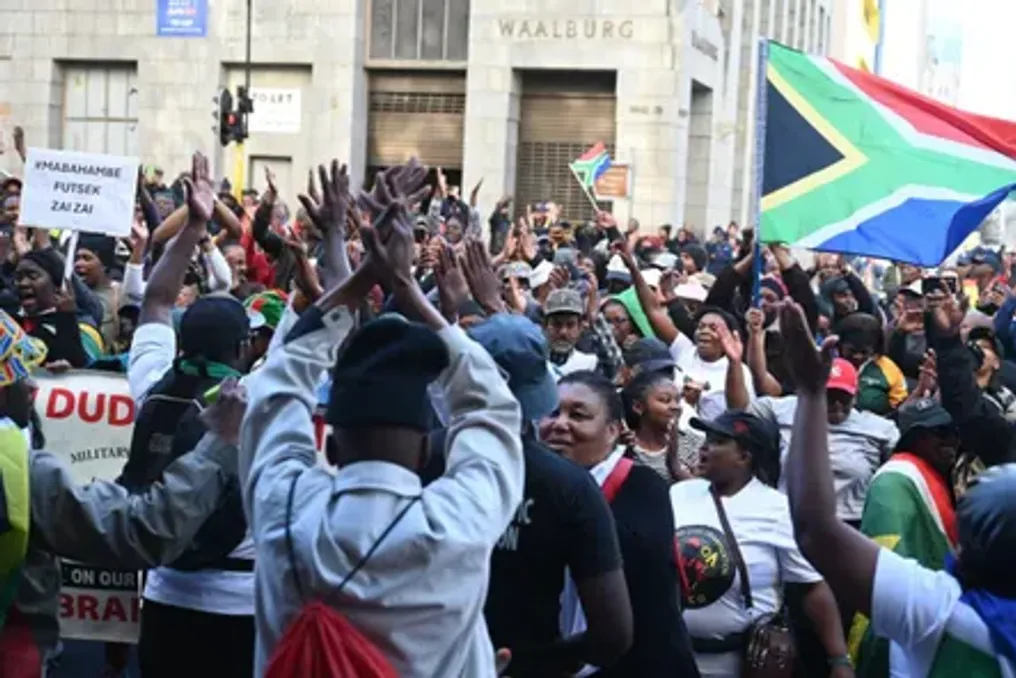
As tensions surrounding illegal immigration in KwaZulu-Natal (KZN) and across South Africa escalate, lawyer Susan Abro of Susan Abro Attorney cautions that while legislation provides clear mechanisms to combat illegal migration, private citizens are not entitled to assume the role of law enforcement officers.
The State's Role in Immigration Control
Recent civil society actions by March and March have intensified discussions on immigration, leading to the closure of many businesses, intimidation of foreigners, eviction notices issued by landlords, and demands for identification documents from people suspected of not being South African citizens. These events have fueled growing concerns about xenophobia, vigilantism, and the undermining of the rule of law.
Susan Abro emphasizes a crucial distinction: if a person is illegally in South Africa, there are established legal procedures, including detention and deportation, governed by immigration law. She asserts that the responsibility for upholding these laws rests solely with the relevant state authorities, not with private individuals.
Limitations for Citizens
Abro clarifies that immigration control falls under the jurisdiction of the Department of Home Affairs, the South African Police Service, and other authorized officials. Citizens do not have the legal right to stop people on the street, demand identification, or force them to prove their citizenship.
When individual groups or organizations begin conducting their own immigration checks, it shifts away from the principle of the rule of law towards vigilantism, which, in Abro's view, represents a dangerous path for any constitutional democracy.
Consequences of Pressure on Business
Reports from Durban are particularly alarming: some foreign-owned businesses are being forced to close due to intimidation. Furthermore, some landlords and agents are allegedly demanding that legally registered foreign tenants vacate premises or provide immigration documents within days, despite no breach of the lease agreement.
Abro insists that a landlord cannot simply evict a tenant under public pressure or fear. South African law establishes very strict legal procedures for eviction, which apply regardless of a person's nationality. Similarly, an agent cannot arbitrarily lock up tenants or impose unreasonable deadlines if there is no legal basis for doing so.
The expert notes that many small businesses owned by foreigners play a significant role in local communities, providing space to local landlords, creating jobs, offering informal credit to clients, and supplying affordable goods where large retail chains might not offer such accessibility.
Call for Systemic Changes
Abro believes that the current situation highlights broader issues within state systems. If the problem of illegal immigration exists, the government is obligated to manage borders, combat corruption, strengthen immigration control, and investigate criminal activity through proper police channels. The state cannot abdicate these duties by allowing citizens to self-regulate immigration.
She warns that permitting private groups to decide who has the right to be in South Africa creates uncertainty for everyone. Today it may be foreigners, and tomorrow it could be another vulnerable group. Once society accepts the idea that private individuals can determine who has rights and who does not, the protections guaranteed by the Constitution will begin to erode.
Abro concludes that South Africa's constitutional democracy is founded on the principle of equal protection under the law for every person, and disputes must be resolved through judicial processes, not coercion or intimidation. The Constitution does not prohibit the government from applying immigration law; rather, it requires that it be done lawfully and fairly, but it does not permit people to take the law into their own hands.
She also points out that the humanitarian consequences in certain areas of KZN should prompt reflection among South Africans, as many displaced foreigners now depend on support from religious organizations and civil society after losing housing, business, and livelihoods. In conclusion, Abro stresses that the principles of constitutional democracy and the rule of law require the government to strictly enforce immigration legislation, but they also demand that every person be treated lawfully and with dignity. By allowing intimidation and vigilantism to replace proper legal procedure, we undermine the very Constitution that protects us.