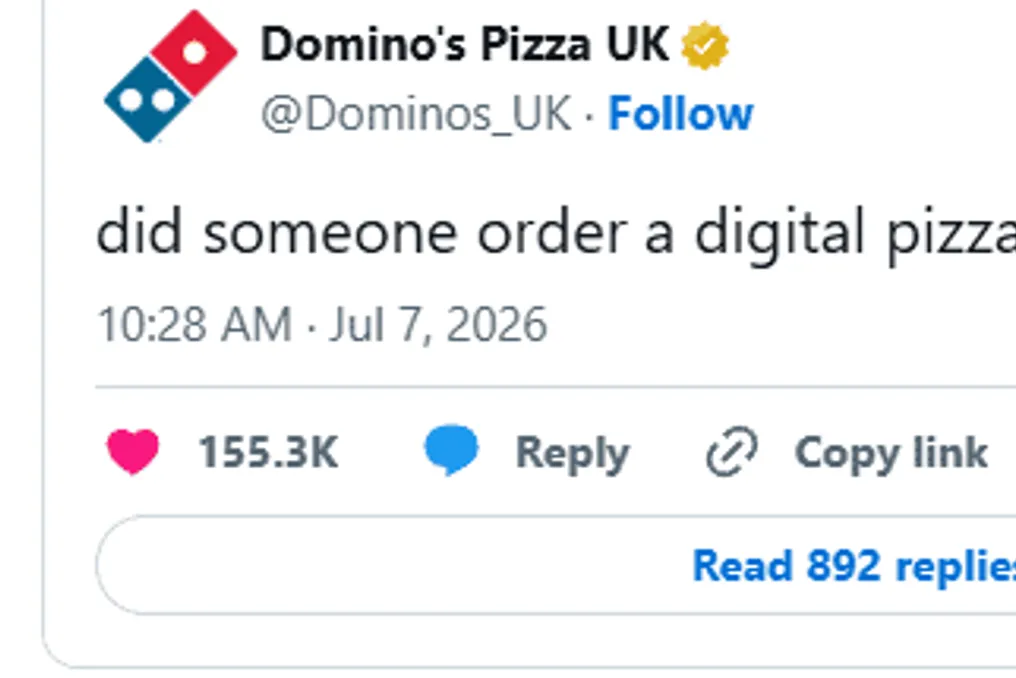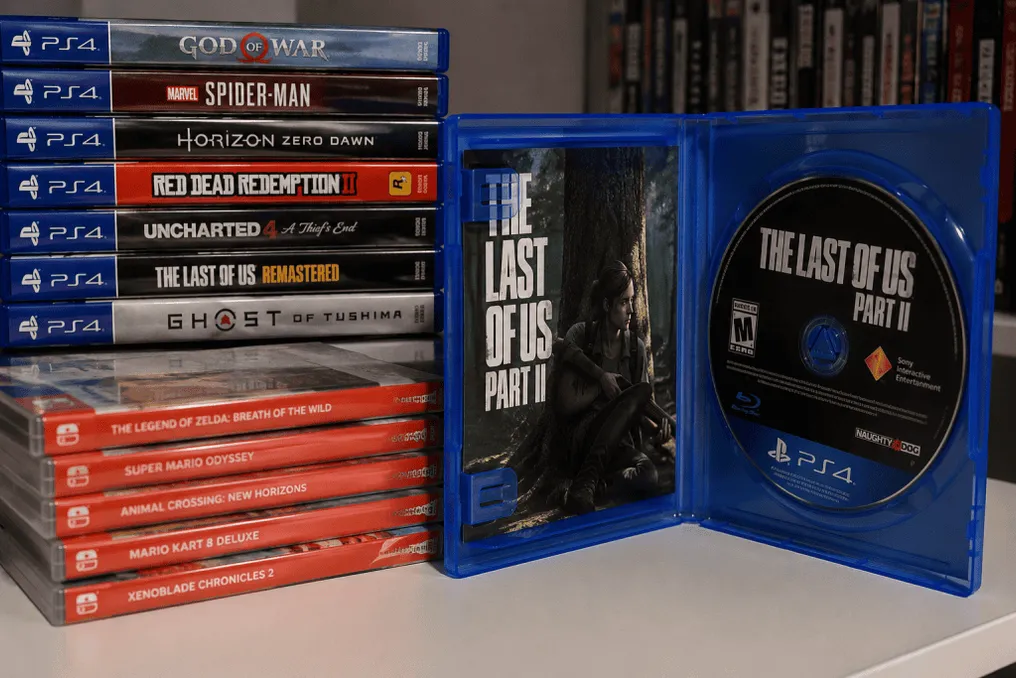
The discontinuation of disc game sales on PlayStation is scheduled for January 2028. However, this transition signals a broader shift in game consumption, questioning whether the end is limited only to the platform's physical format or encompasses all disk sales.
Game Market Trends
Competition, such as from XBOX, which announced layoffs and intensified its focus on XBOX GAME PASS, suggests that PlayStation's main rival may discreetly adopt a model based exclusively on digital games.
Sony, following a trend initiated in 2007 in the computer environment with STEAM, enters this purely digital domain twenty years after the start of this evolution. According to the author, acquiring a digital game is equivalent to buying any application on a mobile device.
Shift from Ownership to License of Use
Historically, purchasing a game implied the acquisition of a tangible asset. The disc or cartridge was the player's property, allowing for lending, resale, accumulation, or long-term storage. With the migration to digital distribution, this premise has changed. On most platforms, the consumer acquires only a license of use, tied to their account and governed by the company's terms.
This new dynamic allows the game in the digital library to be removed at any time, regardless of the reason. An example of this was seen on the PlayStation Store, where 550 films from the distributor StudioCanal were removed under the pretext of the licensing contract ending, resulting in losses for users who did not receive a refund.
Impact on Collectors and the Used Market
For collectors, the value of the game transcends the physical object; it represents a piece of video game history. By becoming merely a license, the collection ceases to take up shelf space and instead appears in a list on a server whose availability is not guaranteed to the collector.
In addition to collectors, the used game market will be negatively affected. Both the retailer, which lost revenue from reselling used products, and the consumer, who will no longer have access to desired titles at a lower cost outside of launch, will be harmed.
Cultural Preservation and Platform Dependence
Video games constitute one of the central cultural expressions of the 21st century, and their preservation is vital so that future generations can study and experience them. In a fully digital environment, this responsibility increasingly falls on publishers and platforms, which determine the period of availability for a title for purchase or download.
Unlike media such as books, music, and films, games require specific hardware maintenance to be played and suffer from the need for multiple updates across new generations. Therefore, the mere existence of a disc does not guarantee the preservation of the game, since the disc only functions as a key to the actual content, which resides in the cloud and has much more advanced versions.
Concentration of Power and Prices
While the physical medium fosters competition among various retailers, who offer their own promotions and sales, the digital market centralizes sales in stores controlled by the platforms themselves. This concentration reduces distribution channels, increasing the influence of manufacturers, developers, and owners of these stores over the prices charged.
In this single-sale model, retailers lose participation in the sales process. Control of the sales channel and fees remain exclusively with the platform, while the product's value and its discounts are defined by the developers and publishers. This ensures that a larger portion of the final value goes to those who created the game, in addition to granting total control over the minimum and maximum selling price.
International Price Adaptation
In the context of countries like Brazil, where the physical medium still offers an economic alternative, a notable difference arises. Digital stores allow for the localization of values for different nations. While a simple conversion might indicate a price, platforms like STEAM, XBOX, and SWITCH enable prices adjusted to the local reality, allowing a $50 game to cost 100 reais in Brazil. This functionality is not yet active on the PlayStation Store but is expected by 2028, following the practice of competitors.
Subscriptions Versus Product Ownership
The rise of services like PS Plus and Game Pass has transformed game consumption. Many players have begun preferring immediate access to vast catalogs over building a library based on the individual ownership of each title. However, despite the convenience of having thousands of games available, the user effectively owns none of the titles. Additionally, developers receive a minimal fraction of the game's real value, which is often calculated based on an assumed value for downloads.
In summary, the end of physical media represents more than the extinction of discs; it symbolizes the exchange of ownership for access. In 2028, even if we continue to say that we 'buy' games, the fundamental question will be: when did buying stop meaning ownership?