BYD acknowledged an administrative mistake that affected 1,265 customers in Australia, as the Chinese manufacturer supplied vehicles manufactured in 2025 to consumers who had purchased models scheduled for the 2026 production year.
BYD acknowledged an administrative mistake that affected 1,265 customers in Australia, as the Chinese manufacturer supplied vehicles manufactured in 2025 to consumers who had purchased models scheduled for the 2026 production year.
The company explained that the confusion arose from an internal registration error, where the factory departure date was mistakenly used instead of the actual production date. This incorrect information reportedly spread through customer service systems and sales documentation, despite official Australian government records showing the correct manufacturing data.
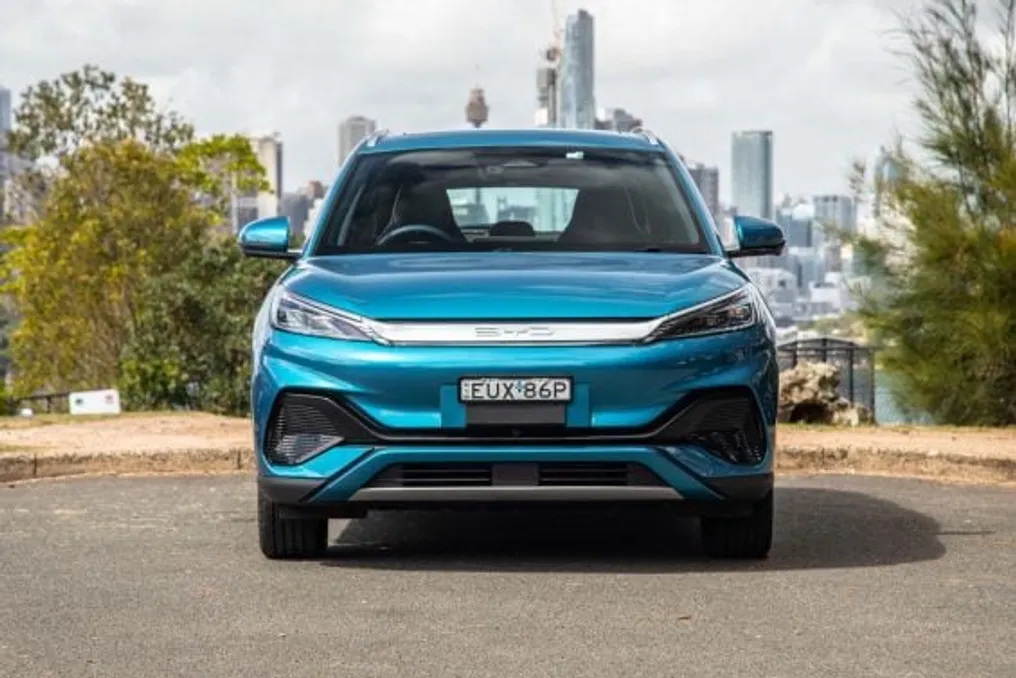
The affected models include the Atto 3 electric SUV, the Sealion, and the Shark pickup truck. BYD assures that there are no mechanical, warranty, or performance differences between the units, and that they comply with Australian regulations. However, owners are concerned about potential premature depreciation of the vehicle in the used market, given that one less year on the document could decrease resale offers.
Initially, the manufacturer offered compensation of only 1,100 Australian dollars (approximately R$ 3,920 at the time's exchange rate), an amount criticized as insufficient given the magnitude of the problem. Under pressure, BYD changed its offer, allowing customers to choose between receiving a full refund of the amount paid, trading the car for a unit genuinely manufactured in 2026 (while maintaining original promotional conditions), or keeping the received vehicle and accepting the initial compensation.
Paul Ellis, BYD's director of public relations in Australia, told the ABC broadcaster that the incident was merely an administrative error, without any intention of deceiving consumers. He also refuted the idea that the proposal revision was motivated by media coverage, stating that discussions were already underway. According to Ellis, most affected owners expressed satisfaction with keeping the vehicle and receiving the proposed payment.
This incident affects the image of BYD, a rapidly growing brand in the country. In April, May, and June 2026, BYD held the second position in sales in Australia, trailing only Toyota, and surpassing established rivals such as Ford, Kia, Mazda, and Hyundai. The company stated that it has revised its internal procedures to prevent future occurrences.
Regarding Brazil, BYD is also facing complaints about vehicle deliveries. An Autoesporte report indicated that customers, especially those with disabilities (PcD), report long waiting periods for cars already paid for, including upfront payments. In Cuiabá, driver Karyne de Freitas waited 130 days for the Song Pro GL and only received it after obtaining a judicial injunction. In Brasília, civil servant Gustavo Kaufmann reported paying about R$ 160,000 upfront for a King GS, whose delivery suffered successive delays.
Legal proceedings indicate that part of the delays is related to the factory's slowness in recognizing payments and associating the chassis, which prevents invoicing at dealerships. BYD claims to treat each case separately, denies systemic failures, and maintains that there was no specific contractual deadline for delivery. On the other hand, dealerships hold the manufacturer responsible for these blocks.
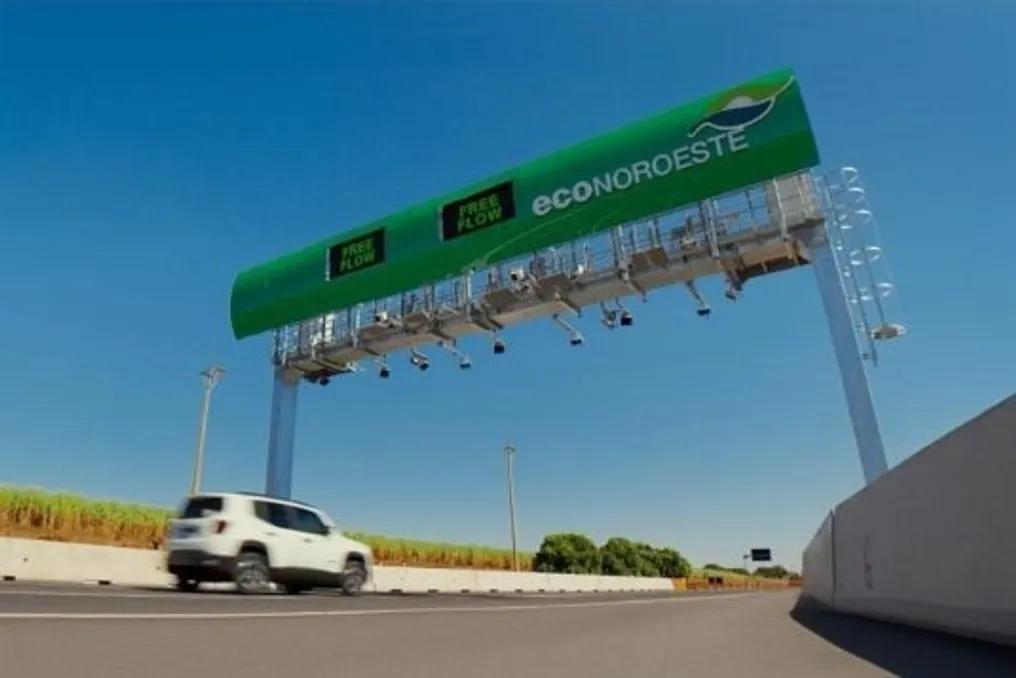
ConectCar has introduced ConectCar Free Flow Moto, which is the first solution in the Brazilian market dedicated to automating the payment of motorcycle tolls on highways operating under the Free Flow system.
This technology, which is initially being tested with a specific group of clients, eliminates the need for manual payment after passing through the toll booths and reduces the risk of motorcyclists receiving fines for non-payment.
Currently, those traveling by motorcycle on Free Flow highways without a tag must identify the concessionaire responsible for the stretch, access the payment channels, and settle the toll within a maximum period of 30 days. If this period is exceeded, the situation is classified as toll evasion, according to Article 209-A of the Brazilian Traffic Code. This serious infraction results in a fine of R$ 195.23 and the addition of five points to the driver's license.
The complexity of this procedure has caused difficulties, leading the federal government to suspend over 3 million such fines at the beginning of 2026, highlighting the need that the new tool aims to solve.
With ConectCar Free Flow Moto, the user only needs to register their motorcycle's license plate on the company's platform. Based on this registration, the system automatically identifies passage through the Free Flow stretches and charges the toll using the balance available in the ConectCar account, dispensing with any action from the driver during or after the trip.
The service will be made available in MVP (Minimum Viable Product) format, a phase focused on validation and continuous improvement of the technology. Initially, the functionality will be limited to a selected group of clients who will receive an invitation to participate.
The solution is compatible with highways that already charge tolls for motorcycles in Free Flow, covering stretches managed by concessionaires such as CCR RioSP, Caminhos da Serra Gaúcha, and EPR Sul Minas, among others. It is important to note that it does not operate at traditional toll plazas with physical barriers, nor in parking lots.
This launch accompanies the expansion of the free flow model in the country, which currently covers more than 19 highways and has increased the demand for simpler payment methods due to the absence of booths and barriers.
ConectCar reports having a presence on 100% of tolled highways and in over 1,300 parking lots nationwide. Furthermore, the company is responsible for the tag technology used by institutions such as Itaú and Porto. With this innovation, the company expands its scope beyond tag-based solutions, strengthening its position as a technology provider for urban mobility.
Thousands of Nubank users reported difficulties with the platform during the night of this Wednesday, the 15th. The greatest customer dissatisfaction is related to the functioning of Pix, which was experiencing failures.
The Downdetector website, which monitors the real-time status of various services and platforms, registered almost three thousand complaints from Nubank users regarding these issues.
Social media also recorded several complaints about the Pix issue.
Olhar Digital contacted both the Central Bank (BC) to verify if Pix was facing problems on other platforms, and Nubank itself. The bank informed that it is aware of a temporary instability and is actively working to restore services as quickly as possible. An official statement from the Central Bank is still awaited.
Xiaomi has strengthened its presence in the Brazilian market by offering devices that combine contemporary design, good performance, and ample storage capacity. For those looking for a new phone, three options from the brand have been selected, currently available on Amazon, all equipped with 8GB of RAM and 256GB of internal memory.
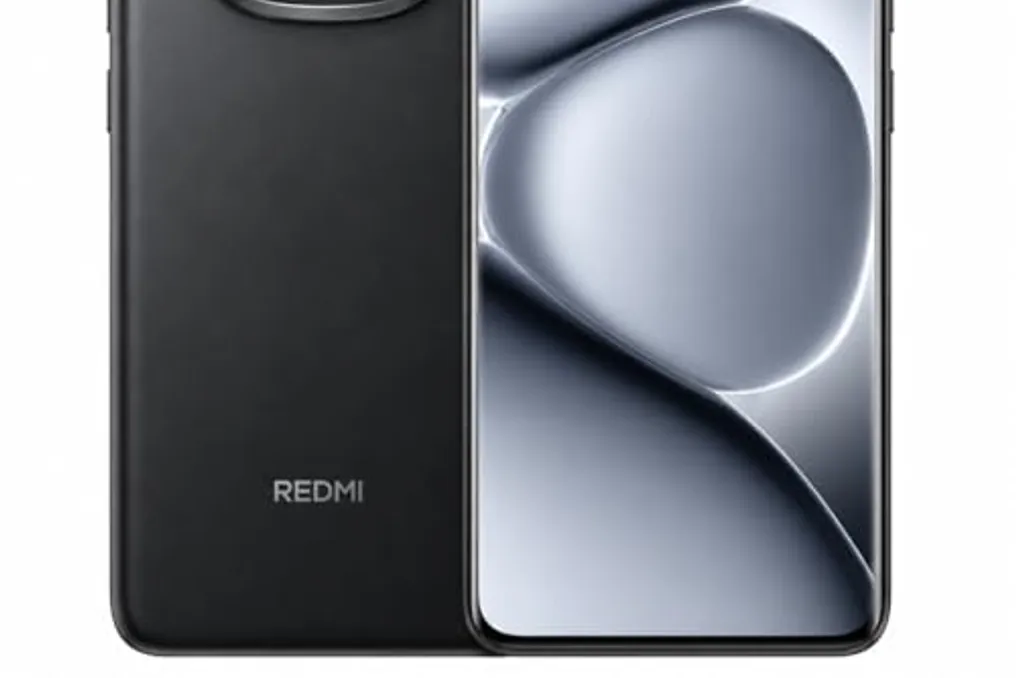
The Redmi Note 15 was launched to reinforce Xiaomi's mid-range category, maintaining the configuration of 8GB of RAM and 256GB of storage. This setup ensures smooth navigation between applications, in addition to offering plenty of space for photos and games. Its black version gives it a sober yet stylish appearance.
The Redmi 15C model in Midnight Black offers an affordable alternative without compromising the robust specifications of 8GB of RAM and 256GB of ROM, making it suitable for daily use. It is recommended for those who wish to start with the Redmi line with good performance and a discreet look.
Additionally, there is the Redmi 15C in Moonlight Blue, ideal for those who prefer a touch of color. Maintaining the same RAM and storage specifications as the other models in the line, this bluish version stands out for its vibrant finish.
It is important to note that stock in promotions like these tends to sell out quickly on Amazon. Therefore, if any of these devices spark interest, it is recommended to check availability immediately. The article also informs that it contains links generated by an affiliate program, but emphasizes that this does not change the value for the consumer.