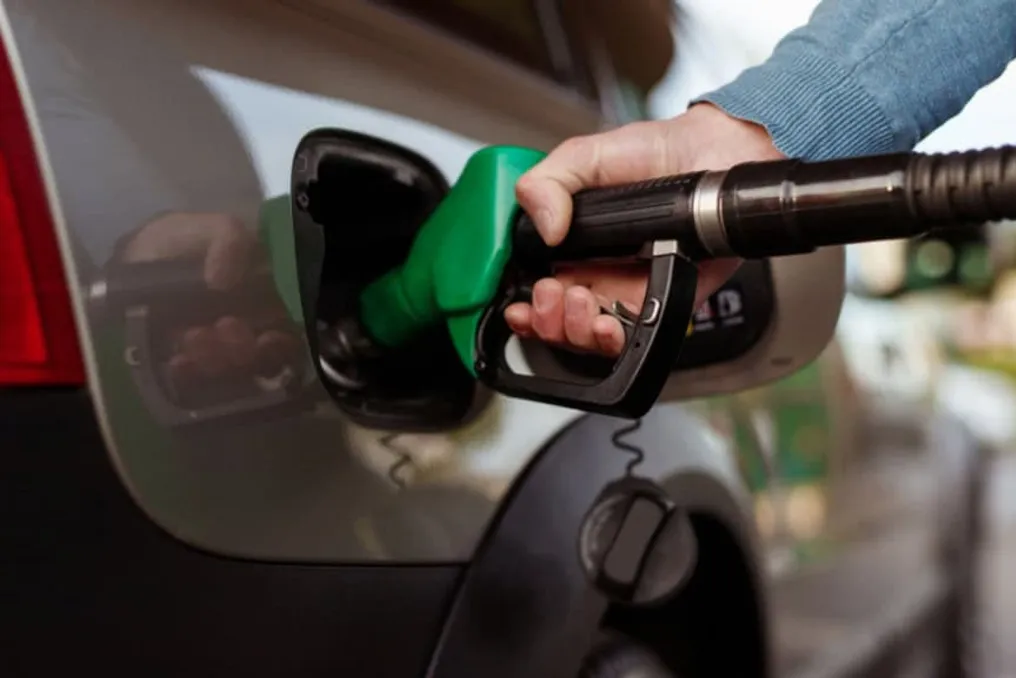
The National Council of Energy Policy (CNPE) decided to raise the percentage of anhydrous ethanol in Brazilian gasoline from 30% to 32%. This change will initially be valid for 180 days, with the possibility of extension for an equal period.
The National Council of Energy Policy (CNPE) decided to raise the percentage of anhydrous ethanol in Brazilian gasoline from 30% to 32%. This change will initially be valid for 180 days, with the possibility of extension for an equal period.
The approval occurred amid apprehension regarding the global fuel market and instability in oil supply, resulting from increased tensions between the United States and Iran. The government justifies this measure as an effort to promote the consumption of a national fuel and reduce dependence on imported products.
The alteration in fuel composition may primarily affect older cars or those that do not have specific calibration to handle higher concentrations of ethanol. Experts warn of risks such as corrosion, component wear, and potential increase in consumption. However, governmental entities and those linked to biofuels assure that tests demonstrate the technical viability of the change.
The discussion about increasing the ethanol content was already underway before the CNPE's deliberation. The official justification lies in strengthening the participation of biofuels in the Brazilian energy matrix, especially given the fluctuation of international oil prices. The situation in the Strait of Hormuz, a crucial route for the transport of oil and liquefied natural gas, has become a focus of market attention due to escalating tensions in the Middle East, which has driven the recent rise in oil prices.
Despite the arguments for energy security, the change has caused unease among representatives of the automotive sector. The National Association of Automotive Manufacturers (Anfavea) requested that such changes be preceded by more comprehensive technical evaluations before their definitive implementation. Anfavea supports the use of biofuels but emphasizes the need to confirm the compatibility of all vehicle systems with the new blend proportion.
Igor Calvet, president of Anfavea, noted in an interview with G1 that the industry's main concern is conducting rigorous tests to ensure the correct functioning of engines and fuel-related components, considering this an essential phase for consumer safety. Anfavea, together with the National Union of Automotive Parts Industries (Sindipeças), requests complementary analyses to mitigate risks.
The potential problems are linked to the materials used in the fuel delivery system. Imported or older manufactured cars may have been designed for lower levels of ethanol. Although anhydrous ethanol undergoes a dehydration process, it still absorbs moisture from the environment, which can cause corrosion in certain metal parts if there is material incompatibility. Critical components include the tank, fuel pump, float, fuel lines, injectors, seals, pistons, and combustion chamber parts.
In general terms, the most likely problems involve damage to the injection system, which can result in operational failures, increased emissions, higher fuel expenditure, and even part loss. This occurs because older vehicles were not designed to operate with this degree of ethanol, although the impact may vary depending on the engine type.
Another debated aspect is the energy yield of the fuel. Since ethanol has a lower calorific value than gasoline, a larger quantity may be required to generate the same energy. This effect can affect both flex-fuel vehicles and those fueled only with gasoline, but the driver's perception varies according to usage, maintenance, and car characteristics. The difficulty in quantifying the exact impact on consumption is due to the fact that official tests occur in controlled environments, unlike daily use, which covers various temperatures, routes, and driving styles.
The new composition also requires greater attention to maintenance items. Industry professionals mention hoses, seals, fuel pumps, injectors, sensors, and electrical components as parts susceptible to replacement in certain vehicles. Reported defects include injector clogging, pump deterioration, loss of elasticity in hoses and seals, oxidation of electrical connections, and reduced lifespan of spark plugs.
The Sugar Cane and Bioenergy Industry Union (Unica) maintains that the transition is technically viable and represents an advance in the use of Brazilian renewable sources. According to the entity, studies conducted in the Future Fuel program, carried out by the Mauá Institute of Technology in São Paulo, evaluated the performance, consumption, drivability, cold start, and operation of light vehicles and motorcycles powered only by gasoline. The results did not point to significant damage to the tested vehicles, including models without flex technology. Unica also guarantees the sector's capacity to meet the extra demand for anhydrous ethanol.
The association estimates that the increase from E30 to E32 will require about 1 billion additional liters of anhydrous ethanol annually, while projected production for the harvest can grow by approximately 4 billion liters, thanks to the expansion of corn and sugarcane ethanol. Furthermore, the measure may decrease the need to import gasoline and increase the participation of a domestically produced renewable fuel.
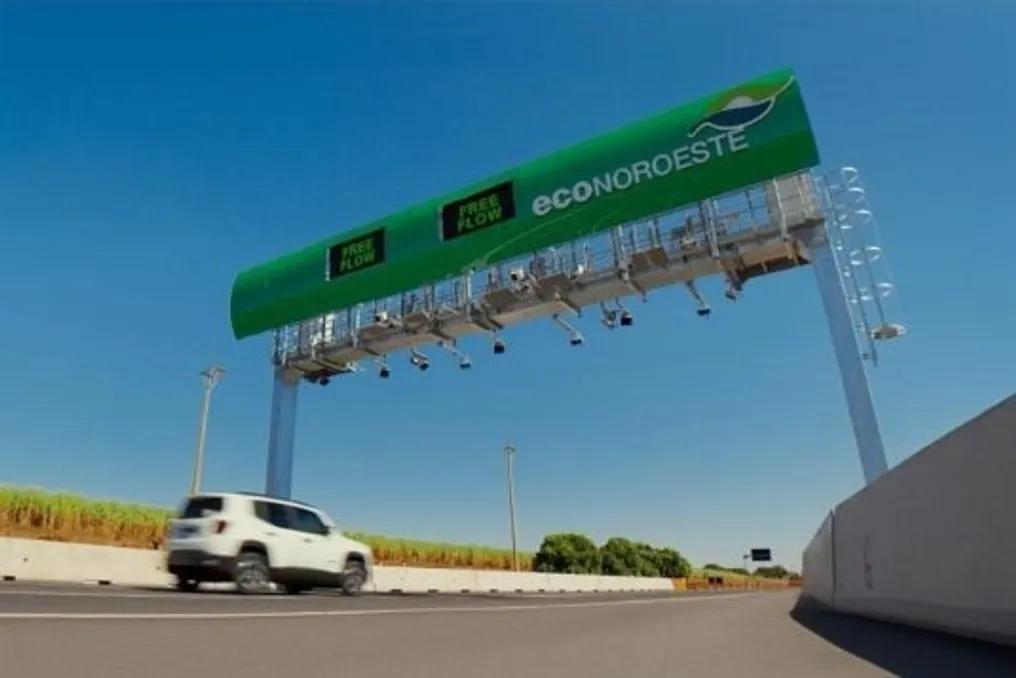
ConectCar has introduced ConectCar Free Flow Moto, which is the first solution in the Brazilian market dedicated to automating the payment of motorcycle tolls on highways operating under the Free Flow system.
This technology, which is initially being tested with a specific group of clients, eliminates the need for manual payment after passing through the toll booths and reduces the risk of motorcyclists receiving fines for non-payment.
Currently, those traveling by motorcycle on Free Flow highways without a tag must identify the concessionaire responsible for the stretch, access the payment channels, and settle the toll within a maximum period of 30 days. If this period is exceeded, the situation is classified as toll evasion, according to Article 209-A of the Brazilian Traffic Code. This serious infraction results in a fine of R$ 195.23 and the addition of five points to the driver's license.
The complexity of this procedure has caused difficulties, leading the federal government to suspend over 3 million such fines at the beginning of 2026, highlighting the need that the new tool aims to solve.
With ConectCar Free Flow Moto, the user only needs to register their motorcycle's license plate on the company's platform. Based on this registration, the system automatically identifies passage through the Free Flow stretches and charges the toll using the balance available in the ConectCar account, dispensing with any action from the driver during or after the trip.
The service will be made available in MVP (Minimum Viable Product) format, a phase focused on validation and continuous improvement of the technology. Initially, the functionality will be limited to a selected group of clients who will receive an invitation to participate.
The solution is compatible with highways that already charge tolls for motorcycles in Free Flow, covering stretches managed by concessionaires such as CCR RioSP, Caminhos da Serra Gaúcha, and EPR Sul Minas, among others. It is important to note that it does not operate at traditional toll plazas with physical barriers, nor in parking lots.
This launch accompanies the expansion of the free flow model in the country, which currently covers more than 19 highways and has increased the demand for simpler payment methods due to the absence of booths and barriers.
ConectCar reports having a presence on 100% of tolled highways and in over 1,300 parking lots nationwide. Furthermore, the company is responsible for the tag technology used by institutions such as Itaú and Porto. With this innovation, the company expands its scope beyond tag-based solutions, strengthening its position as a technology provider for urban mobility.
Thousands of Nubank users reported difficulties with the platform during the night of this Wednesday, the 15th. The greatest customer dissatisfaction is related to the functioning of Pix, which was experiencing failures.
The Downdetector website, which monitors the real-time status of various services and platforms, registered almost three thousand complaints from Nubank users regarding these issues.
Social media also recorded several complaints about the Pix issue.
Olhar Digital contacted both the Central Bank (BC) to verify if Pix was facing problems on other platforms, and Nubank itself. The bank informed that it is aware of a temporary instability and is actively working to restore services as quickly as possible. An official statement from the Central Bank is still awaited.
Xiaomi has strengthened its presence in the Brazilian market by offering devices that combine contemporary design, good performance, and ample storage capacity. For those looking for a new phone, three options from the brand have been selected, currently available on Amazon, all equipped with 8GB of RAM and 256GB of internal memory.
The Redmi Note 15 was launched to reinforce Xiaomi's mid-range category, maintaining the configuration of 8GB of RAM and 256GB of storage. This setup ensures smooth navigation between applications, in addition to offering plenty of space for photos and games. Its black version gives it a sober yet stylish appearance.
The Redmi 15C model in Midnight Black offers an affordable alternative without compromising the robust specifications of 8GB of RAM and 256GB of ROM, making it suitable for daily use. It is recommended for those who wish to start with the Redmi line with good performance and a discreet look.
Additionally, there is the Redmi 15C in Moonlight Blue, ideal for those who prefer a touch of color. Maintaining the same RAM and storage specifications as the other models in the line, this bluish version stands out for its vibrant finish.
It is important to note that stock in promotions like these tends to sell out quickly on Amazon. Therefore, if any of these devices spark interest, it is recommended to check availability immediately. The article also informs that it contains links generated by an affiliate program, but emphasizes that this does not change the value for the consumer.