Alphamin Resources Corporation, a company whose shares are listed on the JSE in Canada, announced the likely achievement of a record Earnings Before Interest, Taxes, Depreciation, and Amortization (EBITDA) of $167 million in the second quarter ending June 30. This figure is 6% higher than the previous quarter.
Mining and Sales Results
During the reporting three-month period, 5,013 tonnes of tin were produced, and 5,014 tonnes of this metal were sold. The average tin price increased by 5%, reaching $51,957 per tonne. Meanwhile, operating costs (AISC) were expected to rise by 6%, amounting to $19,043 per tonne, and net cash flow decreased by 35%, totaling $90.67 million.
Mine Operations
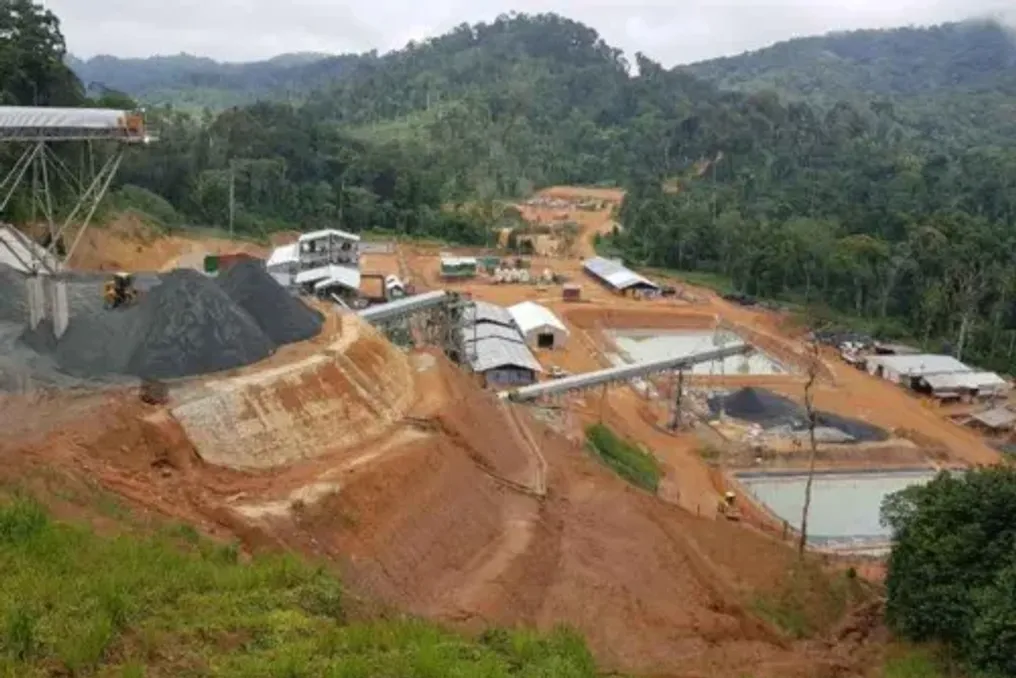
Alphamin indirectly owns 84.14% of its operating subsidiary related to this information. The Mpama North and Mpama South mines in the Democratic Republic of Congo are considered among the world's richest in tin content. The tin production of 5,013 tonnes met the planned target of 20,000 tonnes per year, set for both the current and previous periods. The sale of 5,014 tonnes resulted in a four-quarter volume of 20,000 tonnes.
Factors Affecting Performance
During processing, recovery rates decreased by 2%, falling from 74.2% in the first quarter to 72.8% in the second quarter. The increase in EBITDA compared to the last quarter is attributed to a 5% rise in the tin price. The higher projected AISC per tonne is due to a combination of factors: increased off-mine expenses, such as rising royalties, export duties, marketing commissions, and net smelter returns, which grow along with the tin price, as well as capital expenditure specifics.
Expenses and Drilling
Operating costs at the sites increased mainly due to rising fuel prices, affecting diesel and transportation expenses. Fuel stocks are at full capacity, and high prices are expected to persist in the third quarter due to ongoing orders at elevated prices. Drilling continued at the Mpama North and South mines with mixed results. In the second quarter, a total of 1,893 meters were drilled at Mpama North, with three holes completed and one abandoned due to complex geological conditions. At Mpama South, 3,653.7 meters were drilled, five holes were completed, and two more were abandoned due to difficult conditions. Drilling was aimed at expanding a certain reserve at depth, with three out of five completed holes intersecting visible cassiterite mineralization.