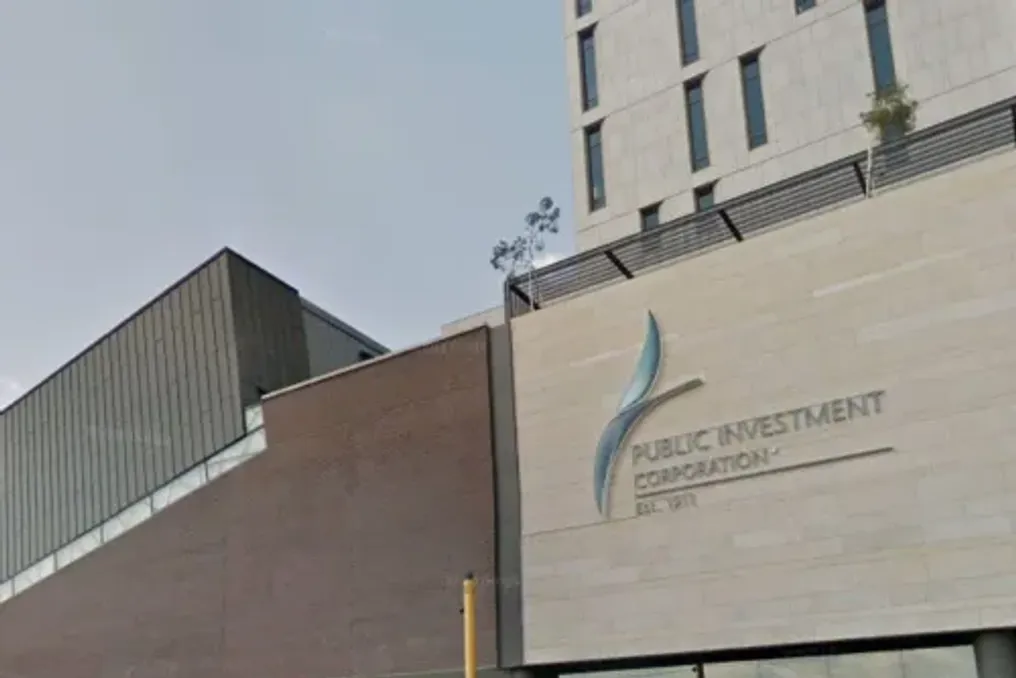
Following the suspension of the CEO and acting Chief Investment Officer of the Public Investment Corporation (PIC) amid a worsening corporate governance crisis, the Alliance Democrats has called for urgent parliamentary hearings.
Following the suspension of the CEO and acting Chief Investment Officer of the Public Investment Corporation (PIC) amid a worsening corporate governance crisis, the Alliance Democrats has called for urgent parliamentary hearings.
Trade unions, business associations, and political parties are increasingly expressing concerns regarding allegations of management failures within the state PIC, especially after its CEO was suspended on Monday evening.
Trade unions reacted diversely to the announcement that PIC CEO Patrick Dlamini had been placed under 'precautionary suspension'. Claude Naiker from the Public Service Associations (PSA) noted that this move is a significant step towards restoring trust and accountability in the management of public service pension funds.
Naiker added that the PSA has consistently raised serious questions for years about ongoing losses caused by PIC's high-risk private investments. He emphasized that billions of rands belonging to members of the Government Employees Pension Fund (GEPF) were subjected to investments that did not yield expected returns, thereby creating unnecessary risk for the retirement savings of over 1.2 million public servants.
In Naiker's view, the decision made by the PIC board demonstrates that the constant concerns of stakeholders can no longer be ignored. He stated that the principles of accountability and consequence management are fundamental to proper governance and necessary for restoring public trust in the institution. The PSA again urged the Minister of Finance to urgently review the investment mandate governing PIC's operations. While development investments remain important, they must never jeopardize the primary fiduciary duty to protect the pension assets of members.
He also noted that investment decisions must be guided by prudent risk management, transparency, sustainability, and the goal of achieving optimal long-term returns.
Professor Symphiwe Madikizela, an economist from the University of South Africa (Unisa), expressed concern over the misuse of funds, given PIC's role and mandate, as well as the volume of resources entrusted to it. He believes that any raised issue must be thoroughly examined and properly investigated using credible, court-admissible evidence, otherwise, it could negatively affect the reputation of any institution, including Lanseria International Airport.
Matthew Parks, coordinator for the Congress of South African Trade Unions (COSATU) Parliament, stated that the union would never welcome corruption allegations but values PIC's actions in addressing issues affecting millions of workers and pensioners. He stressed that they do not want a return to times of state capture when such serious issues could be swept under the rug.
Parks expressed deep concern over serious allegations of misconduct, possibly criminal in nature, concerning some PIC investments. He insists that the PIC Board must be given the necessary conditions to investigate these allegations, and those responsible must be held fully accountable under the law. He also mentioned that many recommendations of the Judge Lex Mpati Commission have been implemented, including recent amendments to the PIC Act, although some require further work.
The Alliance Democrats (DA) demanded urgent parliamentary intervention, warning that South Africans' pension savings could be jeopardized if governance problems are not resolved. The DA's finance representative, Dr. Mark Burke, stated that Parliament has failed to provide adequate oversight of one of the country's most crucial financial institutions. He pointed out that the PIC chairman and ANC Deputy Minister of Finance David Masondo face whistleblower allegations and a period marked by failed investments, alongside five executives suspended in the last two years.
Burke criticized the Parliamentary Portfolio Committee on Finance for lacking substantive oversight. He argues that in times of crisis, Parliament's constitutional duty is to hold officials accountable. He also questioned the recent Parliamentary recommendation in favour of greater investment flexibility for PIC.
Meanwhile, Parmi Natasan, CEO of the Institute of Directors in Southern Africa (IoDSA), noted that the precautionary suspension should not be seen as an admission of guilt, but it raises important governance questions. He advised the board to ensure leadership continuity, effective delegation of authority, robust risk management, and clear accountability. Natasan also stressed the importance of maintaining stakeholder trust by demonstrating objective and timely adherence to governance processes.
He added that the investigation must be conducted independently, in accordance with due legal procedure and principles of procedural fairness. The board must oversee the process but not interfere with it, ensure appropriate interim measures, and inform stakeholders transparently while adhering to legal and confidential obligations.