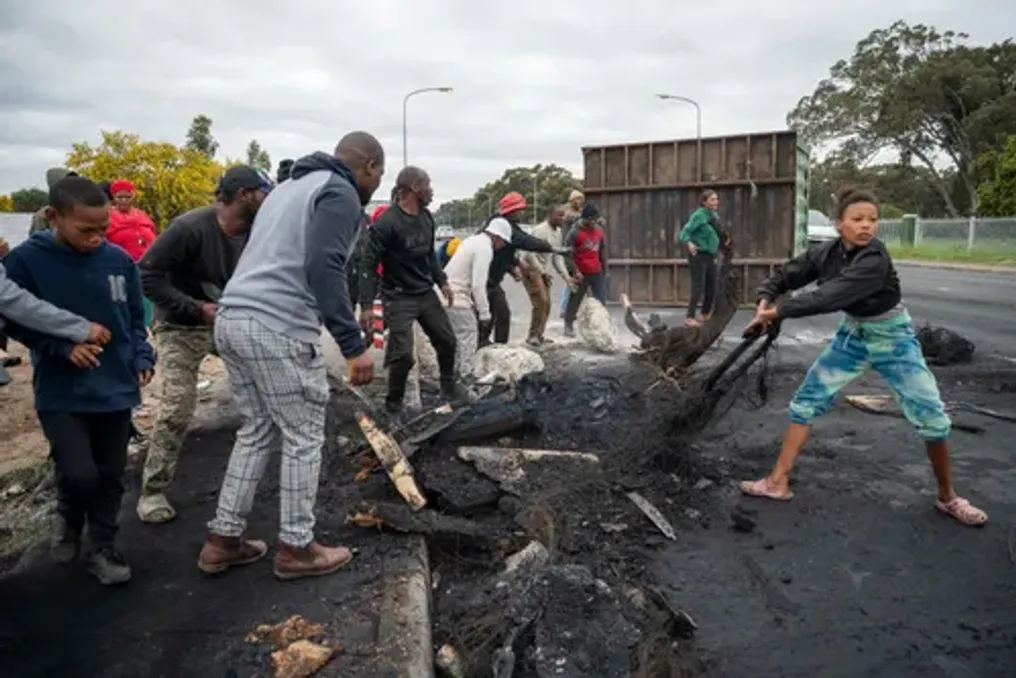
Residents of the informal settlement of Gate 7 in Cape Town are protesting due to insufficient service provision. The article emphasizes that concepts such as 'accountability' and 'consequence management' are crucial for improving the municipality's audit results.
Audit Results for 2024–2025
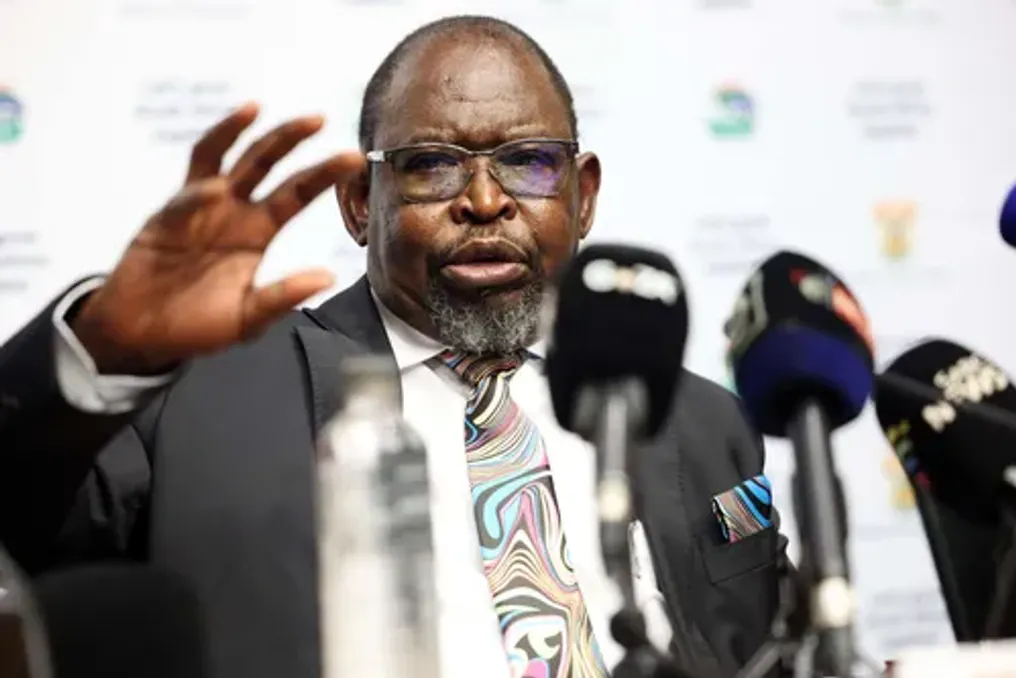
On June 24, 2026, the Auditor-General of South Africa, Tsakana Maluleke, presented a consolidated report reflecting the audit results for the 2024–2025 period as part of her constitutional duty. One of the auditor's key observations was that the sixth administration, whose term ended in May 2024, failed to achieve desired improvements in local governance. This constituted a serious accusation regarding the government's inability to take action against dishonest officials.
The auditor's report notably showed that only 39 municipalities received an unqualified audit opinion, which accounts for just 15% of all 257 municipalities in the country. This figure is lower than the 41 municipalities that received an unqualified opinion in the previous annual report.
Problems in Major Cities
The Auditor-General expressed particular concern that the 2024–25 audit results demonstrate a serious decline in metropolitan municipalities across the country. Unqualified audits in Cape Town, eThekwini, and Johannesburg were insufficient to offer hope for improvement. Issues such as lack of ethical conduct and conflict of interest have impacted the audit outcomes.
Previously, the City of Cape Town was often cited as an example of effective municipal management. President Cyril Ramaphosa sparked a lively discussion by acknowledging that the most successful and well-managed municipalities in the country are led by the DA party, naming Cape Town and Stellenbosch among them. However, according to this year's report, Cape Town also recorded a decline linked to identified problems in procurement and contract management that were handled improperly.
Lack of Progress and Promises
Even in areas where positive results were noted in the current report, the Auditor-General raised several questions. For instance, the number of municipalities with adverse opinions decreased from 29 to 8, which appears to be a positive step forward. Nevertheless, seven of these eight municipalities are repeats for some reason over three to ten consecutive years. This indicates a lack of intent to improve the situation and a lack of consequences for failing to meet mandates.
President Ramaphosa has repeatedly voiced government concern over the state of municipalities in the country and their inability to provide services to the public. He promised the nation that the government would intervene and punish those municipal officials who fail to fulfill their mandate. Specifically, he committed to holding municipal managers personally accountable for failing to provide public services.
Punishment Measures and Legislation
Examples of reasons why municipal managers might be reprimanded for failing to ensure leadership include water shortages and misuse of infrastructure funds. Ramaphosa stated that criminal cases have already been initiated against 56 municipalities to set a precedent. Municipal managers have been informed that they could face criminal prosecution or even imprisonment if they fail to perform their duties.
To strengthen this warning, Ramaphosa subsequently signed the Local Government Amendment Act: the Municipal Systems Act. This act prohibits municipal and senior managers from holding political positions in their political parties. Although such mechanisms look promising on paper, the problem in South Africa is not the enactment of laws or policies, as the country has proven its ability to do so. The main issue is the lack of implementation of these laws and policies, caused by weak monitoring and evaluation mechanisms.
Need for a Comprehensive Approach
Therefore, neither Ramaphosa's threats nor the amended legislation will automatically pull our municipalities out of the current crisis. Targeted and conscious action is required against those who contribute to municipalities receiving negative audit opinions. It is worth noting that municipal managers are not the sole culprits. Municipal councils and mayors in these municipalities bear supervisory responsibility. Failure to fulfill this mandate constitutes negligence on their part, so those responsible for oversight cannot suddenly absolve themselves and blame municipal managers as scapegoats.
In his audit report, the Auditor-General noted that these oversight structures remain ineffective, leading to poor municipal performance. The auditor regretted that control continues to deteriorate, stating that 'non-compliance often boils down to a mere procedural matter, despite the increased risk of fraud in procurement and significant financial losses arising from inadequate contract management.'
Such observations indicate that the problem is more serious than it appears. A huge amount of work is needed to change this situation. Any attempt to focus exclusively on municipal managers while leaving other stakeholders without consequences will not change the current state of our municipalities. For these municipalities to improve their audit results, all stakeholders must increase their activity, including both political leadership and municipal administrators.
Although municipal managers play an important role in the functioning of municipalities, most audit findings relate to the work of Chief Financial Officers (CFOs). If they cannot create and implement systems, the Auditor-General will continue to issue adverse audit opinions. Conversely, in cases where municipal CFOs know what needs to be done but do not receive support from their superiors, they will be unable to change the current situation. Concepts such as 'accountability' and 'consequence management' are critical for improving municipal audit results, but if these concepts exist only on paper and are not implemented, no positive change will happen miraculously, and our municipalities will continue to receive adverse audit opinions.