When it comes to South Africa's national parks, the first places that come to mind are well-known spots like Kruger National Park, Garden Route National Park, and Ella's Addo National Park. These parks have gained legendary status due to their iconic wildlife and unforgettable landscapes, attracting tourists from all over the world.
However, the SANParks network also includes other, quieter reserves. They offer visitors breathtaking views, fascinating history, and exceptional opportunities for wildlife viewing, often without crowds. Whether you are looking for endangered species, dramatic mountain landscapes, or ancient archaeological treasures, these underrated parks provide experiences comparable to South Africa's biggest attractions.
Hidden Gems of SANParks
Below are seven hidden SANParks that deserve a spot in your next trip.
Berg Zebra in the Eastern Cape
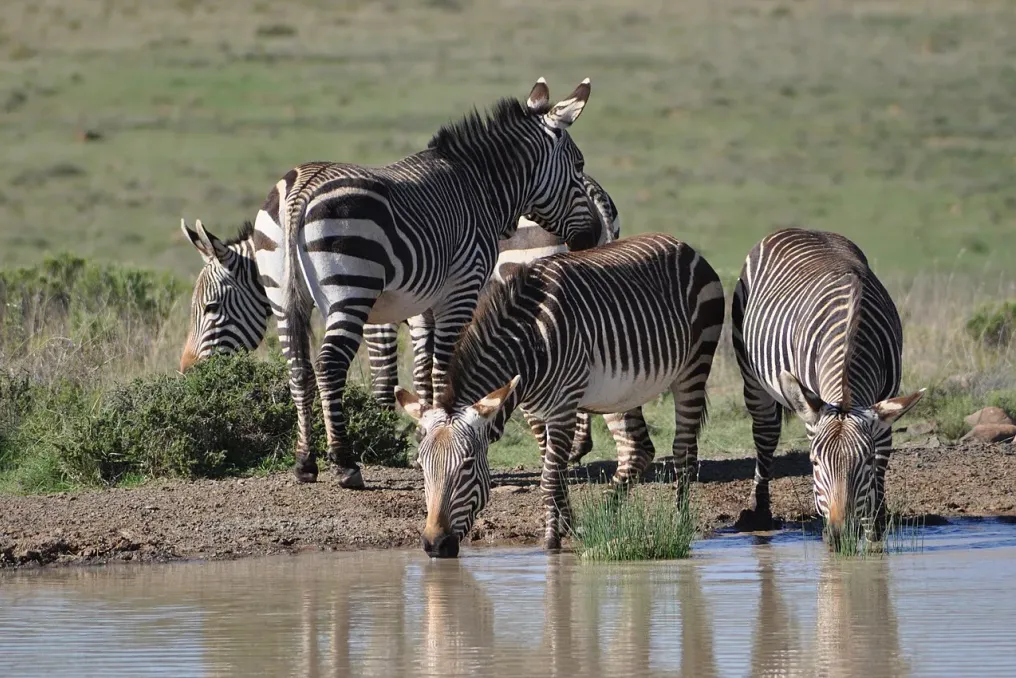
The Berg Zebra National Park, located near Kragdon in the Eastern Cape, was originally established to save one of South Africa's most vulnerable animals—the Cape mountain zebra. Thanks to decades of successful conservation efforts, the park has become one of the greatest success stories in wildlife preservation in the country.
Visitors will quickly realize that it is much more than just a sanctuary for zebras. The sprawling plains, rugged mountains, and winding passes create a dramatic backdrop for safaris, and the park's relatively small size makes wildlife viewing surprisingly valuable. Besides Cape mountain zebras, visitors can see cheetahs, buffalo, black rhinos, eland, red hartebeest, and springbok. Lions have also been reintroduced, adding another exciting element to the park's growing wildlife population. Bird lovers can spot the impressive blue crane, South Africa's national bird. The best time to visit is March–May and September–November, when the temperature is mild and wildlife viewing is excellent.
Mokala National Park in the Northern Cape
South Africa's newest national park remains one of the least visited. Located south of Kimberley, Mokala National Park offers a tranquil, conservation-focused safari experience rather than a crowded one. The park protects several endangered antelope species and serves as an important breeding ground for rare animals. Open grasslands, rocky hills, and riverine habitats provide a constantly changing landscape that feels entirely different from many traditional safari destinations.
Animals to be encountered include sable antelope, roan, tsessebe, buffalo, white and black rhinos, giraffes, kudu, and numerous small mammals. Predators such as black jackals and caracals also inhabit the reserve, and bird lovers can enjoy over 300 recorded species. Winter, from May to August, is optimal for visiting, with comfortable temperatures and excellent visibility for wildlife viewing.
Bontbok National Park in the Western Cape
Near Swellendam lies South Africa's smallest national park, but what it lacks in size is compensated by its biodiversity. Bontbok National Park was created to protect the endangered bontbok, an antelope that was once on the brink of extinction. Today, it serves as a safe haven for these graceful animals while preserving one of the richest examples of Cape Floral Region vegetation.
The Breede River flows through the park, offering opportunities for canoeing, swimming, and picnics alongside traditional wildlife viewing. Visitors can see bontboks, Cape mountain zebras, red hartebeest, grey rhebok, bushbuck, and small mammals. Birdlife is particularly rich: kingfishers, eagles, malachite sunbirds, and secretary birds are regularly seen. The best time to visit is August–October, when colorful wildflowers bloom and pleasant spring weather prevails.
Marakele National Park in Limpopo
Located within the Waterberg Biosphere Reserve, Marakele National Park combines magnificent mountain scenery with classic 'Big Five' viewing. Its name means 'place of refuge,' which perfectly describes the park where landscapes transition from dry bushveld to lush mountainous environments. Panoramic views open up after ascending steep mountain passes during scenic drives through the park.
Marakele is home to the 'Big Five,' including elephants, lions, leopards, rhinos, and buffalo. The park is also known for hosting one of the world's largest colonies of Lappet-faced vultures, often seen soaring over the cliffs. Other animals include brown hyenas, kudu, giraffes, and various antelope species. May to September offers cooler weather and improved wildlife viewing near water sources.
Golden Gate Highlands National Park in Free State
Unlike many South African national parks, Golden Gate Highlands National Park is renowned more for its landscapes than for large mammals. The towering sandstone cliffs glow brilliant golden hues at sunrise and sunset, giving the park its memorable name.
It is one of the best places for hiking in South Africa, with trails running through valleys, grasslands, and dramatic rock formations. Horse riding, mountain biking, and photography are equally enjoyable ways to explore the landscape. Among the animals found are the black wildebeest, eland, blombos, Blesbok, springbok, and mountain redbuck. Birdwatchers can look for the endangered Bearded Vulture and White Ibis, both of which inhabit the surrounding mountains. September to April offers lush landscapes, colorful wildflowers, and comfortable conditions for hiking.
Mapungubwe National Park in Limpopo
Nowhere in South Africa is natural beauty as harmoniously combined with human history as in Mapungubwe National Park. Situated at the junction of South Africa, Botswana, and Zimbabwe, this UNESCO World Heritage site preserves the remains of the ancient Kingdom of Mapungubwe, one of Southern Africa's earliest complex civilizations.
The landscape is dotted with ancient baobab trees, and sandstone formations rise above vast river valleys. Heritage tours reveal archaeological finds that have changed our understanding of pre-colonial Southern African history. The park also offers pleasant encounters with wildlife. This area is home to elephants, leopards, spotted hyenas, giraffes, eland, kudu, zebras, and numerous antelope species. Birds here include African fish eagles, Pallas's owls, and colorful tanagers.
The best time to visit is May–August, when cooler weather makes both wildlife viewing and heritage walks more pleasant.
Special Mention: Tankwa Karoo
Although its remote location means fewer visitors, Tankwa Karoo National Park provides one of the most unique wildlife experiences in South Africa. Located in one of the country's driest regions, the park features vast open plains, rugged mountains, and spectacular night skies with virtually no light pollution. Solitude is one of Tankwa's main attractions.
The wildlife here is more reserved than in traditional safari locations, but no less valuable. Visitors can encounter gemsbok, springbok, red hartebeest, Cape foxes, ring-tailed foxes, aardvarks, and numerous reptiles. In spring, seasonal wildflowers transform parts of the landscape into a colorful spectacle. It is best visited in August and September for the spring flowers, or in autumn and winter for cooler weather and comfortable exploration.
Discovering South Africa Beyond Famous Parks
The lesser-known national parks of South Africa prove that unforgettable adventures are not limited to the country's busiest reserves. From the endangered mountain zebras in the Eastern Cape and ancient kingdoms in Limpopo to the golden sandstone cliffs in the Free State and the endless silence of Tankwa Karoo—each park offers its own unique story.
Traveling beyond the famous names also supports nature conservation across the entire SANParks network, while rewarding visitors with quieter roads, intimate wildlife encounters, and landscapes that often feel wonderfully untouched. Sometimes the brightest safari memories are made in parks that rarely make the bucket list.