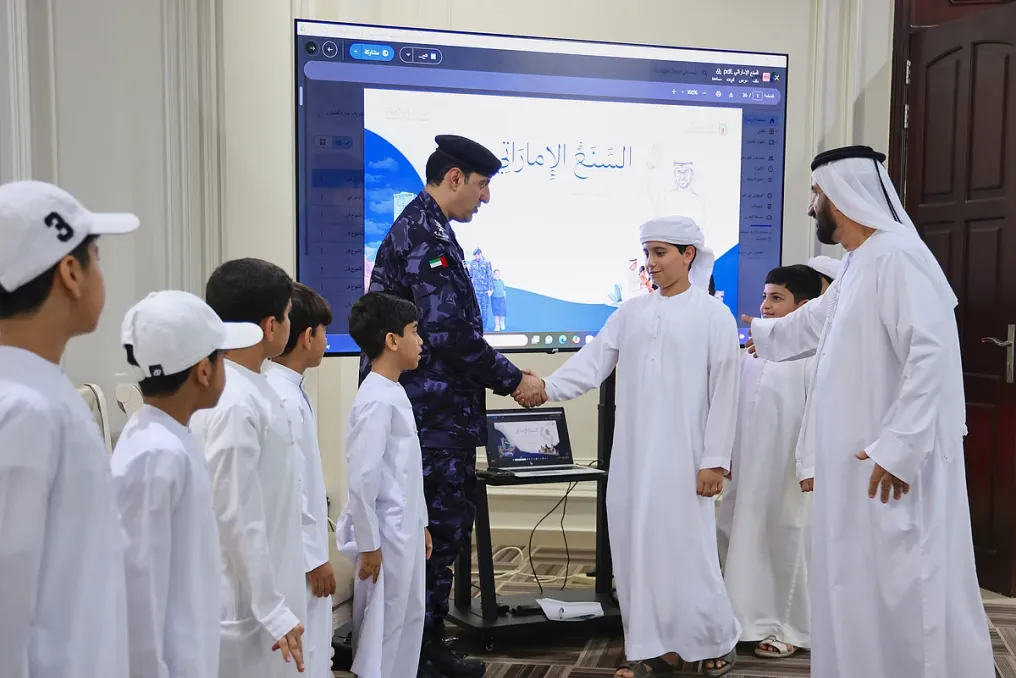
The first 'Al Sanaa Al Saifi' program (which translates to Summer Etiquette) in Ras Al Khaimah attracted over 1050 children, exceeding the initial target by more than 250 participants. This increase in family interest reflects a desire to preserve the traditions and values of the Emirates among the younger generation.
Goals and Implementation of the Program
Launched this summer in 13 centers across the emirate, the initiative aims to strengthen national identity. It introduces children aged 7 to 12 to the authentic customs, social etiquette, and values of the Emirates passed down through generations.
Ahmed Mohammed Hasel Al Harthi, coordinator of the 'Al Sanaa Al Saifi' summer camp program, told Khaleej Times that the main objective of the program is to ensure the sustainability of national identity, reinforce humanitarian and societal values, and solidify the genuine customs, traditions, and behaviors that distinguish Emirati society.
Practical Approach to Learning
Organizers moved away from purely theoretical teaching, structuring the program around practical activities. Children have the opportunity to apply traditional etiquette in realistic settings. As Al Harthi noted, they are given empty coffee pots so they can practice independently. In this way, they learn how to greet guests, inquire about their well-being, properly serve Arabic coffee, and interact respectfully with visitors, which helps them better absorb and remember the material.
Children are divided into teams named after key Emirati values such as generosity, community solidarity, and helping others. They earn points by demonstrating the learned etiquette, which maintains participant engagement through friendly competition.
Content and Partnership
Each lesson begins with theoretical concepts that the children immediately apply in practice. The following day involves reviewing the previous material to reinforce skills. The educational content was developed by certified trainers in collaboration with senior representatives of the Emirates known for their knowledge of the country's heritage and traditional etiquette, ensuring the curriculum aligns with authentic Emirati customs.
To enrich the experience, the program collaborates with local heritage organizations and community elders who share personal stories about traditional life in the Emirates. Two of the 13 centers host public associations representing the Al Shekhhi and Al Habous tribes, where elders recount how the Emirates traditionally supported each other during weddings, funerals, and other community events.
Future and Results of the Program
Al Harthi added that the first version focused on building a strong educational foundation in the centers. Based on feedback from parents and participants, future batches are planned to be expanded to include visits to historical sites, traditional meeting places, and other cultural landmarks where children can experience these values firsthand.
For family convenience, each center serves children from its neighborhood, allowing parents to enroll children at the nearest location. Organizers track the program's impact through weekly assessments and surveys conducted with children and parents after the month-long camp concludes. These evaluations measure the students' understanding and application of the taught values, while parents report on observed changes in behavior at home.
According to Al Harthi, one of the first positive changes was a noticeable increase in children's confidence. He noted that at the beginning, about 80 percent of the children were too shy to speak in front of classmates or introduce themselves. However, by the end of the first week, a significant difference was observed: they became much more confident speaking in public, which is an early sign of the program's positive impact.
Currently, the first batch is open only to boys, although organizers stated they will consider parental feedback before deciding whether to expand future batches to include girls. Plans also include expanding the program to teenagers aged 13 to 17, as adolescence is considered a critical stage for strengthening Emirati identity and values, helping youth navigate external influences.
Among the values taught in the camp are tolerance, equality, justice, respect for elders and younger members of society, generosity, teamwork, and the spirit of faaza, the Emirati tradition of helping those in need. Al Harthi emphasized that they also teach working together during public events, whether celebrations or difficult times, as these values are part of their identity, and they want the next generation to practice them naturally in daily life.
}, 2. {