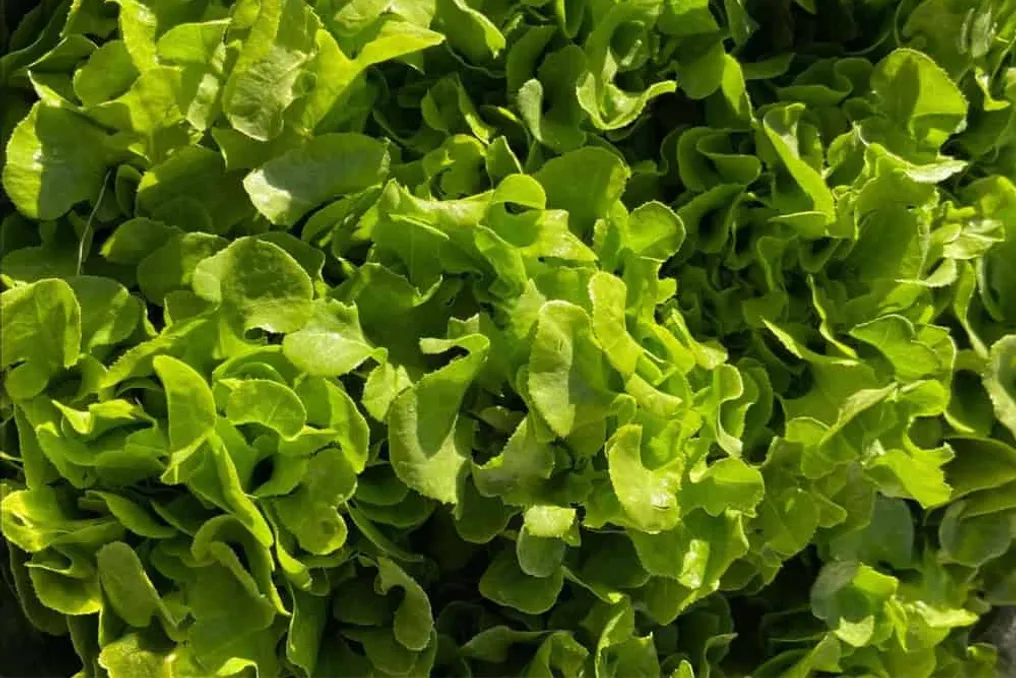
A cysticercosis outbreak has affected more than 2,800 individuals in the United States, concentrating mainly in the states of Michigan and Ohio. Health authorities are mobilized to determine the origin of this contamination, and the investigation points to raw green leaves, such as lettuce, as the main suspect.
Popular
Details of the Sanitary Investigation
The initial findings were communicated on Monday, the 13th, by the Michigan Department of Health. However, this department emphasized that there is still no confirmation about which product, producer, or supplier is linked to the cases, keeping the investigation active.
The disease is caused by the protozoan *Cyclospora cayetanensis* and manifests most frequently as intense watery diarrhea, popularly known as 'explosive diarrhea'. If not treated properly, this condition can persist for several weeks. Despite the high volume of infections and hospitalizations recorded, there have been no reports of deaths.
Obstacles in Locating the Source
The Michigan Department of Health indicated that vegetables used in salads are among the food items under scrutiny, although experts have not ruled out other sources. To date, authorities have not been able to establish a direct link between the outbreak and a specific vegetable, nor identify the distribution network of the contaminated food.
Data from American health agencies show that the U.S. Centers for Disease Control and Prevention (CDC) officially confirmed at least 843 cases, while about 1,500 cases are still under analysis in 31 states. State surveys total more than 2,800 occurrences, with 2,640 registered in Michigan and 177 in Ohio. At least 86 patients required hospitalization.
This event is already classified as the largest documented cysticercosis outbreak in Michigan and ranks among the largest recorded in the country in recent years.
Characteristics of Cysticercosis
Cysticercosis is caused by the protozoan *Cyclospora cayetanensis*, which infects the intestinal tract after ingesting contaminated water or food. Common symptoms include severe diarrhea, cramps, nausea, fatigue, loss of appetite, weight loss, and general malaise. The most effective method to eliminate the parasite from food is boiling; soaking in chlorinated or sanitary water is not sufficient.
According to the CDC, the illness generally responds to antibiotic treatment and rarely leads to death. However, without intervention, symptoms can present phases of improvement and worsening over weeks or months.
Scientific Challenges of the Investigation
Identifying the source of outbreaks caused by this parasite is notoriously complex. A complicating factor is the period between infection and the onset of symptoms, which can reach approximately two weeks, making it difficult for patients to accurately recall the food they consumed.
Another challenge is that the parasite cannot be cultured in the laboratory, limiting the options for analyzing suspicious food. Additionally, ingredients such as fresh herbs and leaves often make up mixed meals, making it difficult to pinpoint which specific item caused the infection.
Authorities also warn that a single contaminated batch can be distributed simultaneously to supermarkets, restaurants, and other locations, increasing the spread of cases in various regions. For this reason, some investigations take months, and in some cases, the source of contamination is never identified.
Historical Context and Guidelines
Although less common than infections by *Salmonella* or *Escherichia coli* (*E. coli*), cysticercosis has shown an increase in the United States over the last decade. Experts cited by the Associated Press attribute this growth both to improved diagnostic methods and climate change.
In past records, outbreaks have been linked to the consumption of fruits such as raspberries, basil, cilantro, ready-made salads, and other vegetables. In 2019, more than 2,400 people fell ill after consuming basil imported from Mexico. In 1997, an episode affected more than a thousand people in the United States and Canada, related to raspberries produced in Guatemala.
While the investigation continues, authorities advise consumers and food handling establishments to thoroughly sanitize green leaves, snap peas, fresh herbs, and raspberries. It is also recommended to buy whole heads of lettuce, discard the outer leaves, and carefully wash the remaining ones before consumption.
Health agencies clarify that sanitation reduces the risk of contamination but does not eliminate it entirely, as the parasite can remain adhered to the surface of the food. Individuals who experience persistent diarrhea for several days should seek medical assistance for evaluation and treatment.